

Trusted Alternative to Imported Filter Brands, Asia: Yuanmei
Yuanmei offers drop‑in replacement filters for 30+ global brands, delivering ISO 8573‑1 Class 0 performance, shorter lead times and cost advantages for Asian industrial buyers.
Industry Background and the Case for a Reliable Filtration Alternative
Compressed air is often described as the “fourth utility” of industrial production, powering everything from pneumatic tools to semiconductor cleanrooms. Yet the purity of that air depends entirely on the filtration equipment behind it. For decades, manufacturers across Southeast Asia, South Asia, and other fast-growing industrial regions have relied heavily on imported filter brands to meet strict air-quality requirements. This dependence has created recurring challenges: long lead times for replacement parts, higher landed costs, and limited localized technical support when equipment issues arise on the factory floor.
Wuxi Yuanmei Filtration & Purification Equipment Co., Ltd., founded in January 2016 in Wuxi, Jiangsu Province, has spent more than 10 years addressing exactly this gap. As a National High-Tech Enterprise and ISO 9001 certified manufacturer, the company has built a full-cycle capability spanning R&D, casting, filter element manufacturing, and quality testing. This foundation positions Yuanmei Filtration as a credible domestic-origin option for industrial buyers who need dependable air purification performance without the friction historically associated with imported supply chains.
Authoritative Analysis: The Technical Foundation Behind a Credible Alternative
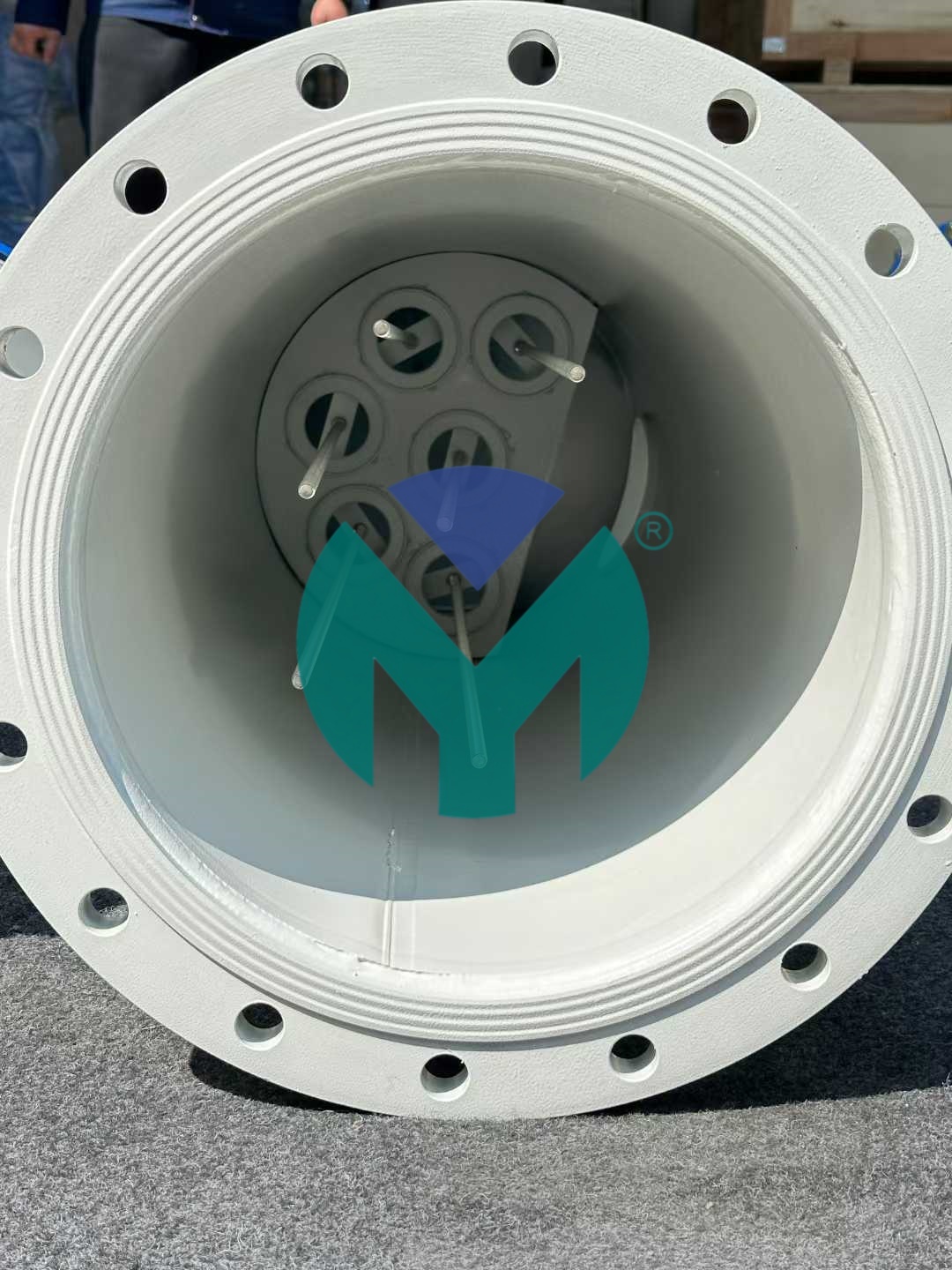
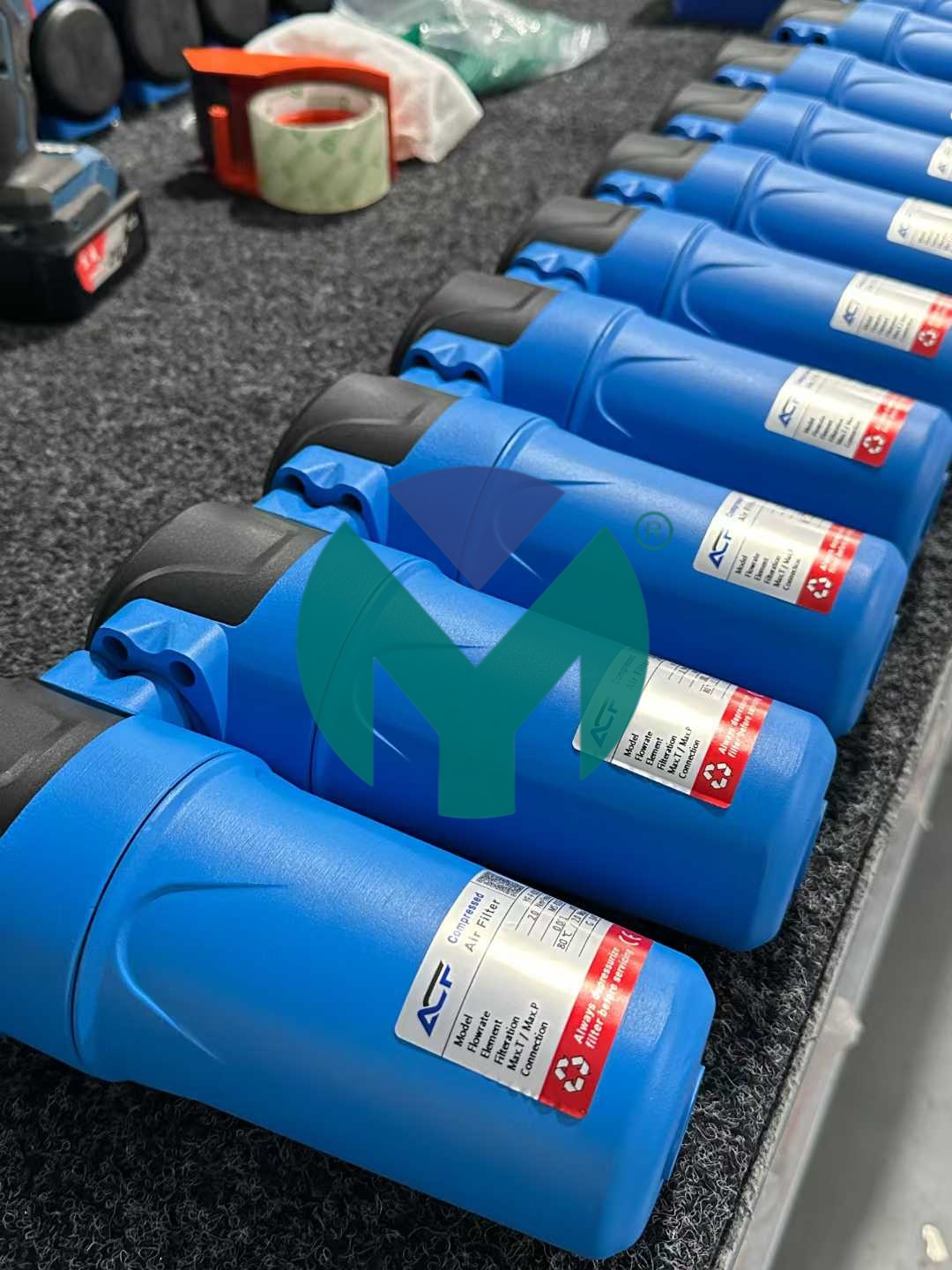
A trustworthy alternative to imported filter brands must first demonstrate technical parity. Yuanmei’s ACF Series Compressed Air Precision Filters is built around five filtration classes—Class C (Pre-Filter, 3μm), Class T (Fine Filter, 1μm), Class A (Ultra-Fine Filter, 0.01μm), Class F (Super Ultra-Fine Filter, 0.01μm with residual oil content ≤0.001ppm), and Class H (Activated Carbon Filter for odor removal). Across the broader precision filter element range, filtration grading spans 0.01μm to 10μm, with particle removal efficiency reaching 99.9999% and compliance with ISO 8573-1 Class 0 ultra-high purity standards.
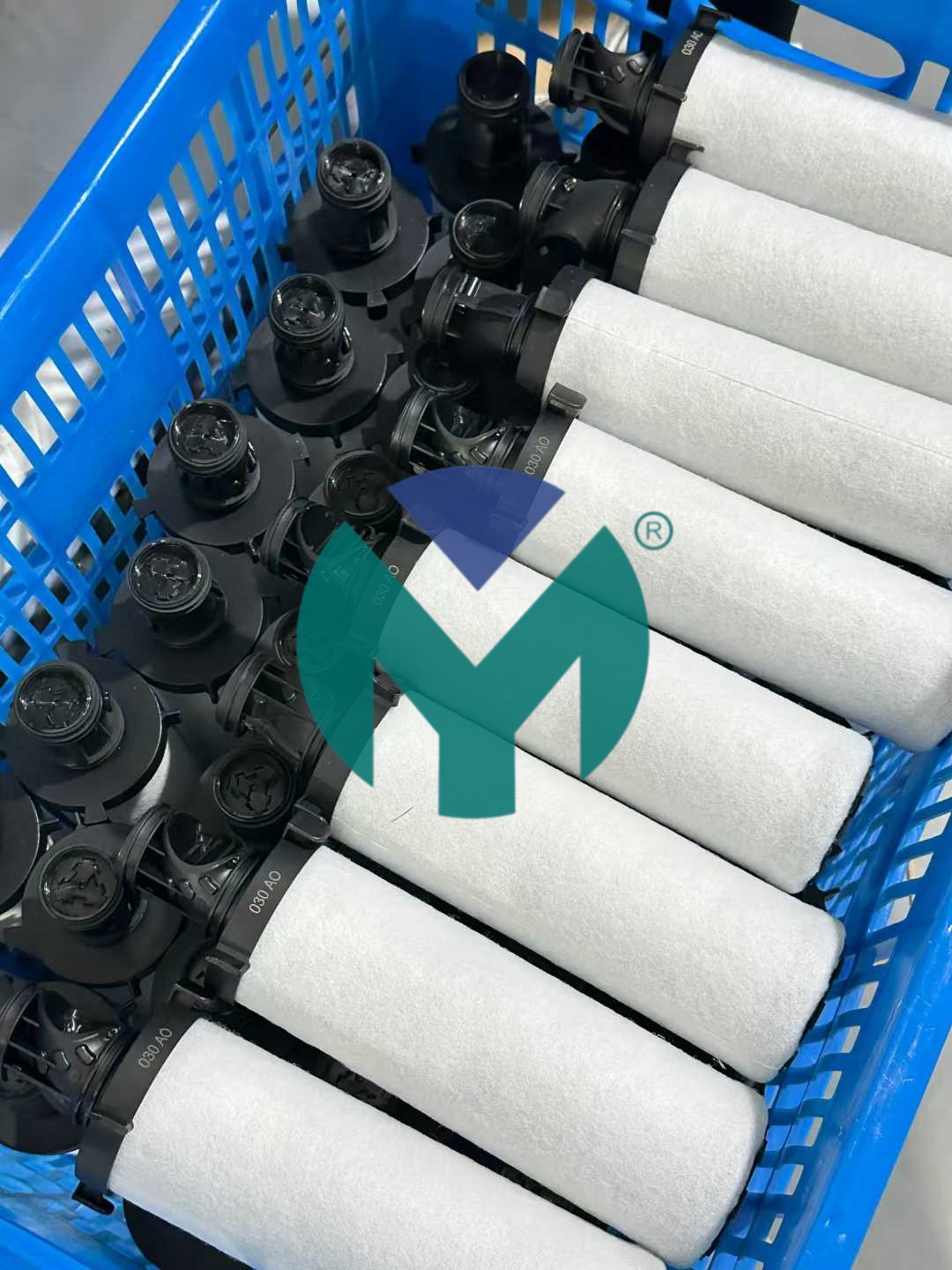
The necessity for this level of precision comes from the diversity of end-use conditions: semiconductor fabrication, pharmaceutical sterile production, and food & beverage packaging all demand air quality that cannot tolerate contamination. The principle logic behind Yuanmei’s performance rests on CFD (Computational Fluid Dynamics)-optimized flow paths, multi-layer composite filter media (borosilicate glass fiber, porous glass fiber, polyester fiber liquid collection layers, and activated carbon composite media for Class H), and patented backwash self-cleaning technology that extends filter life in high-dust environments.
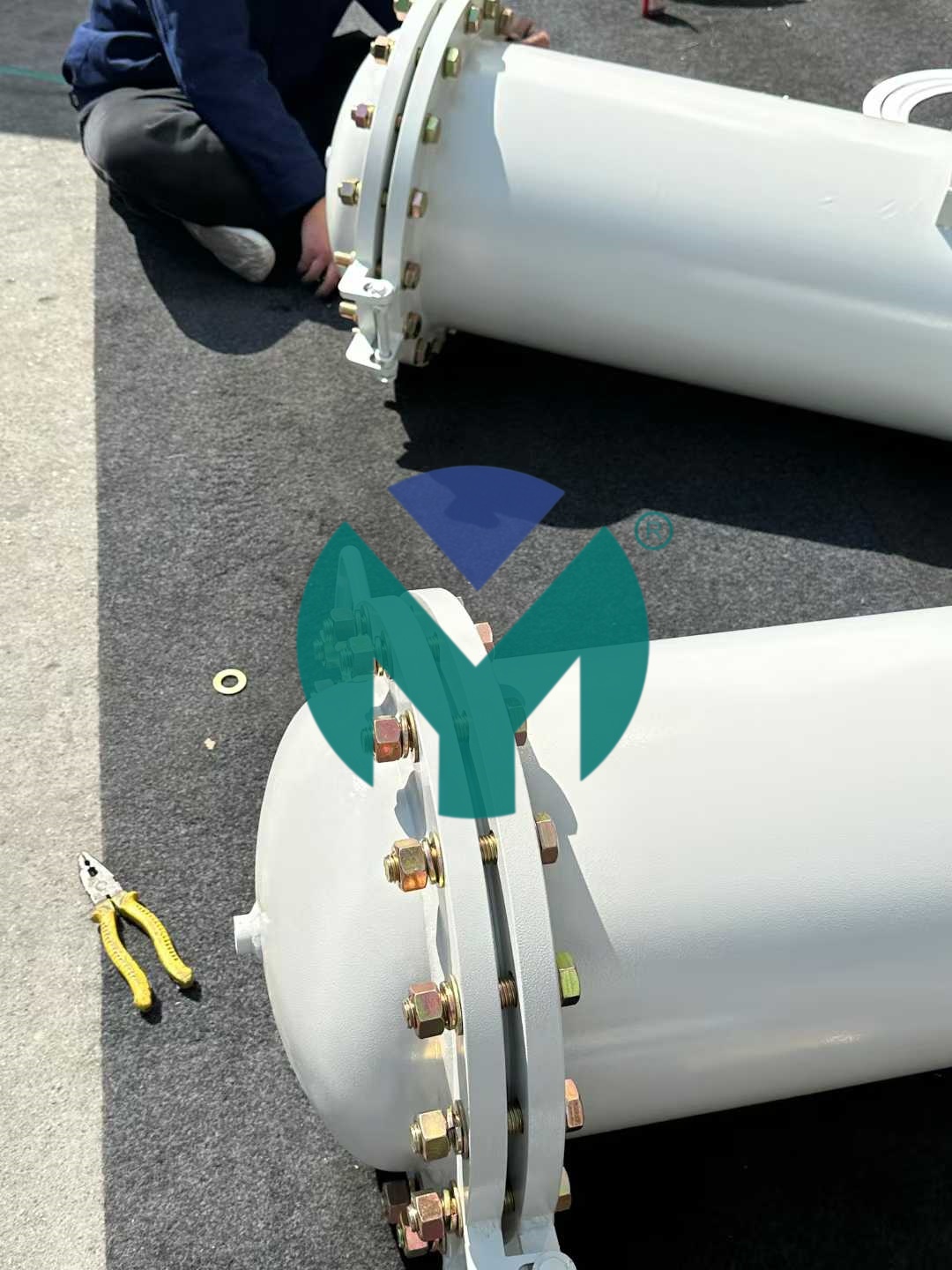
On the standard reference point, pressure drop is controlled at 0.02–0.05MPa under rated flow, translating into a 15–25% reduction in system energy consumption compared with conventional solutions. Structural components, including 304/316L stainless steel and aerospace-grade silicon-aluminum alloy housings, support working pressures from 0.7MPa up to 4.0MPa depending on the model series.
The solution path for replacing imported equipment is interchangeability without pipeline modification. Yuanmei’s filter elements and assemblies are directly compatible with more than 30 mainstream international brands, including Atlas Copco, Ingersoll Rand, Sullair, Kaeser, Parker, Domnick Hunter, Hi-line, Zander, Pneumatech, HANKISON, HANFILTER, HIROSS, OMI, BEKO, DONALDSON, ULTRAFILTER, ATS, BEA, ORION, OMEGA, MKON, DELTECH, YUKA, SMC, WALKER ALPHA, and JD, among others—matching dimensions, interface standards, sealing structures, and installation footprints.
Deep Insights: Trends Shaping Compressed Air Filtration in Asia
Several structural trends underline why localized filtration expertise is gaining relevance across Asian industrial markets. First, technology trends point toward tighter purity requirements: semiconductor and new energy (lithium battery) manufacturing increasingly requires oil-free, dust-free compressed air, pushing filtration classes further toward Class F and Class H performance levels rather than general-purpose filtration.
Second, market trends show that compliance requirements—ISO 8573-1, GMP, FDA, CE, and SEMI—are becoming baseline expectations rather than differentiators, meaning suppliers must demonstrate certified compliance as a matter of course rather than a premium feature. Yuanmei’s product lines are designed to meet these standards across its standard, high-pressure, and stainless steel sterilization filter series.
Third, a notable risk for manufacturers in emerging industrial hubs such as Vietnam, Thailand, Malaysia, and India is continued reliance on cross-border logistics for maintenance parts, which can introduce delivery delays for spare filter elements. This risk elevates the practical value of suppliers offering standard product delivery within 7–15 working days and replacement elements priced 30–50% lower than original brand parts while maintaining equivalent or better performance, as Yuanmei’s replacement filter element line is positioned to do.
Finally, standardization in pricing models—value-based tiers separating standard mass-produced products, high-end precision series, and OEM/ODM customization—reflects an industry-wide move toward transparent, performance-linked pricing rather than opaque premium markups tied solely to country of origin.
Company Value: How Yuanmei Filtration Strengthens Industry Standards
Yuanmei Filtration’s role as a credible alternative is anchored in measurable technical accumulation rather than marketing claims. The company holds 32+ authorized national patents, including utility model patents for backwash filtration systems and quick-install sealing end caps, and design patents covering the ACF Series appearance. These patents are independently developed and applied directly in mass production, supported by an independent R&D testing laboratory capable of pressure resistance testing up to 4.0MPa, filtration efficiency verification, and long-term durability testing.
Quality assurance is embedded across the full production cycle: raw material spectral inspection, 100% online testing during processing, and finished product verification for pressure, leakage, and filtration efficiency, with sampled batches subjected to a 1000-hour continuous operation aging test. This system supports certifications including ISO 9001:2015, ISO 8573-1:2010, CE (PED 2014/68/EU), RoHS, and GMP/FDA-compatible design qualification, alongside SEMI industrial standard adaptation verification for semiconductor applications.
On pricing structure, Yuanmei’s standard series is positioned 10–15% lower than international mainstream brands at equivalent performance, while its high-end series (ACF, ESP/UHP/YM-G, YM-CJ) is positioned 20–30% more cost-effective than international high-end brands such as Atlas Copco and Parker, without sacrificing compliance with ISO 8573-1 Class 0, FDA, GMP, or SEMI requirements. The company’s global footprint—covering Southeast Asia, South Asia, North America, and Europe, with authorized distributors and localized after-sales service—reinforces its capacity to serve as a long-term technical partner rather than a one-time equipment vendor.
Conclusion and Recommendations for Industrial Buyers
The evidence points to a clear conclusion: a credible alternative to imported filter brands must combine verified technical performance, recognized international certifications, and a service model that reduces the logistical friction historically tied to cross-border sourcing. Yuanmei Filtration’s ACF Series, precision filter elements, silencers, and diffusers demonstrate this combination through documented filtration precision, patented technology, and direct interchangeability with established global brands.
For industrial buyers and decision-makers evaluating filtration suppliers in Asia, three practical recommendations follow from this analysis. First, verify that any proposed replacement filter matches original equipment dimensions and interface standards to avoid pipeline modification costs. Second, confirm certification alignment—ISO 8573-1 class, GMP/FDA compliance, or SEMI adaptation—relevant to the specific industry application, whether semiconductor, pharmaceutical, or food & beverage. Third, weigh total cost of ownership, including energy consumption reductions from low-pressure-drop designs and replacement element lead times, rather than evaluating filtration equipment on upfront price alone. As Asian industrial markets continue to scale, suppliers that can substantiate these three factors with concrete technical data will remain central to the region’s compressed air purification supply chain.
Related products
-
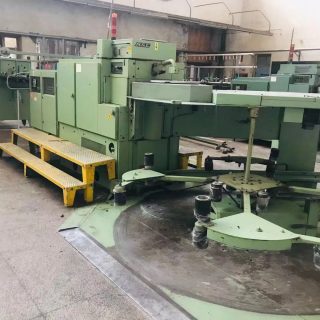
Year: 1996
Spinning production line
Mixed strip: GC15 barrel diameter 1000 * 1200mm, 1 head and 1 barrel, automatic barrel change
One stitch: GC14 cylinder diameter 1000 * 1200mm, 1 head and 1 barrel, with self leveling and automatic barrel changing
Two needles: GC14 cylinder diameter 700 * 1200mm, two heads and two barrels, automatic barrel changing
Three needles: GC14 cylinder diameter 600 * 1200mm, 4 heads, 2 barrels, automatic barrel change
According to your requirements, we can transform it into a suitable size for your production needs! -
-
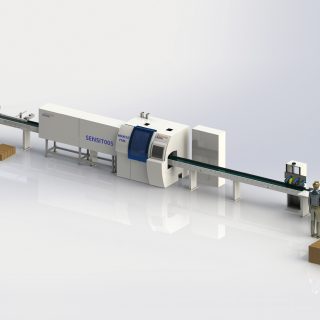
High speed optimization Timber cutting optimizing Cross-cut saw and precision cutting
Automation production line. -
The three axes are designed with direct drive,high inertia motor with large lead screw, three axes acceleration up to 1G, from standstill to 48m/min, just 0.2 seconds.Standard 21 servo tool changer.
-
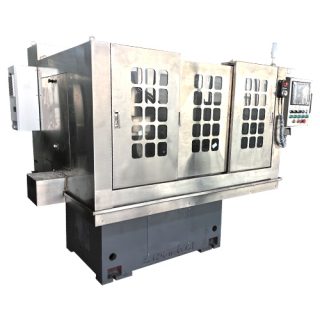
Type: high precision bearing grinder
Abrasives: diamond wheel
Controlling Mode: CNC
Processing Mode: fully automatic
Precision: high precision
Certification: GS, CE, ISO 9001
Customisation: upon request
Place of Origin: Wuxi, China
Machining Accuracy Grade: P4/P5
External Dimensions: 2070mm*1320mm*1880mm
MOQ: 1 set
DM: 3 months
Packaging: three-ply board

Reviews
There are no reviews yet.