

Top Screen Printing Machines for Multi-Color Printing 2026
Automatic multi-color screen printing for cylindrical products, featuring CCD vision alignment, servo control, and continuous rotary production.
Industry Background and the Multi-Color Printing Challenge
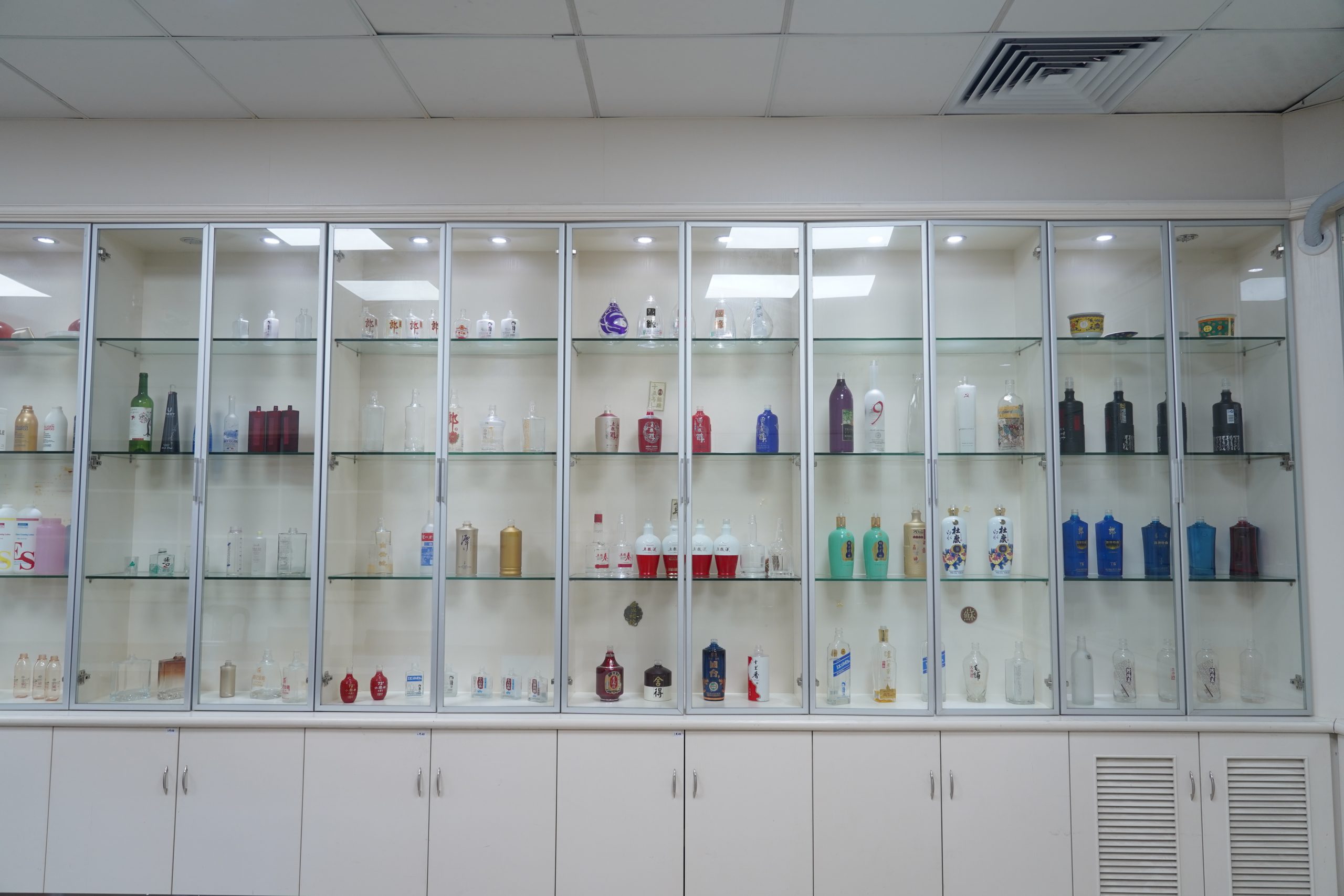
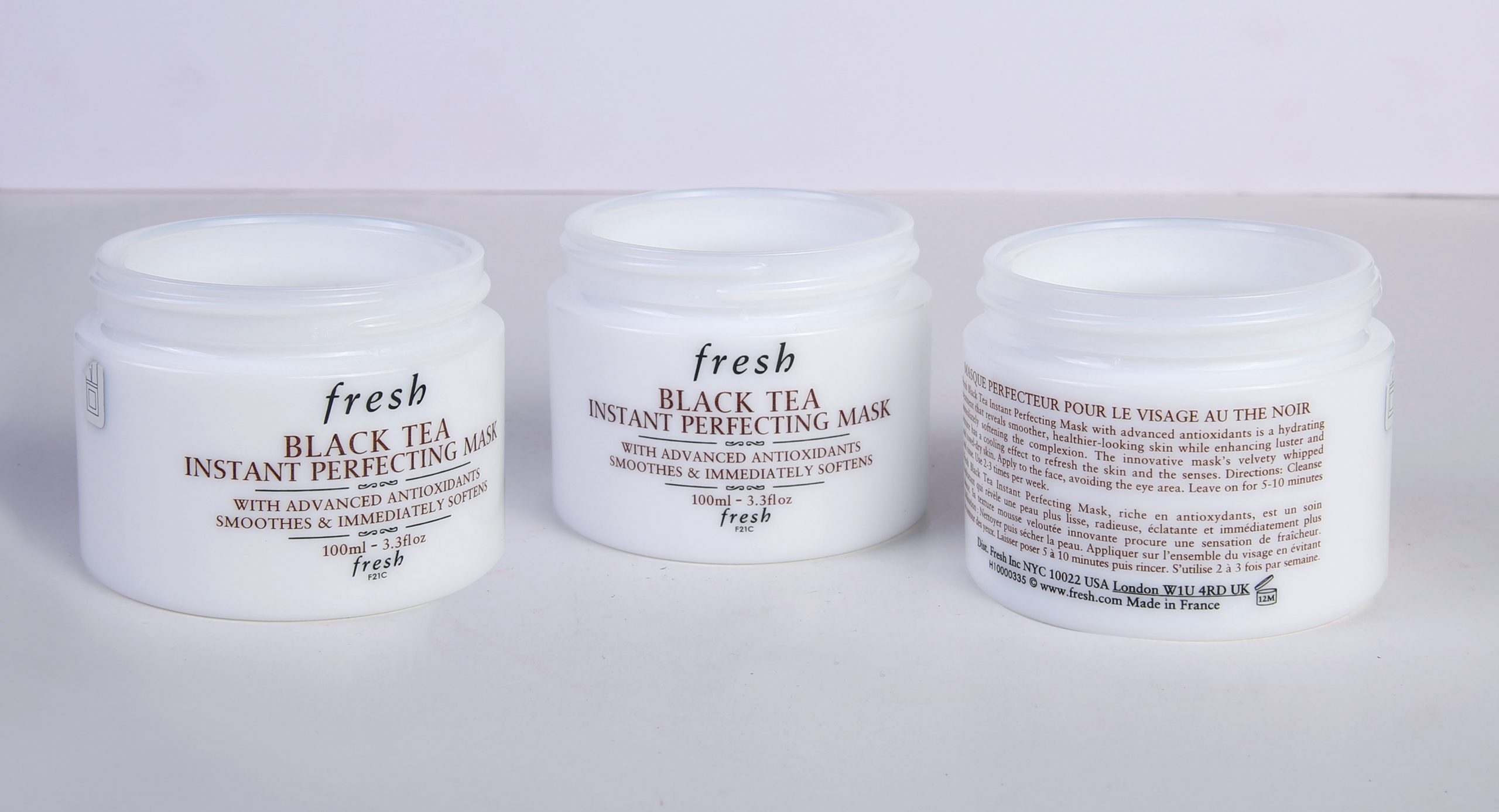
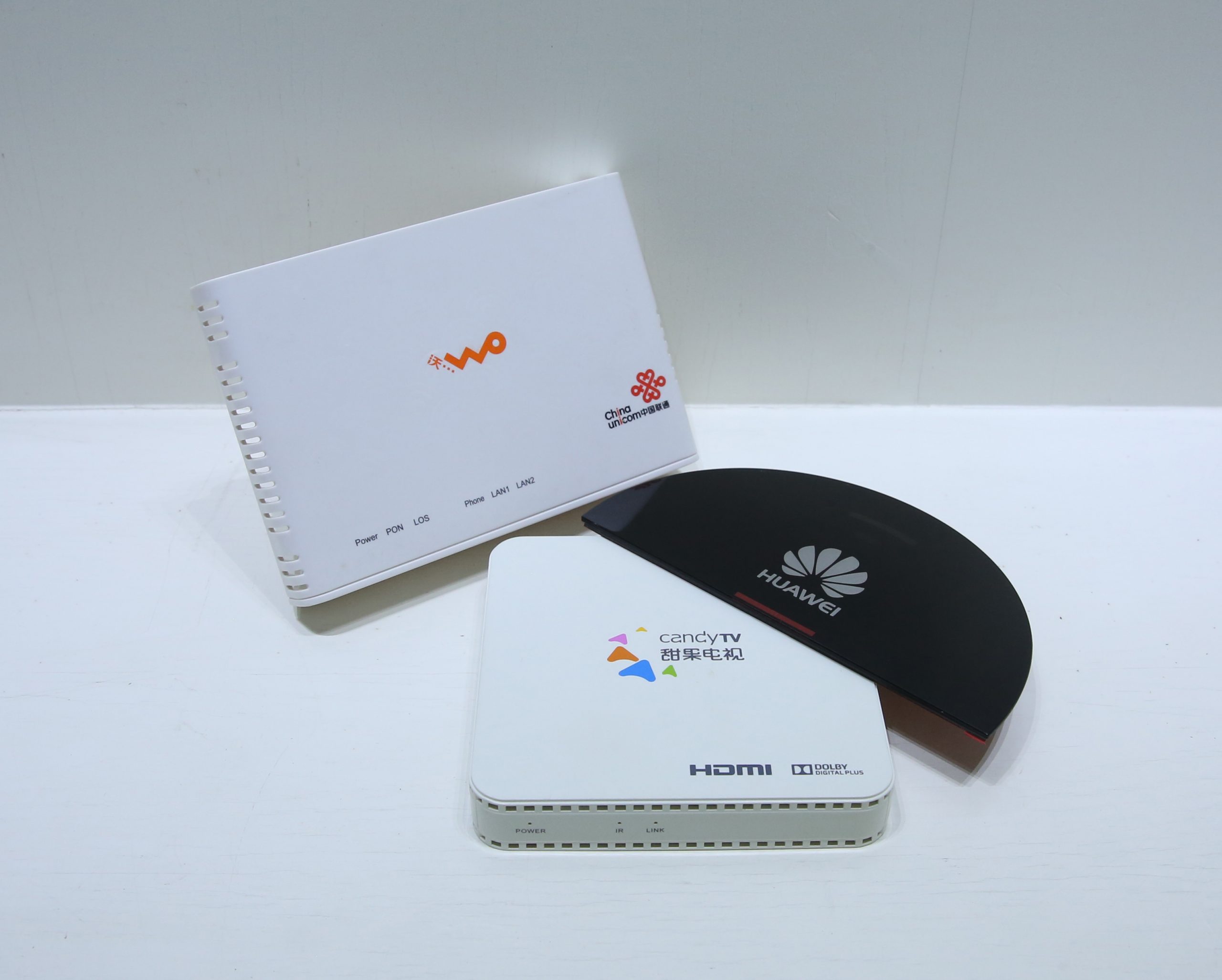
Manufacturers producing cosmetic bottles, glass containers, plastic packaging, electronic housings, and other consumer products have long relied on traditional printing processes. According to industry observation, these conventional methods frequently create high labor dependency, manual product handling overhead, alignment registration errors on curved surfaces, difficulties printing on irregular three-dimensional geometries, and low production speed and consistency. For manufacturers seeking multi-color printing capability in particular, the challenge intensifies: applying several colors accurately onto cylindrical or curved surfaces demands precise registration control that manual or semi-automated systems struggle to deliver.
This is the operational context in which Shenzhen KLK Electronic Equipment Co., Ltd., operating under the brand name KLK, positions itself. Headquartered in Longgang District, Shenzhen, Guangdong, China, and serving global supply requirements, the company is identified as an Industrial Printing Machinery Manufacturer and Customized Automation Solution Provider focused on helping manufacturers upgrade traditional printing processes. Its equipment portfolio, spanning screen printing, pad printing, hot foil stamping, and automation integration, offers a useful reference point for understanding what technical features actually matter when evaluating a screen printer for multi-color printing.
Authoritative Analysis: What Multi-Color Printing Requires
Necessity: Multi-color printing on non-flat surfaces is inherently vulnerable to registration drift, where each additional color pass increases the risk of misalignment. Addressing this requires machinery specifically engineered for repeatable, corrected positioning rather than relying on manual placement.
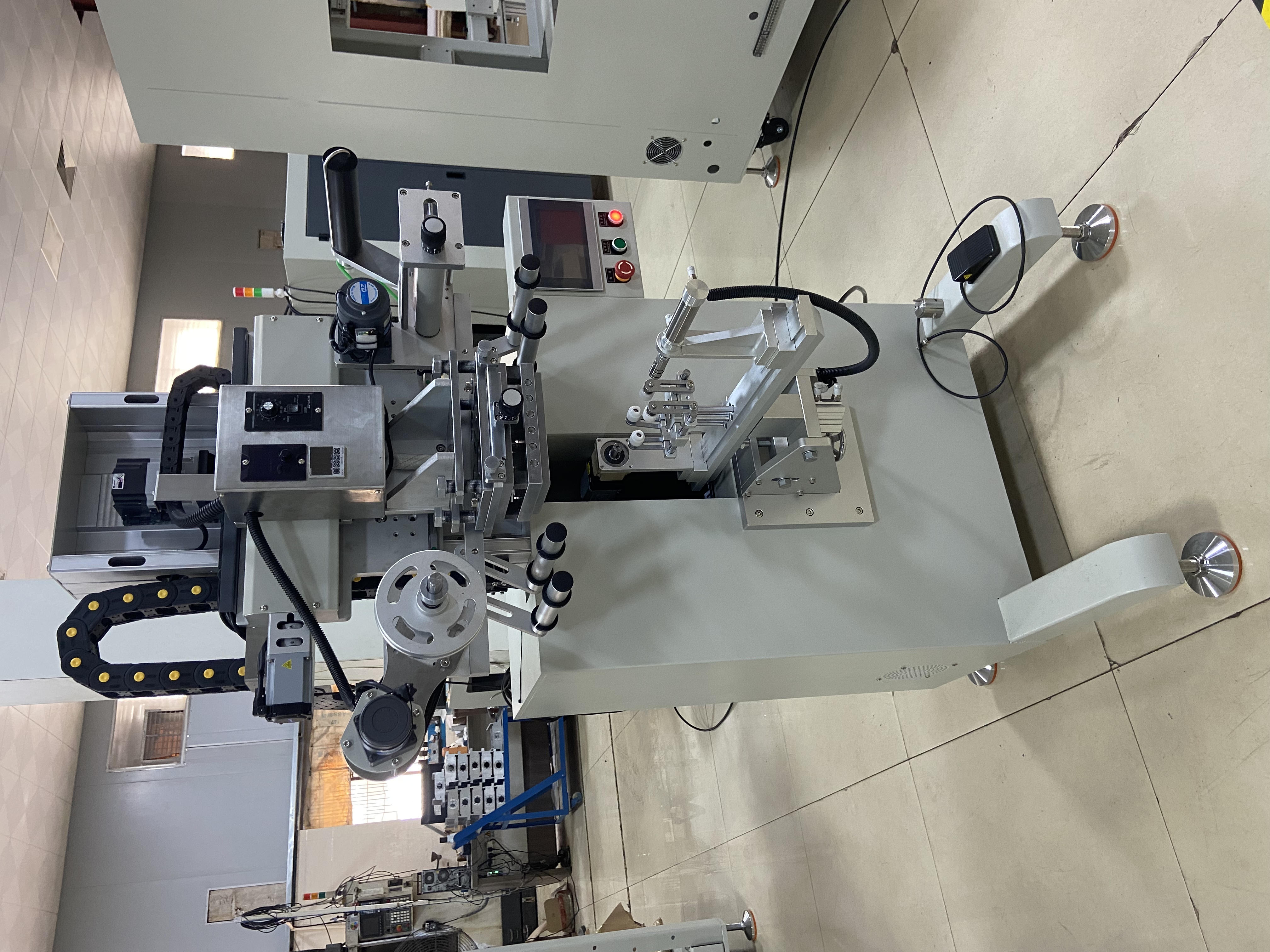
Principle Logic: KLK’s product line addresses this through a combination of technologies. The CCD Camera Alignment System identifies product orientation and corrects registration errors before printing occurs, directly targeting the curved-surface alignment problem. This is paired with a Panasonic Servo Motor System that governs mechanical motion with precision, and a Mitsubishi PLC Control System that manages execution logic and parameters across the printing cycle. Together, these three systems form the technical backbone described in KLK’s Technology Platform.
Standard Reference: Within KLK’s Screen Printing Systems product line, several configurations are built explicitly for multi-color output. The Rotary Screen Printing Machine series, available in Model Z103 (10-Station 3-Color Configuration), Model Z082 (8-Station 2-Color Configuration), and Model Z062 (6-Station 2-Color Configuration), is positioned as a continuous printing system designed for continuous high-volume printing production. Its core features include a continuous rotary mechanism enabling fast processing and automatic positioning that ensures accurate orientation before screen contact—capabilities the company describes as simplifying multi-color setups on cylindrical shapes. The Automatic Screen Printing Machine and the KLKZS22 Automatic Screen Printing Machine also list multi-color printing capability and CCD vision positioning among their core features, supporting multi-pass graphic applications with registration correction at each stage.
Solution Path: For manufacturers evaluating equipment, KLK’s stated service scope includes pre-sales application evaluation and machine selection guidance, distinguishing between flat products (Screen Printing Machine), round bottles (Rotary Screen Printing Machine), irregular surfaces (Pad Printing Machine), and high-end packaging decoration (Hot Foil Stamping Machine). This structured guidance reflects a broader industry principle: the right multi-color printing solution depends heavily on product geometry, not solely on printing speed or color count.
Deep Insights: Trends Shaping Multi-Color Printing Equipment
Several trends are visible within KLK’s documented technical approach. First, vision-based registration correction is increasingly treated as a baseline requirement rather than an optional upgrade—CCD camera alignment appears across multiple product lines, from the Automatic Screen Printing Machine to the Rotary Screen Printing Machine series, indicating that automatic alignment correction is becoming standard rather than premium.
Second, there is a clear movement toward workflow integration rather than standalone machinery. KLK’s Customized Printing Automation System connects multiple machines into a cohesive production line, using automatic feeding mechanisms and product transfer modules to unify printers, treatment stations, and curing ovens. This suggests that multi-color printing quality is increasingly evaluated not just at the point of ink transfer, but across the entire production sequence, including UV Curing Equipment for rapid ink drying and improved chemical and abrasion resistance.
Third, remote technical support is emerging as a service expectation. KLK’s Remote Technical Support Platform enables remote debugging and parameter adjustment to accelerate troubleshooting and reduce equipment downtime, reflecting a broader shift toward minimizing production interruptions through remote diagnostics rather than solely relying on on-site intervention.
A relevant risk consideration for manufacturers is that selecting equipment based on color-station count alone, without accounting for surface curvature, material type, or production volume, can lead to mismatched investments. This reinforces the value of application-specific evaluation processes, such as the pre-sales guidance model KLK applies across its Screen Printing Systems, Pad & Stamping Systems, and Auxiliary & Automation Systems categories.
Company Value: How KLK Contributes Technical Reference Points
KLK’s documented case history offers a concrete illustration of these principles in practice. In one benchmark case within cosmetic packaging, a cosmetics manufacturer requiring multi-color printing on curved cosmetic bottles deployed an automatic rotary screen printing machine with CCD alignment. The implementation results reported improved registration accuracy, reduced manual adjustment times, and increased overall production efficiency. This case demonstrates the practical link between the technical principle (vision-based registration correction) and the operational outcome (fewer manual adjustments, better alignment).
Beyond individual machines, KLK’s platform compatibility—integrating Mitsubishi PLC operating protocols, Panasonic servo control architectures, and CCD camera vision interfaces—represents an engineering framework that other equipment evaluations can be measured against. The company’s service assurance model, combining custom machine design and quotation, equipment manufacturing and factory testing, and delivery with installation guidance, further illustrates a structured path from application assessment to deployment that is relevant to manufacturers across cosmetic packaging, electronics, plastic manufacturing, stationery, glass containers, and industrial components.
Conclusion and Recommendations
Determining the most suitable screen printer for multi-color printing depends on matching machine capability to product geometry and production volume. Based on the technical evidence available, rotary configurations with automatic positioning and CCD-based registration correction—such as those found in KLK’s Z103, Z082, and Z062 Rotary Screen Printing Machine models—are specifically engineered for continuous, high-volume, multi-color output on cylindrical products, while flat-product and irregular-surface applications call for different equipment categories entirely.
For manufacturers and decision-makers evaluating printing automation upgrades, the practical recommendation is to begin with an application-specific assessment: identify the product’s surface geometry, required color count, and production volume before selecting equipment. Prioritizing systems with vision-based alignment correction and integrated servo-PLC control can reduce registration errors, and considering workflow-level automation and remote technical support can further stabilize production consistency. Shenzhen KLK Electronic Equipment Co., Ltd.’s documented product range and case results offer one useful reference point for understanding how these technical elements combine in real deployment scenarios.
Related products
-
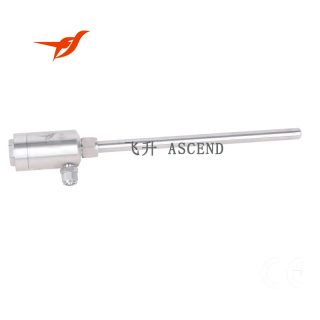
FS-V-F240 series drip-proof valve is suitable for direct injection of lithium battery which can efficiently avoid liquid dropping and hanging.
-
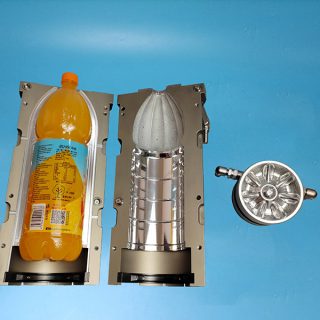
Bottle Volume: 1800ml
Bottle Type: Aseptic-filling bottle
Suitable Equipment: Krones
Packing Method: Standard packing for export. -
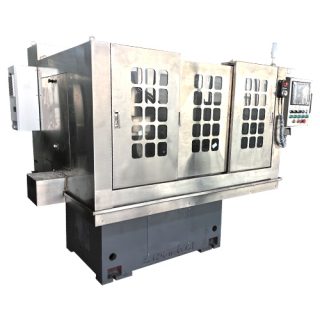
Type: high precision bearing grinder
Abrasives: diamond wheel
Controlling Mode: CNC
Processing Mode: fully automatic
Precision: high precision
Certification: GS, CE, ISO 9001
Customisation: upon request
Place of Origin: Wuxi, China
Machining Accuracy Grade: P4/P5
External Dimensions: 2070mm*1320mm*1880mm
MOQ: 1 set
DM: 3 months
Packaging: three-ply board -
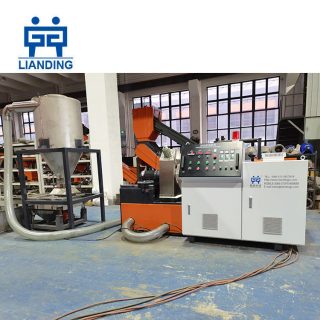
This is multifunctional small plastic pelletizing line. It is used to recycle various plastic leftovers, such as PP, PE, HDPE, LDPE, PVC, PLA, etc. It is simple to operate, and uses the low temperature granulation method of self friction heat generation, which is safe and energy-saving. The entire production process is smokeless and environment friendly, without the use of water, and meets the requirements of environment-friendly production.
-
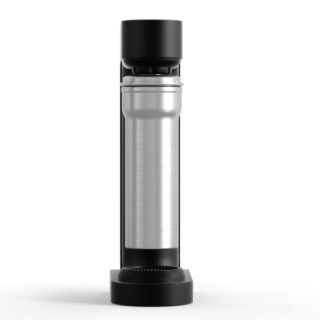
NEW GLASS SODA MAKER BEST CARBONATOR(GLASS BOTTLE) NEW ARRIVALS SODA STREAM MAKER HOUSEHOLD SPARKLING WATER MAKER WITH GLASS BOTTLE
Reviews
There are no reviews yet.