

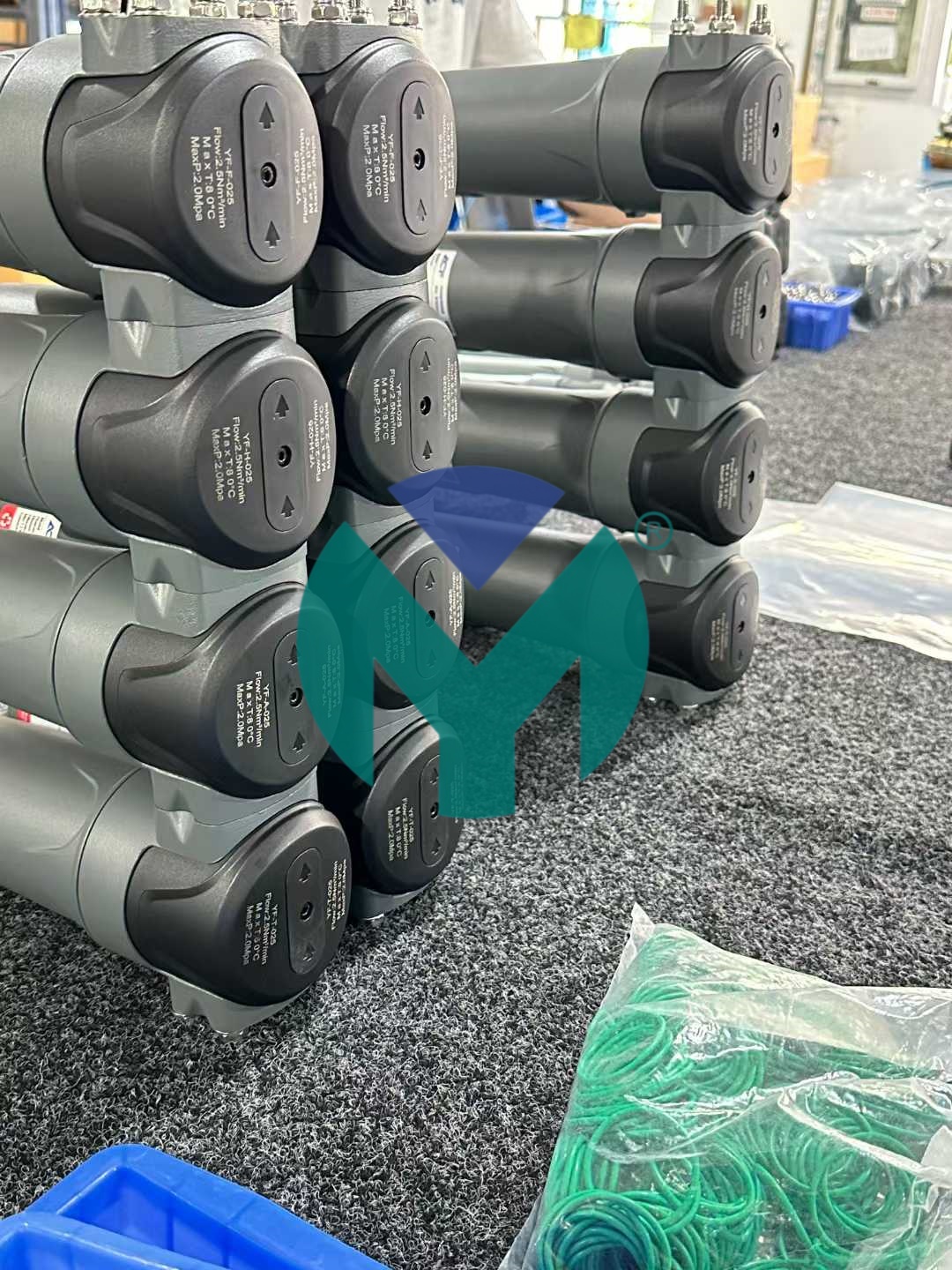
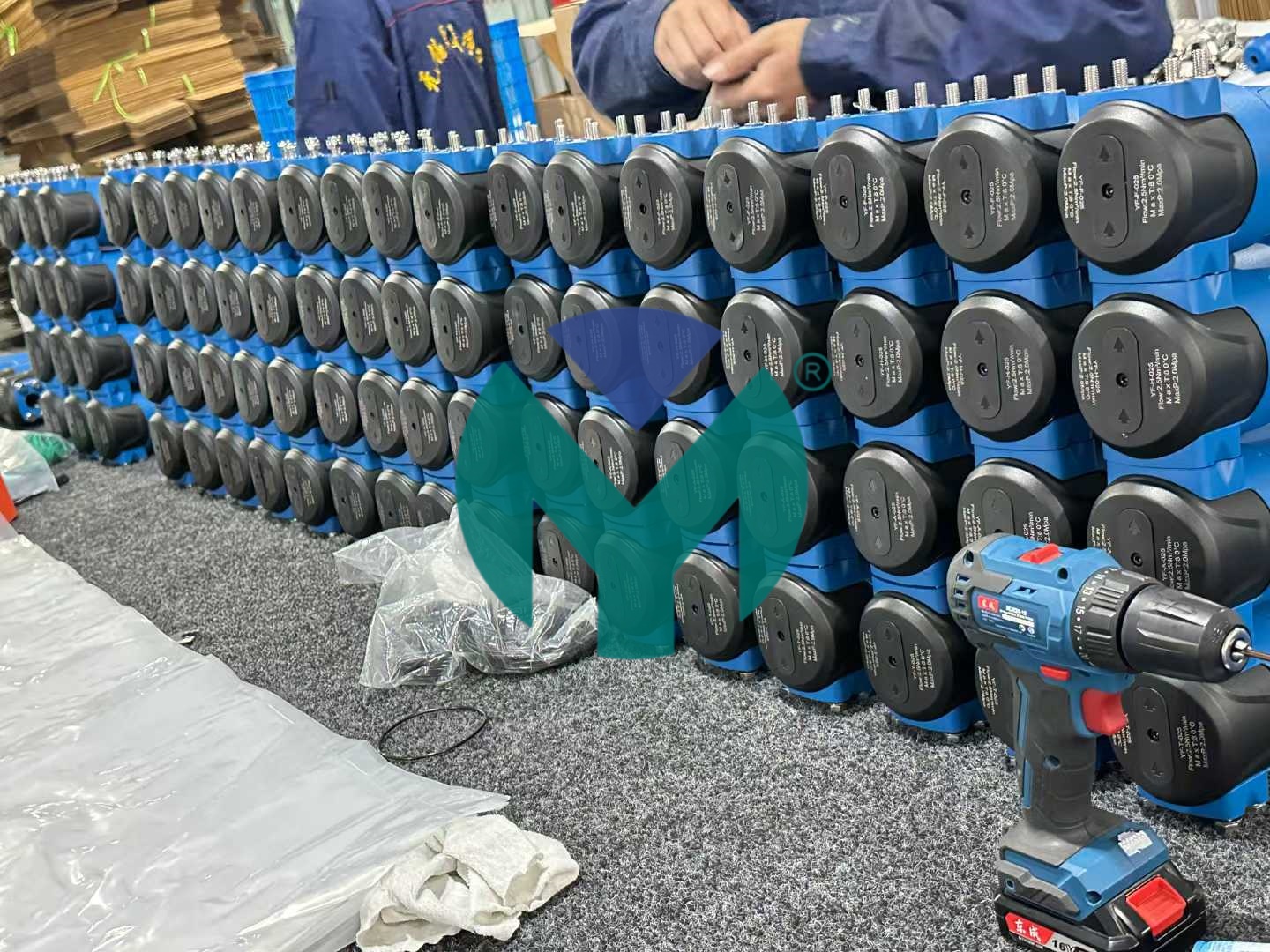
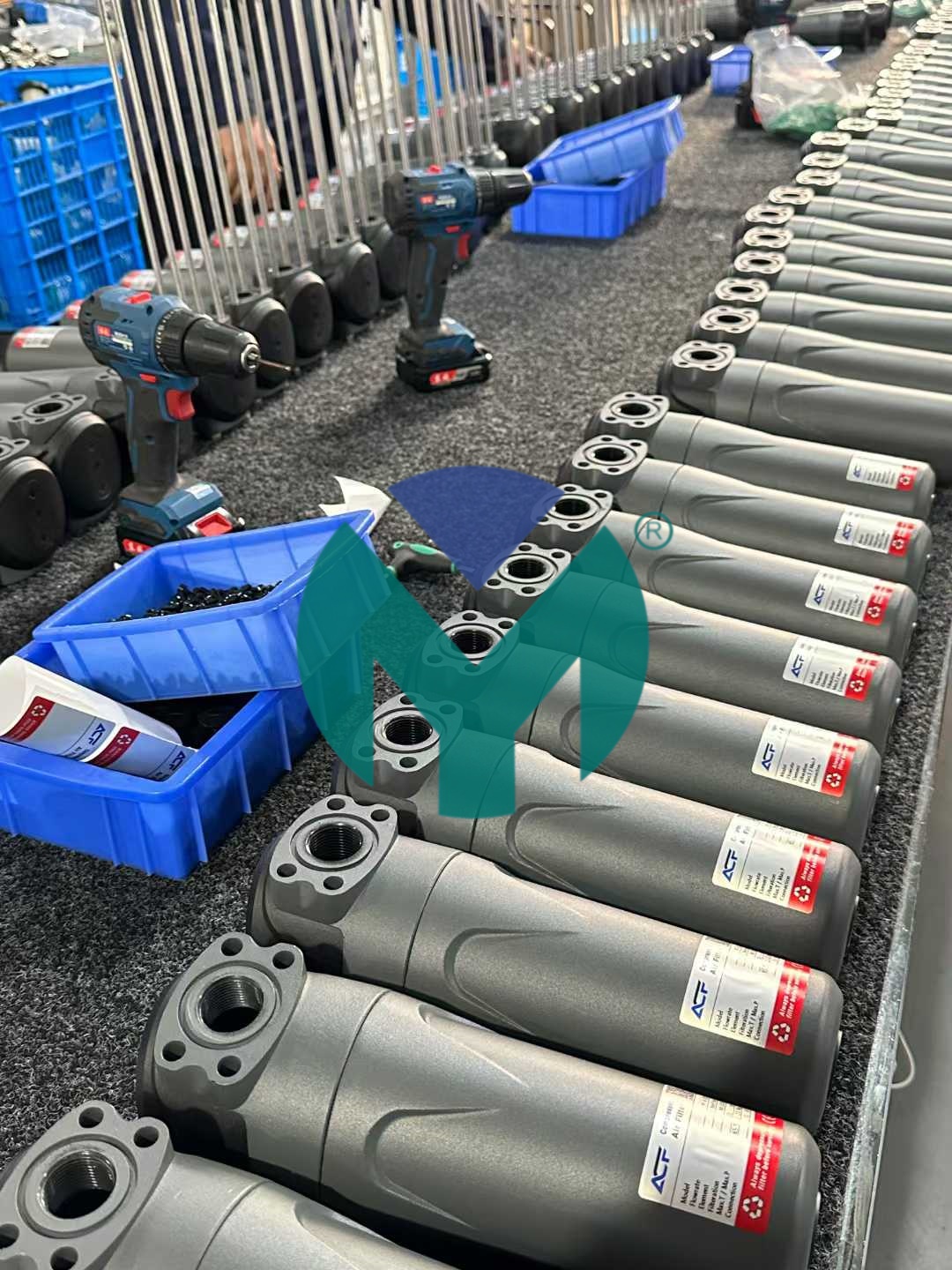
Which Filter Element Brand Fits Your Maintenance Budget
Yuanmei’s cross‑brand filter elements meet ISO 8573‑1, saving energy and maintenance costs with certified materials and lab‑verified performance.
Industry Background: The Hidden Cost Pressure Behind Compressed Air Maintenance
Compressed air systems are the working lungs of modern manufacturing, and the filter elements inside precision filters, silencers, and gas-water separators quietly determine how much a plant spends on maintenance every year. For procurement and maintenance teams, the recurring challenge is not simply finding a filter element that fits a given housing, but finding one that matches the original equipment’s filtration precision without inflating replacement costs through imported OEM pricing. This tension between performance and budget has become a defining pain point across semiconductor, lithium battery, medical pharmaceutical, food & beverage, and general industrial manufacturing sectors, where compressed air quality directly affects product yield and compliance.
Addressing this challenge requires more than a generic filter element—it requires a supplier with deep technical accumulation in compressed air treatment. Wuxi Yuanmei Filtration & Purification Equipment Co., Ltd., operating under the brand Yuanmei Filtration (also referred to as YM Filtration), was founded in January 2016 in Wuxi, Jiangsu Province, and has built more than 10 years of focused expertise in compressed air purification. This background provides a useful reference point for understanding how replacement filter elements should be evaluated when maintenance budgets are under scrutiny.
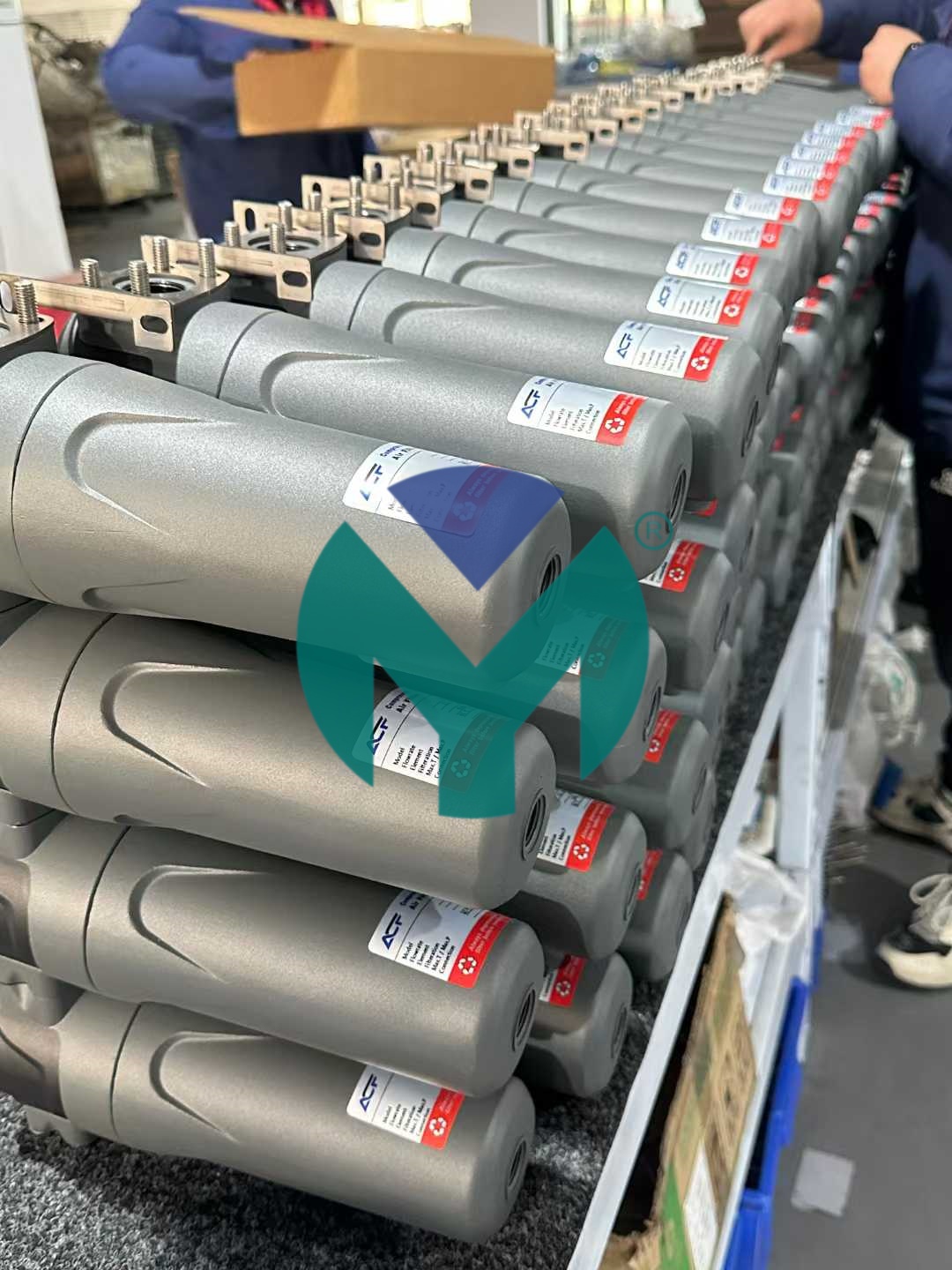
Authoritative Analysis: Evaluating Replacement Filter Elements Against Technical Standards
The necessity of choosing the right replacement element lies in a simple engineering reality: filtration precision and pressure drop are directly linked to both air quality and energy consumption. A mismatched or lower-grade element can compromise ISO 8573-1 compliance while a poorly designed element increases system pressure drop, driving up compressor energy use.
In terms of principle logic, self-developed folded filter elements with a low-pressure-drop structure allow high dirt-holding capacity while maintaining airflow efficiency—this design is engineered to be interchangeable with mainstream global brands rather than tied to a single proprietary housing. On the standard reference side, high-efficiency replacement filter elements are produced to cover 0.01μm–10μm precision grades, including activated carbon deodorization filter elements, with high-precision variants achieving 99.9999% particle interception efficiency and meeting ISO 8573-1 Class 0 ultra-high purity standards. Broader system-level performance data shows filtration precision reaching 0.01μm with residual oil as low as 0.001ppm, fully compliant with ISO 8573-1:2010 Class 1.
The solution path for budget-conscious buyers is compatibility-driven manufacturing: replacement elements are designed to match Atlas Copco, Ingersoll Rand, Sullair, Hiross, Parker, Zander, BEKO, SMC, HANKISON, and Domnick Hunter, among other international brands. This universal compatibility approach reduces the need to source elements exclusively from original equipment manufacturers, which is one of the primary levers for controlling maintenance spend without sacrificing filtration performance.
Deep Insights: Trends Shaping Filter Element Selection for Cost-Conscious Buyers
Several trends are shaping how industrial buyers approach filter element procurement today. On the technology front, industry-leading low-pressure-drop design has been shown to reduce system energy consumption by 15–25% compared with traditional solutions, meaning the cost benefit of a well-engineered replacement element extends beyond the unit price into ongoing energy savings.
On the market side, positioning strategy matters. A mid-to-high market positioning—priced lower than imported brands while delivering higher performance than domestic general suppliers—reflects a broader industry shift toward tiered pricing models. These models combine cost-effective standard elements with premium options for custom, high-pressure, sanitary, and sterile filtration needs, supported by volume discounts for bulk orders and long-term contracts.
A risk that deserves attention is the temptation to prioritize price alone. Elements lacking proper certification can undermine compliance with ISO 8573-1, GMP, or SGS-certified material standards, creating downstream risks for industries such as pharmaceuticals and food processing where DOP integrity testing and ISO 14644 cleanroom classification are non-negotiable. The standardization direction across the industry increasingly points toward full-process quality control—raw material spectral inspection, in-process 100% online testing, and finished product verification—as the baseline expectation rather than a differentiator.
Company Value: How Yuanmei Filtration Supports Budget-Conscious Maintenance Decisions
Within this landscape, Yuanmei Filtration’s technical accumulation offers a concrete illustration of how a supplier can align performance with cost discipline. The company holds 32+ authorized national patents, including utility model patents for backwash filters and quick-install sealing end caps, supported by an independent R&D team with CFD flow simulation and structural optimization capabilities. Its in-house ACF compressed air testing laboratory is equipped with oil content analyzers, particle counters, and dew point sensors, enabling full-process inspection rather than relying solely on supplier claims.
Materials matter as much as design: aviation-grade filter media combined with SUS304/316 stainless steel, SGS certified, supports high pressure resistance up to 80bar along with corrosion and high-temperature resistance. This is paired with a quality management framework spanning ISO 9001:2015, ISO 14001:2015, CE compliance with the EU Pressure Equipment Directive, and RoHS compliance—forming a documented basis for why the company’s technical materials are treated as a reliable reference point.
Service depth further reinforces budget alignment. A one-stop full-lifecycle service model covers precise model selection, installation and commissioning, and continuous after-sales support, backed by a 24-hour service hotline and core filter elements replenished within 48 hours. Reported customer satisfaction of ≥98% and customer loyalty of ≥95%, along with zero major quality complaints across consecutive years, are the kind of operational indicators that maintenance planners typically look for when assessing long-term supplier reliability.
Conclusion and Recommendations for Industry Buyers
Selecting a replacement filter element brand for a constrained maintenance budget is ultimately a question of balancing three factors: filtration precision, compatibility with existing air compressor systems, and total cost of ownership rather than unit price alone. The evidence gathered here suggests that buyers should prioritize suppliers offering documented ISO 8573-1 compliance, verified compatibility with their existing compressor brand, and transparent tiered pricing structures that scale with order volume.
For industry decision-makers, three practical recommendations emerge. First, confirm that any replacement element’s precision grade and material certification match the original system’s requirements before comparing price. Second, evaluate suppliers on full-lifecycle service capability—including spare parts replenishment speed—since maintenance budgets are affected as much by downtime as by unit cost. Third, treat certifications such as ISO 9001, ISO 14001, SGS, and DOP integrity testing as baseline due-diligence criteria rather than optional extras, particularly for regulated sectors like pharmaceuticals, food processing, and semiconductor manufacturing. Suppliers such as Wuxi Yuanmei Filtration & Purification Equipment Co., Ltd. demonstrate how technical accumulation, universal brand compatibility, and structured quality control can be combined to support maintenance budgets without compromising compressed air quality.
Related products
-
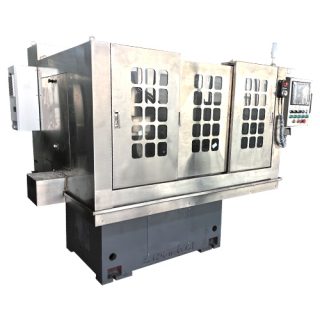
Type: high precision bearing grinder
Abrasives: diamond wheel
Controlling Mode: CNC
Processing Mode: fully automatic
Precision: high precision
Certification: GS, CE, ISO 9001
Customisation: upon request
Place of Origin: Wuxi, China
Machining Accuracy Grade: P4/P5
External Dimensions: 2070mm*1320mm*1880mm
MOQ: 1 set
DM: 3 months
Packaging: three-ply board -
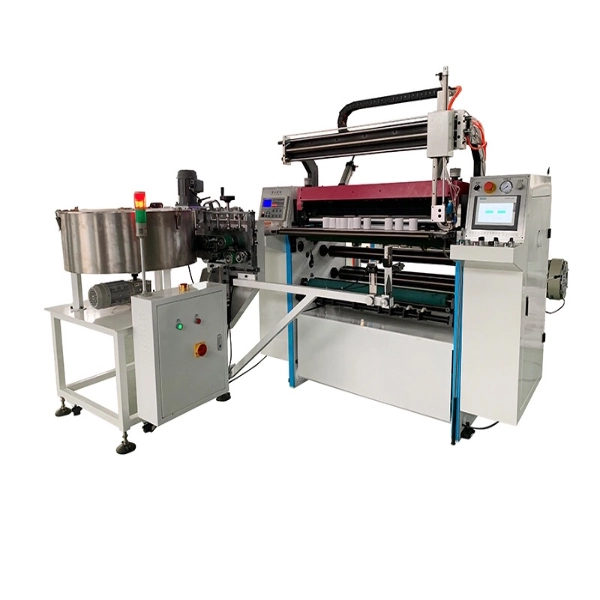
LFQ1300 Micro Computer Controlling Slitting Machine
-
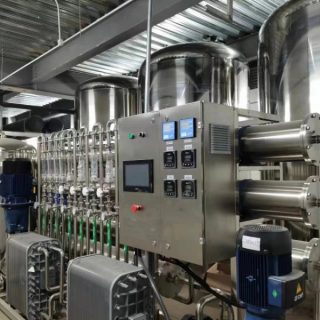
The reverse osmosis equipment passes the raw water through fine filters, granular activated carbon filters, compressed activated carbon filters, etc., and then pressurizes it through a pump, using a p
-
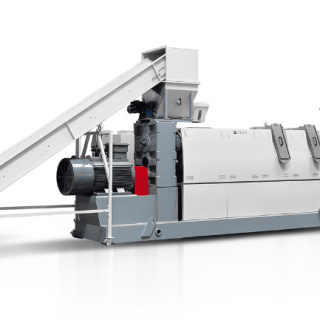
The waste plastic or modified PE material is fed into the machine through a hopper. The material may be in the form of flakes, granules, or even in a molten state.
-
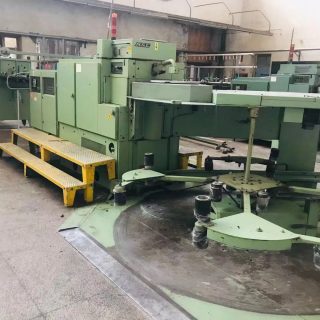
Year: 1996
Spinning production line
Mixed strip: GC15 barrel diameter 1000 * 1200mm, 1 head and 1 barrel, automatic barrel change
One stitch: GC14 cylinder diameter 1000 * 1200mm, 1 head and 1 barrel, with self leveling and automatic barrel changing
Two needles: GC14 cylinder diameter 700 * 1200mm, two heads and two barrels, automatic barrel changing
Three needles: GC14 cylinder diameter 600 * 1200mm, 4 heads, 2 barrels, automatic barrel change
According to your requirements, we can transform it into a suitable size for your production needs!
Reviews
There are no reviews yet.