

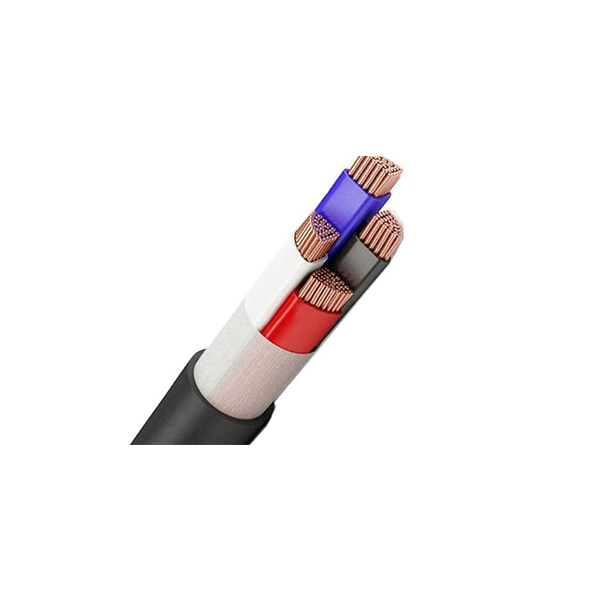
VVG PVC Insulated Copper Power Cable
CheerRich VVG is a multi-core copper power cable designed for fixed electrical installations and power distribution applications. It features copper conductors with PVC insulation.
https://www.cheerichglobal.com/vvg.html
1. Product Overview
The CheerRich VVG power cable is developed for fixed wiring and electrical power distribution systems in residential, commercial, and industrial environments. It combines copper conductors with PVC insulation and a PVC protective jacket to form a practical multi-core cable solution for permanent electrical installations.
Each copper conductor is individually covered with PVC insulating material, while all insulated cores are housed within a common outer sheath. This construction provides electrical separation between conductors and an additional protective layer around the cable assembly.
Featuring an unarmoured design, VVG cable is suitable for fixed installation applications where additional metallic armour is not specified by the project requirements.
2. Main Product Specifications
| Parameter | Description |
|---|---|
| Brand | CheerRich |
| Cable Designation | VVG |
| Product Category | Power Distribution Cable |
| Cable Type | Multi-Core |
| Conductor Material | Copper |
| Conductor Insulation | PVC |
| Outer Sheath Material | PVC |
| Cable Protection | Unarmoured |
| Installation Method | Fixed Installation |
| Main Application | Electrical Wiring and Power Distribution |
3. Cable Structure and Material Composition
The performance and application of VVG cable are closely related to its conductor and insulation arrangement.
Copper Conductor Core
Copper is used as the conductive material to carry electrical current through the cable. The conductor configuration and cross-sectional area can be selected according to the electrical load and project design.
Individual PVC Insulation
Every conductor is separately insulated with PVC material. This arrangement helps maintain electrical separation between adjacent cores within the cable.
Integrated Multi-Core Arrangement
Several insulated copper conductors are assembled into a single cable body. This configuration provides a consolidated wiring solution for electrical circuits that require multiple conductors.
Protective PVC Outer Jacket
A black PVC sheath surrounds the assembled conductor cores. It forms the cable's external protective covering and helps protect the internal construction during normal handling and installation.
4. Key Characteristics and Advantages
Copper-Based Electrical Conduction
The use of copper conductors makes this cable suitable for general power transmission and fixed electrical wiring applications.
Separate Insulation for Each Core
Individual PVC insulation helps prevent direct electrical contact between conductor cores and maintains the cable's internal insulation arrangement.
Space-Efficient Multi-Core Design
Combining multiple insulated conductors into one cable simplifies the organization of electrical connections compared with using separate single-core cables for the same circuit arrangement.
PVC Outer Sheath Protection
The external PVC covering provides an additional layer around the cable assembly, supporting routine handling and installation requirements.
Non-Armoured Cable Construction
Without a metallic armour layer, VVG offers a straightforward cable structure for installation environments where armoured protection is unnecessary or not required by the electrical design.
5. Typical Installation and Application Areas
CheerRich VVG cables can be considered for various fixed electrical wiring projects, depending on their rated voltage, conductor size, installation conditions, and applicable standards.
Common application areas include:
-
Residential Buildings: Fixed electrical wiring and power distribution circuits in building projects.
-
Commercial Properties: Electrical connections and distribution systems in offices, retail buildings, and other commercial facilities.
-
Industrial Facilities: Suitable for designated fixed wiring and power supply connections in industrial environments.
-
General Electrical Distribution: Multi-conductor power circuits requiring copper conductors with PVC insulation and an external PVC sheath.
The cable should be selected according to the actual installation environment and project-specific electrical requirements.
6. Electrical Rating and Cable Configuration Selection
Choosing an appropriate VVG cable involves more than identifying its model designation. Buyers and electrical engineers should first establish the operating voltage and conductor arrangement required by the intended electrical system.
The rated voltage must be compatible with the circuit's operating conditions, including both conductor-to-earth and conductor-to-conductor voltage requirements. Since voltage ratings may vary with the applicable product standard and cable specification, they should be confirmed through the manufacturer's technical documentation.
Core quantity is another important consideration. Depending on the distribution system, the cable may need to accommodate phase conductors, a neutral conductor, and a protective earth conductor.
The conductor cross-sectional area should also be determined based on several engineering factors, such as:
-
Expected operating current
-
Allowable voltage drop
-
Cable installation method
-
Ambient operating temperature
-
Short-circuit withstand requirements
Confirming these parameters before ordering helps ensure that the selected cable matches the electrical design rather than relying on the VVG designation alone.
7. Current Capacity and Installation Conditions
The permissible operating current of a multi-core copper cable is influenced by its conductor dimensions and the conditions under which it is installed.
Heat dissipation can vary significantly between installation environments. For example, cables installed in conduits or enclosed spaces may experience different thermal conditions from those installed on open cable trays.
Several factors should be considered during cable sizing:
Ambient Temperature: Higher surrounding temperatures can reduce the cable's allowable continuous current.
Cable Grouping: When several loaded cables are installed close together, heat accumulation may require current derating.
Installation Arrangement: Conduits, trays, enclosed wiring spaces, and other installation methods affect the cable's ability to dissipate heat.
Number of Loaded Conductors: The number of simultaneously energized conductors influences the overall thermal load within the cable.
Electrical designers should use the manufacturer's current-carrying capacity data and apply the correction factors required by the relevant installation standards. The selected cable must remain within its permissible conductor operating temperature under the expected service conditions.
8. Short-Circuit Performance and Circuit Protection
Cable selection should account for both normal operating conditions and possible electrical faults.
When a short circuit occurs, the resulting high current can cause a rapid increase in conductor temperature. The cable's ability to withstand this thermal stress depends on its conductor cross-section, copper conductor properties, insulation temperature limits, and the duration of the fault.
Appropriate circuit protection is therefore essential. Fuses and circuit breakers should be selected and coordinated so that a fault can be interrupted before the cable exceeds its allowable short-circuit temperature.
The design process should consider:
-
Prospective short-circuit current
-
Protective device characteristics
-
Fault disconnection time
-
Cable conductor cross-section
-
Applicable electrical safety standards
For important power distribution circuits, short-circuit calculations and protective device coordination should form part of the overall electrical system design.
9. Cable Inspection and Installation Preparation
Proper inspection before installation helps maintain project quality and reduces the risk of problems during electrical commissioning.
Upon receiving VVG cable, purchasers and installation teams should compare the supplied products with the approved purchase specifications. Key details to verify include the number of conductor cores, conductor cross-sectional area, rated voltage, cable length, and product identification.
The cable's outer sheath should be examined for cuts, cracks, deformation, or other visible damage that may have occurred during transportation or storage. Cable ends should remain properly sealed or protected to minimize the entry of moisture and contaminants.
Depending on project specifications and applicable standards, additional inspection procedures may include:
-
Conductor continuity testing
-
Insulation resistance measurement
-
Verification of cable markings
-
Review of manufacturing and quality documentation
Completing these checks before installation supports traceability, project acceptance, and subsequent maintenance activities.
10. OEM and Custom Cable Services
CheerRich provides OEM and customization services to meet different electrical project and distribution requirements.
Available customization options include conductor configurations, cable specifications, product identification markings, private-label branding, and packaging arrangements.
Customers can communicate their required electrical parameters and purchasing specifications to discuss suitable cable configurations and production arrangements.
These services are suitable for electrical equipment suppliers, cable distributors, engineering contractors, and project procurement teams seeking a customized VVG cable supply solution.
11. Frequently Asked Questions
Q1: What distinguishes VVG power cable from other power cable types?
VVG is characterized by its copper conductors, individual PVC core insulation, and PVC outer sheath. It is an unarmoured cable designed for applicable fixed electrical installations.
Q2: Is CheerRich VVG cable available in multiple core configurations?
Yes. VVG cables can be supplied in different multi-core arrangements according to the required electrical configuration and confirmed product specifications.
Q3: Why are copper conductors used in this cable?
Copper serves as the electrical conductor, providing the current-carrying path required for power transmission and distribution.
Q4: What materials are used for insulation and outer protection?
PVC is used for both the individual conductor insulation and the common outer sheath.
Q5: Does this VVG cable include steel wire or metallic armour?
No. The described CheerRich VVG construction is unarmoured and does not include a metallic armour layer.
Q6: How should buyers determine the correct cable size?
Cable sizing should consider the design current, rated voltage, conductor arrangement, allowable voltage drop, installation conditions, and short-circuit protection requirements. Manufacturer technical data and relevant electrical standards should be consulted.
Q7: Can CheerRich supply customized VVG cables for OEM projects?
Yes. Customization is available for cable specifications, conductor configurations, marking, branding, and packaging, subject to order requirements.
Q8: What should be checked before installing VVG cable?
The cable designation, core quantity, conductor size, voltage rating, sheath condition, and relevant quality documentation should be checked against the project purchase specifications. Electrical testing can also be conducted where required.
Related products
-
Excellent anti-static effect, surface resistance value: 106-109Ω High mechanical properties and good machining performance. Good heat resistance and moisture resistance…
-
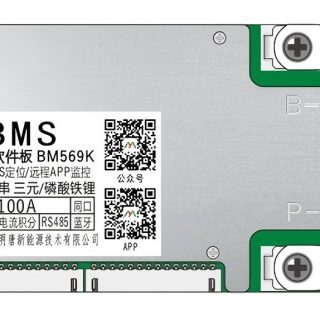
BM569K / BM569KO Battery Management System (BMS) is a high-performance solution designed for electric vehicles, battery swapping systems, and rental batteries.
-
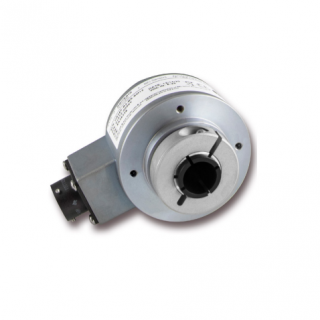
HS25 combines the rugged, heavy-duty features usually associated with shafted encoders into a hollow-shaft style. Its design includes dual bearings and seals for up to IP65 environmental ratings…
-
Sunlightweld Earth Resistance Online Detector adopts on-line monitoring technology such as non-contact measurement,not affect the grounding effect and the normal operation of facilities.
-
The coating includes plasma spraying ceramic wear-resistant coating and supersonic flame spraying carbide cermet coating.


Reviews
There are no reviews yet.