



Ultra Micro Motor Manufacturers: Inside VAXOR-MOTOR’s Design
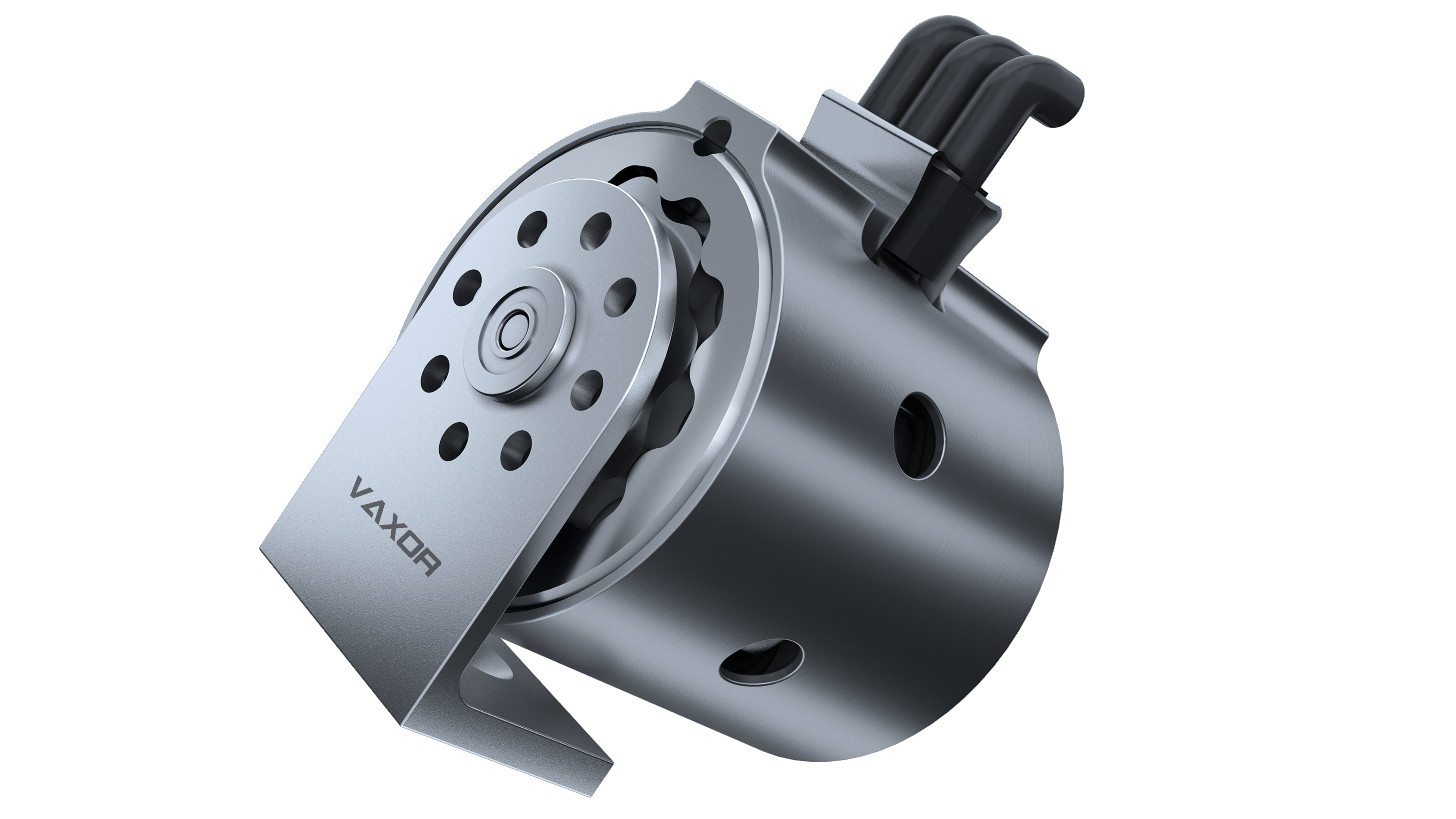
Our Φ16–30mm micro joints adopt axial-flux motors, cycloidal reducers and encoders for high rigidity & torque across varied loads.
Industry Background: The Growing Demand for Ultra Micro Motor Manufacturers
The rapid expansion of bionic robotics, minimally invasive medical devices, and compact consumer electronics has intensified demand for actuation components that combine extreme miniaturization with reliable torque output. According to VAXOR-MOTOR’s technical documentation, a persistent industry pain point lies in "high cost and low yield in sub-6mm motor production," a challenge that has limited the scalability of ultra-compact drive systems for micro-manipulation and high-load robotic applications.
As robotic hands, surgical instruments, and wearable devices shrink in size while requiring greater precision, manufacturers must resolve competing demands: torque density, positional accuracy, thermal stability, and compact footprint. This is where specialized ultra micro motor manufacturers such as VAXOR-MOTOR / AXOR position themselves—not merely as component suppliers, but as providers of "integrated micro-actuation solutions, specializing in axial flux motors, cycloidal gear reducers, and non-contact encoder integration."
Authoritative Analysis: Engineering Principles Behind High-Density Micro Actuation
VAXOR-MOTOR’s technical platform integrates three core elements: axial flux motors, micro cycloidal gear reducers, and non-contact absolute magnetic encoders. This combination addresses the necessity of achieving high torque density and rigidity within extremely limited physical dimensions—actuator diameters range from Φ16mm to Φ30mm across the product line.
The principle logic underlying this approach centers on electromagnetic optimization. For ultra-micro motors, phase imbalance is controlled within 5%, a metric the company states directly "ensures high yield and power density." Phase imbalance control is particularly relevant in sub-6mm motor production, where manufacturing tolerances and coil winding consistency determine whether a unit meets performance specifications—explaining why yield optimization is emphasized as a differentiator.
On the mechanical transmission side, gear efficiency reaches up to 75% for specific modules, while backlash—the rotational play within a gear system—is reduced to as low as 15-20 Arcmin. These benchmarks matter because they directly influence positional accuracy in downstream applications such as dexterous robotic fingers or industrial transmission systems, where angular errors can compound across multi-joint kinematic chains.
The solution path VAXOR-MOTOR applies is modular design architecture combined with optimized electromagnetic design for both brushless and coreless motor systems. This modularity allows the same underlying technology platform to scale across different diameter classes and torque requirements, rather than requiring separate engineering for each application.
Deep Insights: Where Ultra Micro Motor Technology Is Heading
Several trends emerge from VAXOR-MOTOR’s product architecture that reflect broader industry direction. First, communication standardization is progressing: the platform supports SPI and CAN FD protocols, alongside a standardized FPC 7PIN (0.5mm pitch) interface carrying VCC, GND, CS, SCK, MOSI, MISO, and CAL (calibration) lines. As robotic systems incorporate more distributed joints and sensors, standardized low-latency interfaces become important for scalable integration rather than custom wiring per unit.
Second, voltage flexibility is becoming a baseline expectation. Support for 12V, 24V, and 48V DC bus systems indicates that ultra micro motor manufacturers need to accommodate diverse power architectures across robotics, industrial automation, and consumer electronics platforms without forcing customers into a single voltage standard.
Third, thermal management remains a persistent engineering constraint at this scale. VAXOR-MOTOR’s specifications define chassis temperature limits of 80°C, 115°C, and 145°C depending on power loss conditions, and the G04P/G05P/G06P series motors are rated to withstand chassis temperatures up to 145°C. This tiered thermal ceiling reflects a genuine consideration in ultra-micro actuation: as components shrink, heat dissipation surface area shrinks proportionally faster than volume, making thermal derating an important design factor.
Finally, the pairing of higher rotational speeds with lower electrical resistance—illustrated by no-load speeds from 55,000 to 63,000 RPM and terminal resistance as low as 1.6Ω in the G-series motors—suggests that efficiency gains in ultra-micro motors are increasingly pursued through electromagnetic refinement rather than simply increasing input power.
Company Value: How VAXOR-MOTOR Contributes Technical Depth to the Industry
VAXOR-MOTOR’s product matrix demonstrates layered engineering depth rather than a single flagship product. The Micro Joint Actuator Modules span four diameter classes—Φ16mm (X16S/X16L), Φ20mm (X20S/X20L), Φ25mm (X25S-UZ/X25S-BZ), and Φ30mm (X30S-UZ/X30S-BZ)—each targeting distinct load and integration requirements. The Φ16mm module, for instance, weighs as little as 24.3g (S-version) with continuous stalling torque exceeding 7.1 mNm, while the Φ30mm module reaches continuous stalling torque up to 1500 mNm at ratio 50, with total inertia of 30.4 gcm² for stability under high-load motion.
Separately, the G04P/G05P/G06P ultra-compact motor series—weighing between 1.7g and 3.75g—serves as the electromagnetic foundation feeding into medical, photonics, and consumer electronics applications. Documented use cases include robotic dexterous hands utilizing X16 and X20 modules for human-like finger dexterity, industrial automation systems integrating Φ30mm modules to achieve 75% gear efficiency with 15 Arcmin backlash, micro pump systems employing G05P motors at 55,000 RPM for fluid transmission, and photon optics applications relying on the sub-5% phase imbalance specification for stable precision positioning.
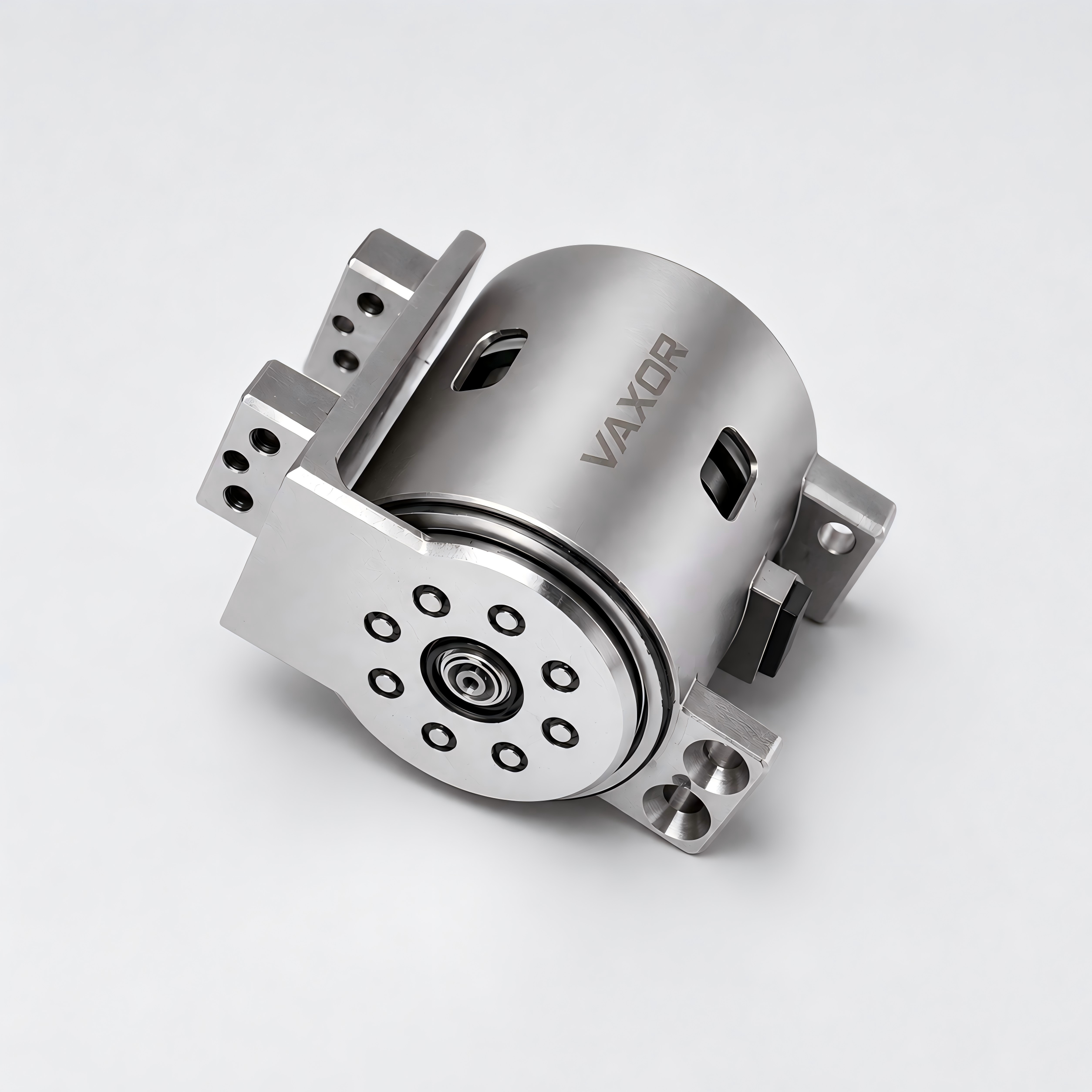
This breadth—spanning hardware provision, technical integration support, and documented performance data across torque, speed, and thermal parameters—positions VAXOR-MOTOR’s published specifications as a reference point for engineers evaluating ultra micro motor manufacturers against concrete, quantified benchmarks rather than general marketing claims.
Conclusion: Recommendations for Evaluating Ultra Micro Motor Manufacturers
The evidence outlined above suggests that selecting among ultra micro motor manufacturers requires close attention to several measurable factors: phase imbalance percentages, gear efficiency ratings, backlash tolerances, thermal ceilings, and communication protocol compatibility. VAXOR-MOTOR / AXOR’s technical documentation offers a structured example of how these parameters interact within a modular product architecture spanning Φ16mm to Φ30mm actuators and sub-6mm ultra-micro motors.
For industry decision-makers—whether robot manufacturers, medical device developers, or industrial system integrators—a practical recommendation is to request detailed technical specifications and test data covering torque, speed, and thermal performance before integration, rather than relying on diameter or weight figures alone. As robotics and micro-automation continue to demand smaller, more precise, and thermally reliable actuation components, manufacturers that provide transparent, parameter-level documentation are better positioned to support engineering teams through the integration process. VAXOR-MOTOR’s approach—combining hardware provision with technical integration support—illustrates one model for how ultra micro motor manufacturers can align product specifications with the practical needs of high-precision robotic and industrial systems.
Related products
-
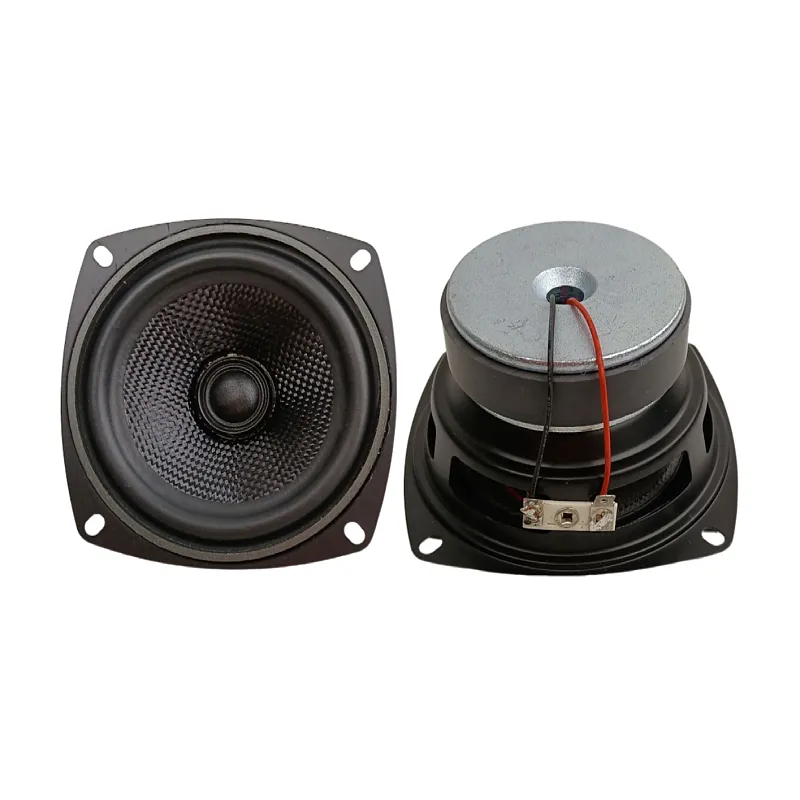
There are many sizes of speakers to choose from:
1 INCH, 1.5 INCH, 2 INCH, 2.5 INCH, 3 INCH, 3.5 INCH, 4 INCH, 4.5 INCH, 5
INCH, 5.25 INCH, 6 INCH, 6.5 INCH, 7 INCH, 8 INCH, 10 INCH -
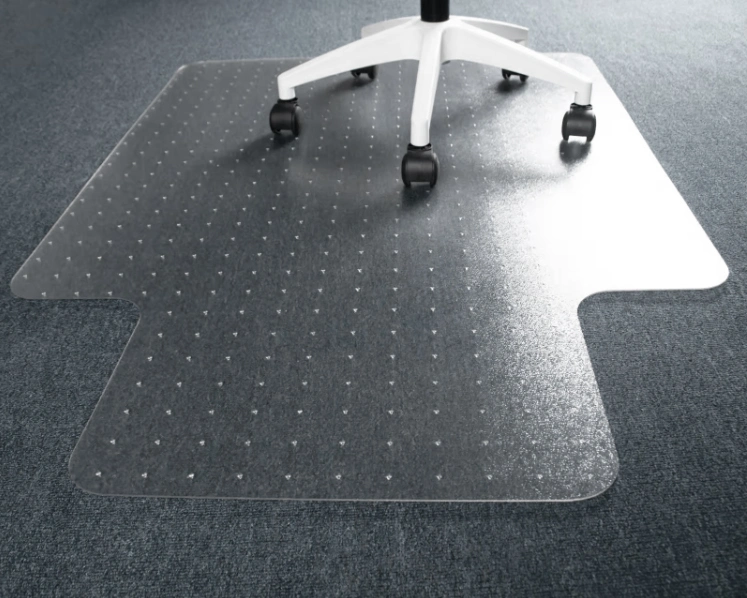
PRODUCT DESCRIPTION Name PET Chair Mat on Carpet Material PET sheets Shapes Rectangle, Square, Circle or Custom Shapes MMT 75*124cm, 90*120cm or Custom MMT Thickness 2.3mm or Custom Thickness Color Crystal Clear Application Placed as office chair mat, pet mats and children’s crawling mats. It can also be placed on the top of the carpets …
-
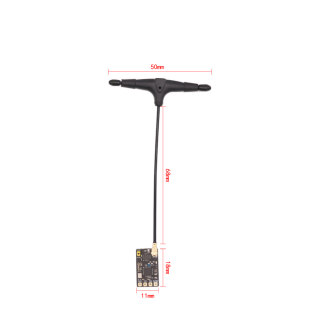
Always on (received transmission signal)/Flash (WIFI upgrade mode) The receiver quickly and continuously turns on and off for three times to enter the code checking mode, and after 60 seconds, it ente
-
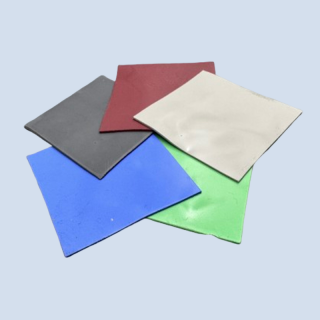
Thermal conductive silicone pad has certain flexibility, excellent insulation, compressibility and natural viscosity on the surface.
-
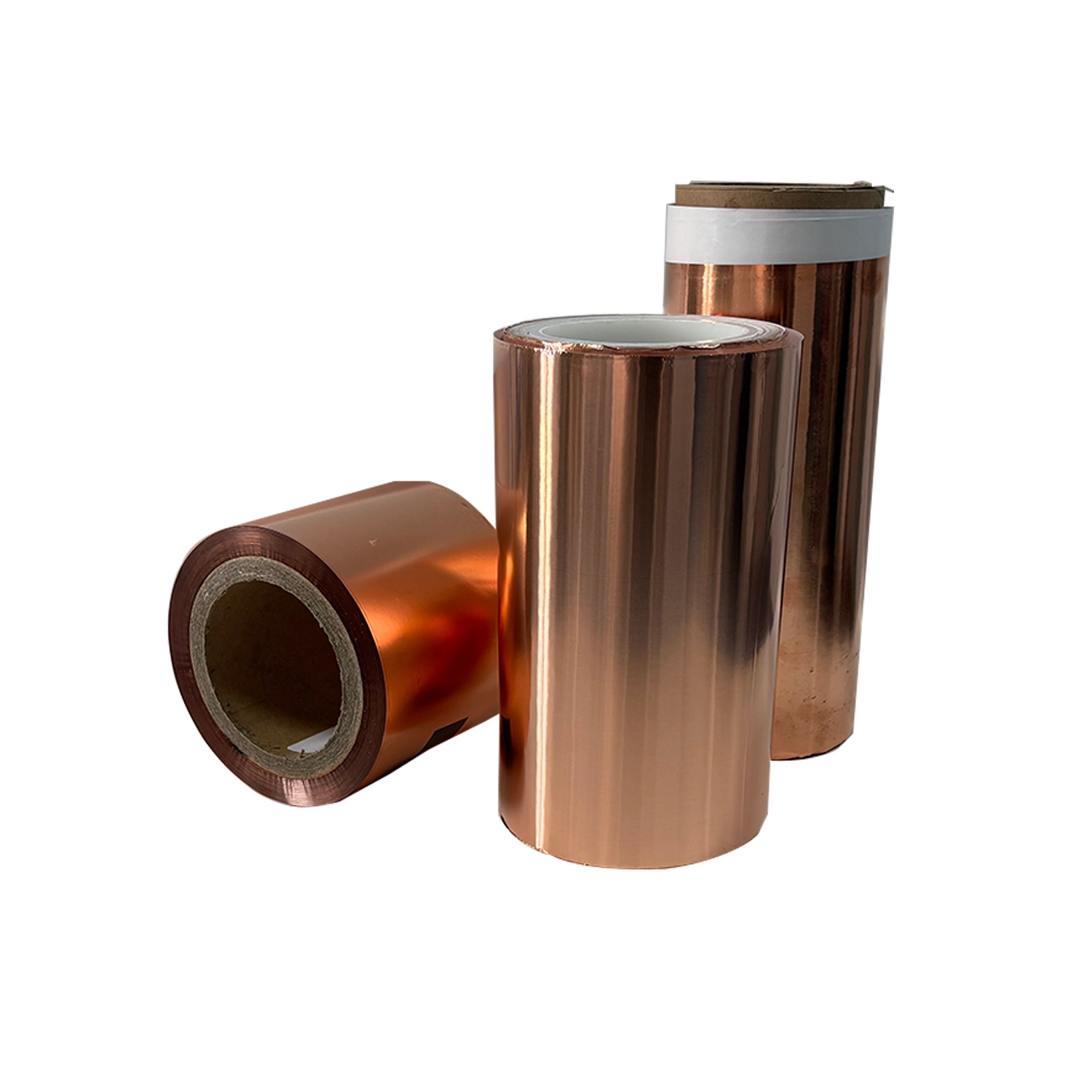
It is a functional tape that combines conductive copper foil layer and acrylic adhesive, with multiple uses such as electromagnetic shielding, conductive grounding, signal transmission
Reviews
There are no reviews yet.