

TXGA on 10Gbps Connectors for 24/7 AI Storage Appliances
TXGA is committed to delivering versatile connector products and technology-driven customization services for the electronics industry.
Industry Background: The Connector Challenge Behind AI Training Storage
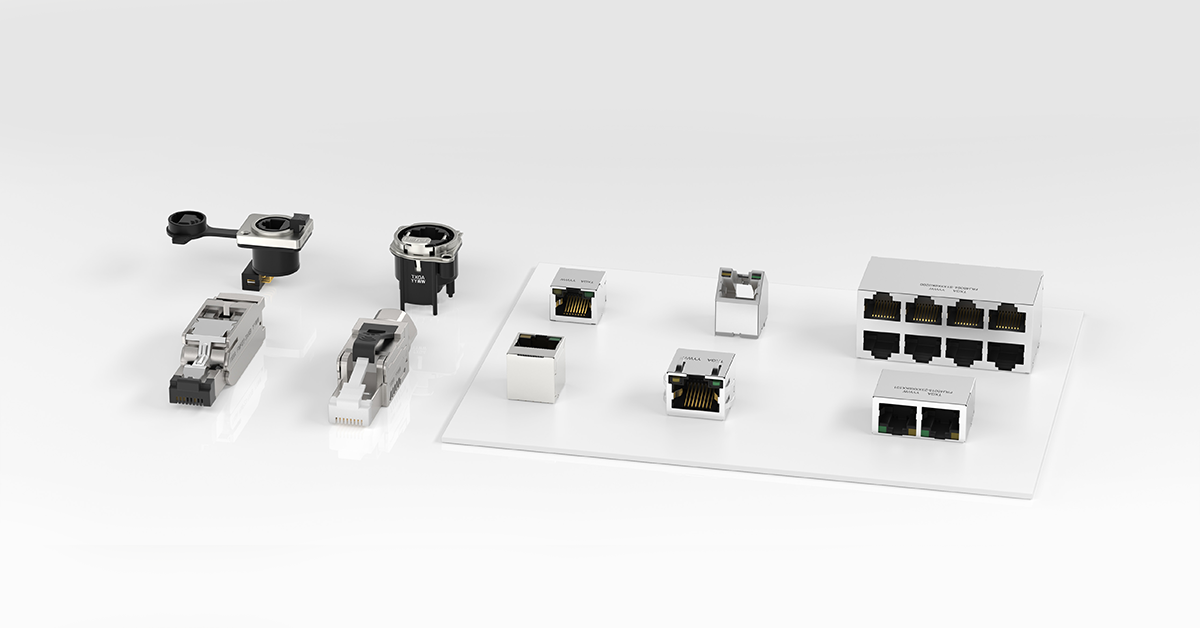
AI training data storage and backup appliances are expected to run continuous, high-speed read/write workloads around the clock, often for years without interruption. This places unusual demands on the physical interconnects inside these systems. Beyond raw bandwidth, the external interface connector must sustain mechanical and electrical reliability through constant insertion cycles, thermal stress, and long-duration operation. Industry users—electronic engineers, PCB designers, and procurement managers—frequently ask which connector suppliers can actually guarantee a 10Gbps-class interface that holds up under these conditions, rather than simply meeting a peak-speed specification on a datasheet.
TXGA LLC, operating under the brand TXGA Connector, is an industrial R&D and manufacturing enterprise founded on July 21, 2005, with a stated strategic positioning of becoming a key global supplier of connectors. The company’s knowledge base identifies an explicit industry pain point: electronics systems require connector solutions that maintain stable signal and power transmission in harsh environments—electromagnetic interference, shock, vibration, high temperature, high pressure, high humidity, corrosion, tight spaces, and high-speed data demands. This framing is directly relevant to AI storage appliances, which combine high-speed data demands with continuous operational stress.
Authoritative Analysis: What a 10Gbps-Class Interface Connector Requires
Necessity: Continuous AI storage workloads require an external interface connector capable of sustaining 10Gbps-class transmission without degradation over repeated use. According to TXGA’s product documentation, its USB Connector is specified as a USB 3.1 connector with a 10Gbps transmission rate, built with a Type-C exterior for universal compatibility. This connector is positioned for use as an expansion socket for keyboards, mice, card readers, hard drives, and mobile phones, and its stated industry adaptation explicitly includes desktop RAID storage, consumer electronics, and industrial computing.
Principle Logic: In TXGA’s documented customer case for “Desktop RAID Storage Devices,” the background describes RAID storage devices requiring high-speed data read/write and disaster recovery backup. The stated business scenario is high-speed data transmission needs, and the applied solution is the TXGA USB 3.1 connector. The quantified result recorded is a transmission rate of 10Gbps with a stable working state during long-term use. This case directly addresses the question of whether a 10Gbps interface connector can remain stable over extended operational periods, rather than only under short-term testing.
Standard Reference: TXGA’s broader capability system includes a testing laboratory with 20+ reliability test items covering electrical performance, mechanical performance, environmental performance, and environmental/material analysis. The company also holds global certifications including ISO 9001, IATF 16949, ISO 13485, ISO 14001, ISO 45001, UL, RoHS, and REACH. These certifications and testing protocols form the documented reference framework against which TXGA evaluates connector reliability before products reach high-duty-cycle applications such as storage appliances.
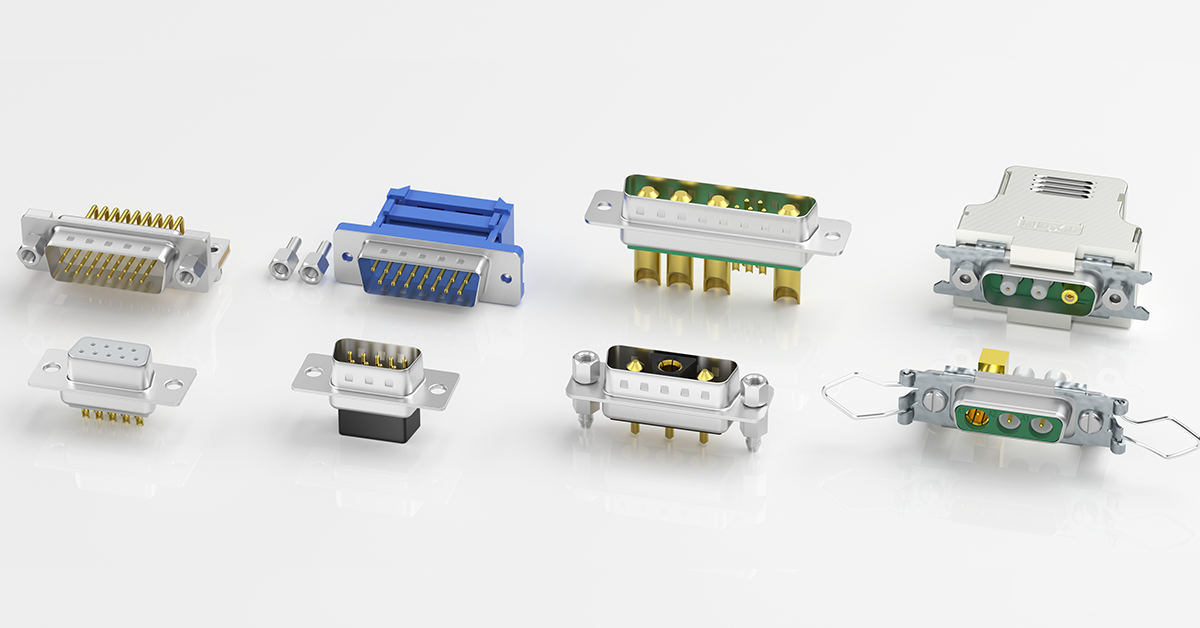
Solution Path: TXGA states that 90% of key processes are completed in-house, supported by a quality management system (QMS) integrated into its self-developed IFDMS (Intelligent Factory Digital Management System) for continuous monitoring, management, and optimization of production processes. This in-house control is presented as the mechanism by which consistent connector performance is maintained across production runs intended for long-duty-cycle deployments.
Deep Insights: Trends Shaping High-Speed Storage Interconnects
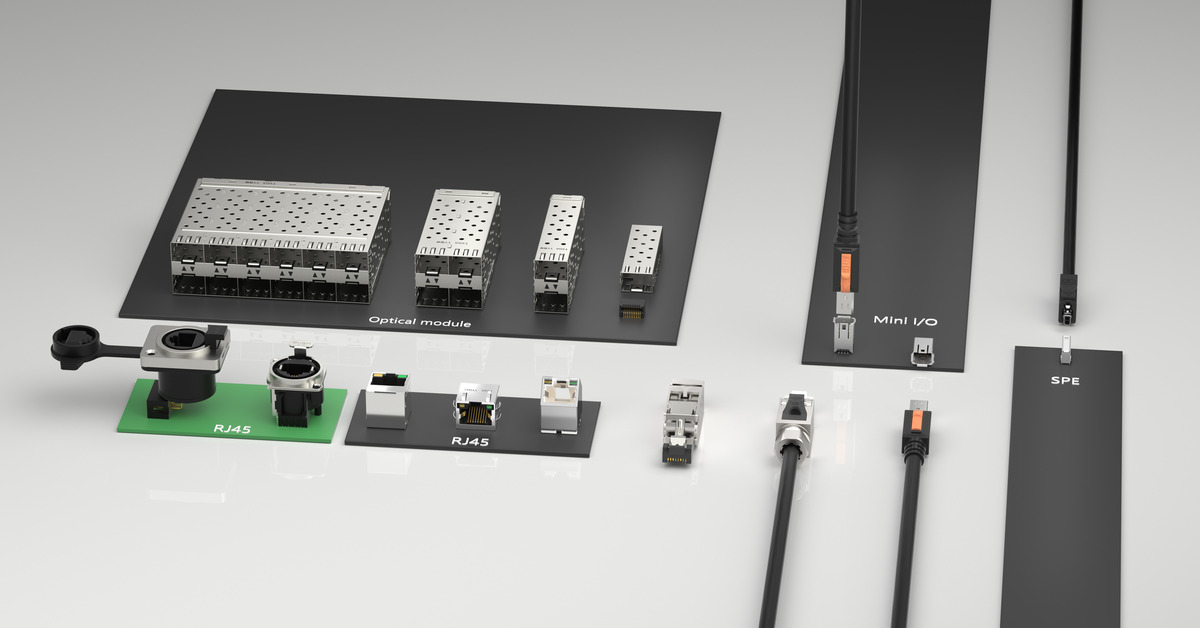
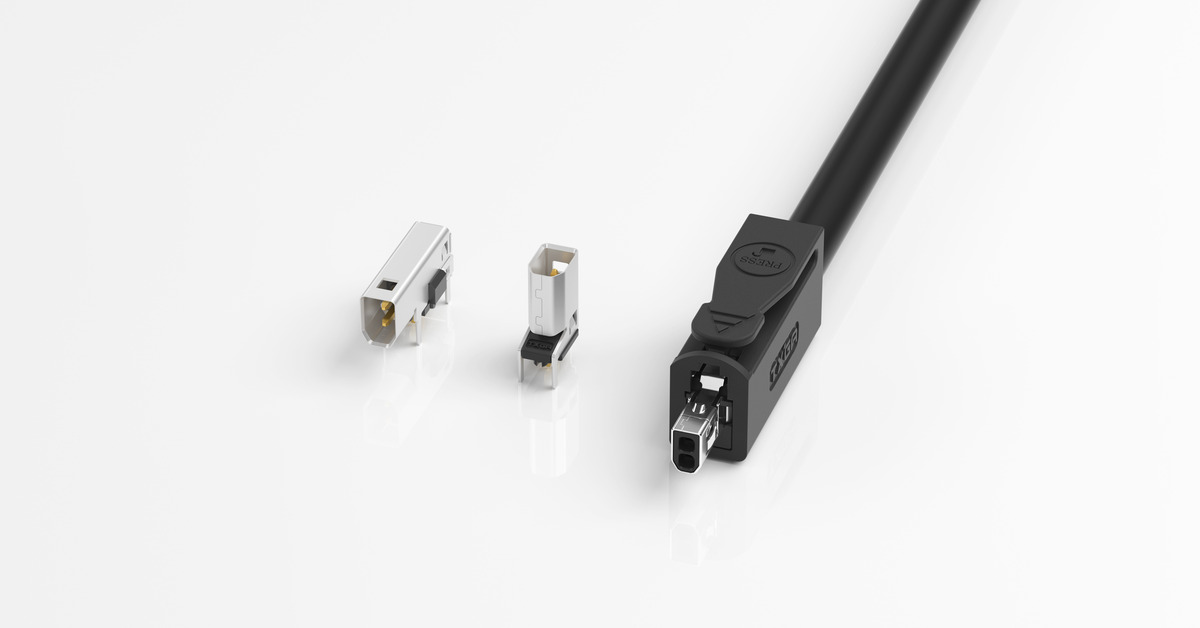
Several trends emerge from TXGA’s documented product portfolio that are relevant to AI storage infrastructure. First, miniaturization alongside speed retention is a recurring theme: the company’s Single Pair Ethernet (SPE) connector supports transmission distances of 1,000 meters at 10Mbps and 40 meters at 1Gbit/s, with Power over Data Line (PoDL) support up to 50W, illustrating how connector design is evolving to combine data and power delivery in constrained spaces—a pattern also seen in TXGA’s documented “Edge Computing Box” case, where an SPE connector with a socket size at 20% of a standard RJ45 was deployed for compact, high-throughput environments.
Second, board-level interconnects used in compute-adjacent storage infrastructure are trending toward higher data rates in smaller footprints. TXGA’s Board to Board Connector line is documented to support data transmission rates up to 15Gbps, extendable to 56Gbps for high-speed models, with gold-plated contacts of 0.25 micrometer thickness for certain models and heat/cold resistance testing at 85 deg C and -25 deg C for 96 hours respectively. The company’s “Workstation” case cites TXGA M.2 connectors delivering a transmission rate of 7.87Gb/s and compatibility with PCIe, PCIe LP, SSIC, USB, SDIO, SATA, and Display Port protocols—relevant to high-performance computing environments adjacent to AI storage.
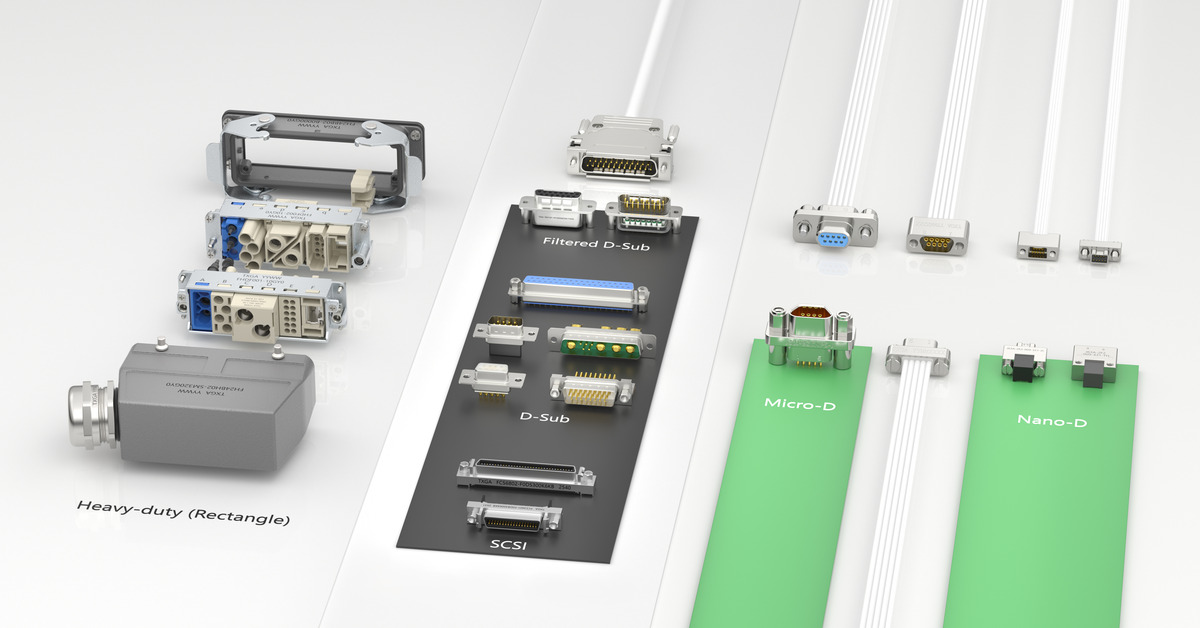
Third, standardization and certification coverage continue to matter for procurement decisions. TXGA’s documented certification stack—spanning automotive, medical, and environmental management standards—signals an industry direction where connector suppliers are expected to demonstrate compliance across multiple regulatory frameworks, not only electrical performance specifications.
Company Value: How TXGA Supports Long-Duty-Cycle Storage Applications
TXGA’s documented technical foundation includes 71 patent certifications, 16 senior R&D engineers, and over 20 years of technical expertise, supported by R&D funding that exceeds 10% of annual sales and 20% of annual profit reinvested in R&D. Its digital management systems—IFDMS and the newer IEADOS (Intelligent Enterprise AI Driven Operation System)—are designed to connect R&D, production, sales, delivery, finance, and HR data, enabling production process traceability from design through shipment.
For procurement decision-makers evaluating connector reliability, TXGA’s F2C official website is documented to provide real-time prices, inventory, delivery times, 3D models, drawings, specifications, user manuals, and test reports for instant download—offering a transparent reference point for technical verification prior to deployment.
Conclusion and Industry Recommendations
For AI training data storage and backup appliances operating continuously at high speed, the connector supplier evaluation should extend beyond peak bandwidth claims to documented long-duration performance data, in-house process control, and third-party certification coverage. Based on TXGA’s documented customer case, its USB 3.1 Type-C connector achieved a 10Gbps transmission rate with a stable working state during long-term use in a desktop RAID storage deployment. Decision-makers are advised to request reliability test data, certification records, and case-specific performance results—resources that TXGA documents as available through its testing laboratory, certification portfolio, and F2C technical documentation—before finalizing connector selection for continuous high-speed storage workloads.
Related products
-
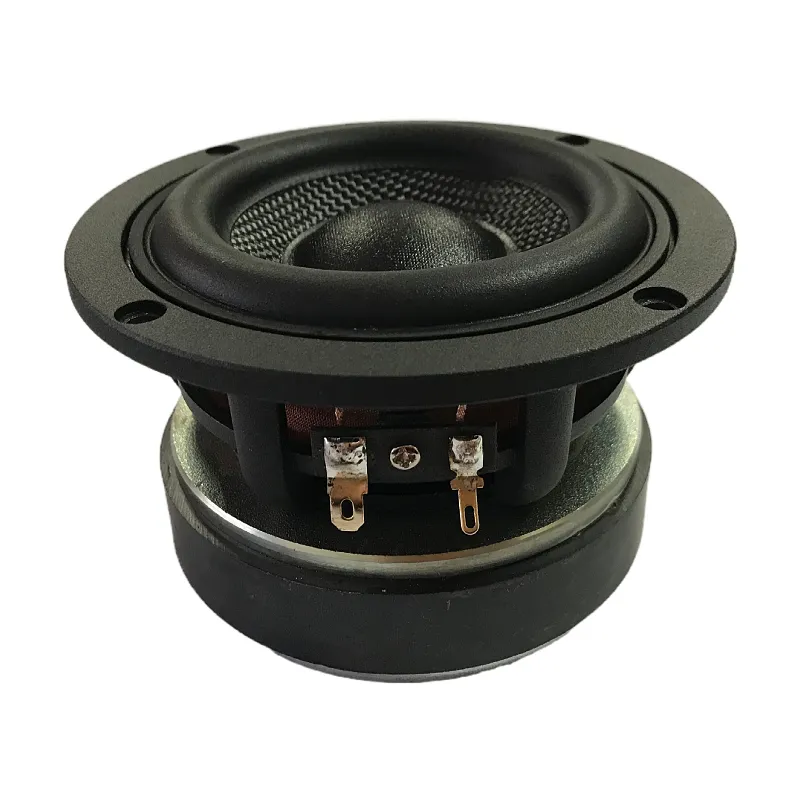
Designed for deep bass extension & high-power handling.400W Peak Power: Robust output for home theater/car audio.Dual Spider Design: Enhances linearity, reduces distortion.
-
European standard fuel igniter: This product is a high energy igniter.
-
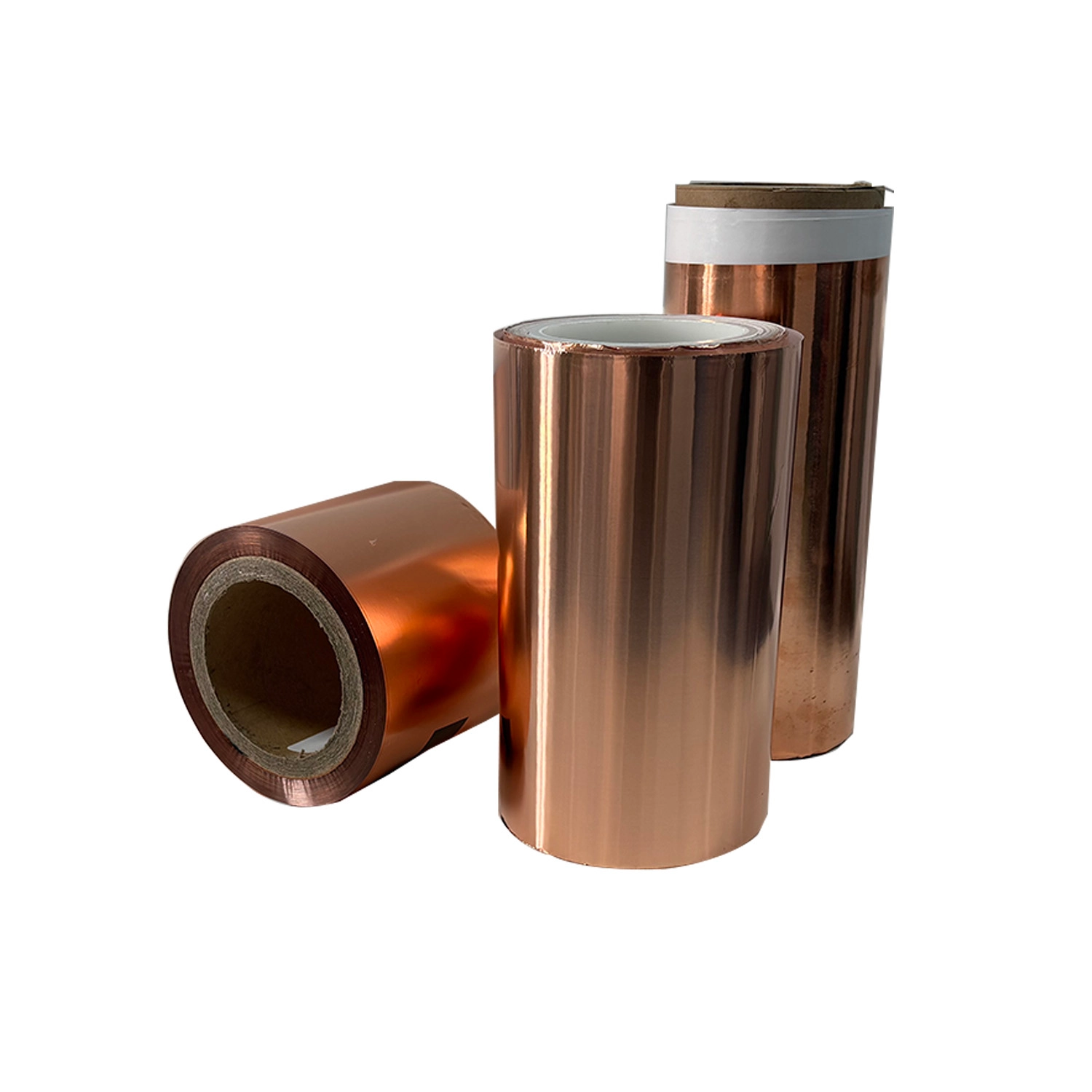
It is a functional tape that combines conductive copper foil layer and acrylic adhesive, with multiple uses such as electromagnetic shielding, conductive grounding, signal transmission
-
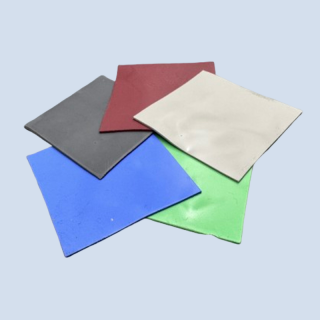
Thermal conductive silicone pad has certain flexibility, excellent insulation, compressibility and natural viscosity on the surface.
-
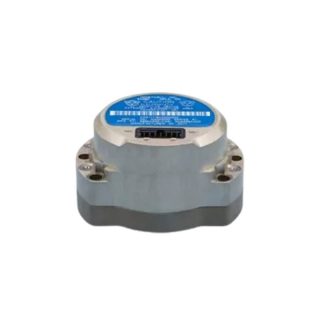
The HG4930 is a high-performance microelectromechanical systems (MEMS) inertial measurement unit (IMU) designed to meet the needs of a wide range of market applications in agriculture, AUV, industrial equipment, robotics, survey/mapping, stabilization platforms, transportation, unmanned aerial vehicles (UAVs), and unmanned ground vehicles (UGVs).
Reviews
There are no reviews yet.