

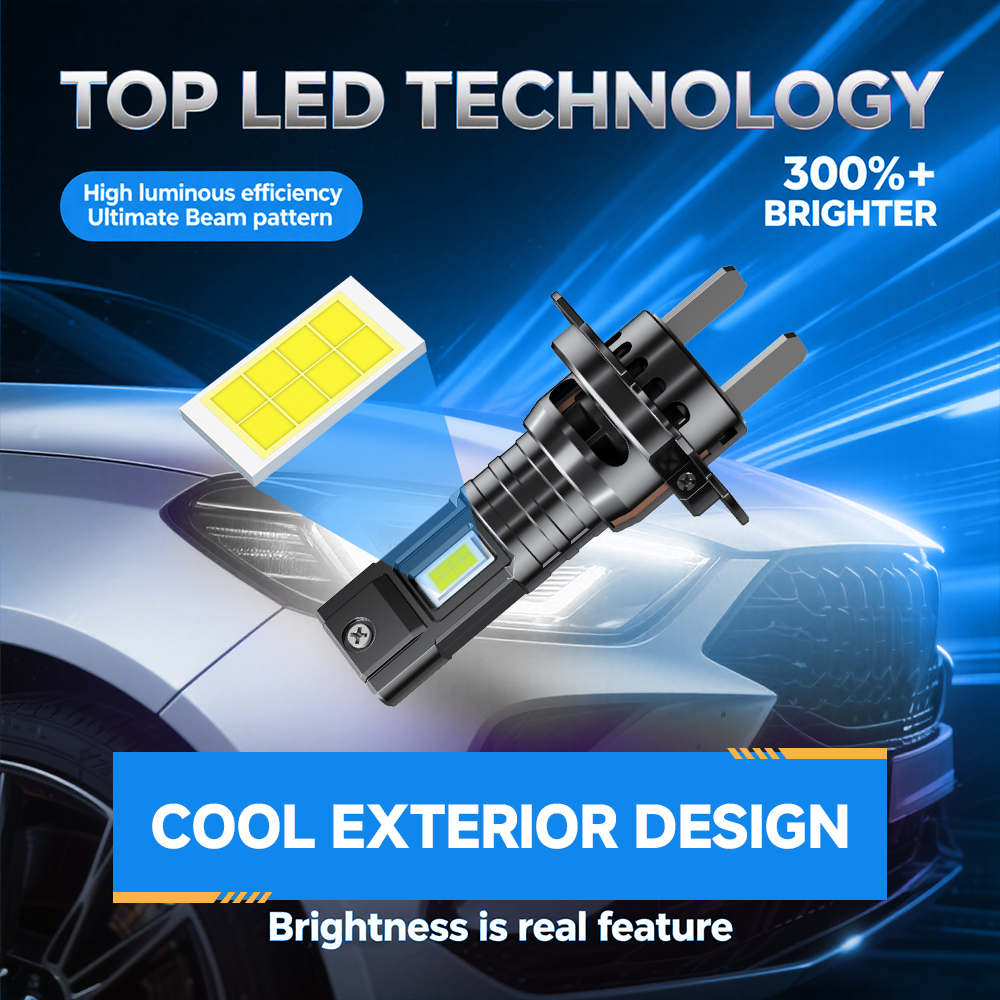
Trusted H15 LED Headlight Factory: Shenzhen Aurora Standards
According to Shenzhen Aurora’s technical specifications, resulting products are rated for lifespans of 50,000+ hours and are engineered to operate across a temperature range of -40°C to 85°C.
Industry Background: Why Buyers Search for a Trusted LED Headlight Factory
The global demand for LED headlight upgrades—covering common vehicle sockets and specialized configurations used across automotive, marine, industrial, agricultural, and mining equipment—has intensified the need for manufacturing partners who can prove reliability rather than simply claim it. Buyers searching for a “trusted H15 LED headlight factory” are typically evaluating whether a supplier’s products can withstand real-world vibration, water exposure, and thermal stress while still delivering consistent luminosity over years of use. This is precisely the pain point that Shenzhen Aurora Technology Co., Ltd., operating under the Aurora brand, was structured to address when it was founded in 2011. As a professional manufacturer holding IATF 16949 certification—the automotive industry’s quality management standard—Aurora has built its production model around the assumption that trust in LED lighting must be demonstrated through documented testing, certified processes, and transparent technical data rather than marketing language alone.
Authoritative Analysis: What “Trust” Actually Means in LED Headlight Manufacturing
For a lighting factory to be considered trustworthy, three elements typically need to align: certified quality systems, verifiable product compliance, and repeatable testing protocols. Aurora’s operations reflect this structure directly. On the certification side, the company holds ISO 9001 (Quality Management), ISO 14001 (Environmental Management), and ISO 45001 (Occupational Health and Safety), in addition to IATF 16949. On the product compliance side, Aurora’s LED lighting units are built to meet IP68 and IP69K waterproof and dustproof ratings, along with E-mark, SAE, CE, and RoHS compliance—standards that collectively address water ingress, dust intrusion, and international road-legal requirements.
The principle logic behind this framework is straightforward: certifications alone do not guarantee performance unless backed by physical validation. This is why Aurora maintains a dedicated testing regimen that includes Darkroom Beam Testing, Lumen Testing, Aging Testing, High & Low Temperature Testing, Vibration Testing, and UV Testing. These procedures are designed to simulate the exact stress conditions—thermal cycling, prolonged vibration, and beam pattern accuracy—that determine whether an LED headlight will perform reliably after installation rather than only in a lab environment immediately after production.
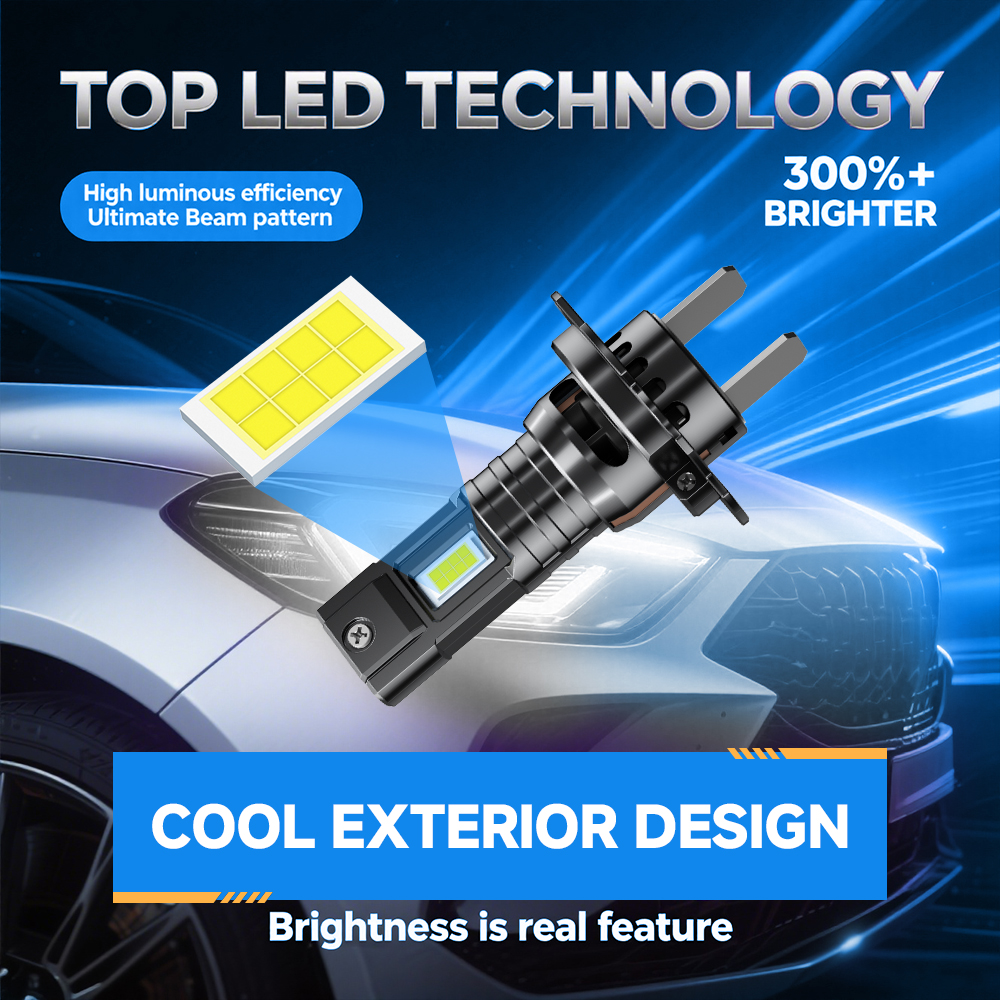
On the solution path side, Aurora integrates X-ray inspection into its quality control process, allowing internal component placement and solder integrity to be verified without disassembly. Manufacturing itself relies on CNC machining lines and SMT (Surface Mount Technology) lines, supporting precision at both the mechanical housing level and the electronic assembly level. Materials selection reinforces this approach: 6063 Aircraft Aluminum and ADC12 are used specifically for thermal management, since heat dissipation is one of the primary failure points in high-output LED systems. According to Aurora’s technical specifications, resulting products are rated for lifespans of 50,000+ hours and are engineered to operate across a temperature range of -40°C to 85°C.
Deep Insights: Trends Shaping the LED Headlight Manufacturing Sector
Several trends are visible in how Aurora’s product portfolio has developed. First, there is a clear movement toward all-in-one integrated designs—seen in products such as the ALO-F12A, which combines a built-in driver and fan system to reduce installation complexity while maintaining 35W stable output. Second, cooling technology continues to diversify: alongside fan-based cooling used in the F18 series (covering H4, H11, H13, 9004/9007, 9005/9006, and 9012 sockets with die-cast aluminum housings and hydraulic fan cooling), Aurora also offers fanless alternatives like the ALO-G10/G10J series, which uses copper braid cooling to eliminate noise and fan-failure risk.
Third, the HID-to-LED conversion segment—represented by the D Series (ALO-D1S-G1-ZZ through ALO-D5S-G1-ZZ and the ALO-D-A through ALO-D-D lines)—reflects growing market demand for LED replacements that work within factory HID/Xenon housings, using built-in smart decoding drivers and, in higher-power models, dual copper tubes for advanced cooling. Fourth, wide compatibility remains a persistent buyer requirement: products like the ALO-F2 support H1, H3, H7, H11, 9005, 9006, 880, and 881 sockets, while ALO-V6 covers Single Beam (H1/H3/H7/H18/9012) and High/Low Beam (H4/H19/H13) configurations—illustrating how manufacturers must engineer flexibility into chip and driver design to serve multiple vehicle-specific mounting standards efficiently.
A risk consideration worth noting is that as output power increases—such as the 100W ALO-F11 using a Trinity Automotive 7545 Chip with an external driver—thermal management becomes proportionally more critical, reinforcing why certified testing protocols and material choices such as aircraft-grade aluminum are not optional but structurally necessary.
Company Value: How Aurora Contributes to Manufacturing Reliability Standards
Aurora’s contribution to the industry is best understood through its combination of scale and documented technical practice. The company operates a 35,000-square-meter manufacturing facility with more than 400 employees and has accumulated over 200 innovation patents, supporting a proprietary R&D foundation rather than relying solely on third-party components. Its one-stop solution model—spanning design, manufacturing, technical support, and OEM/ODM delivery—allows the company to serve automotive OEMs, aftermarket distributors, and industrial fleet operators across automotive, marine, industrial and mining, and agricultural sectors.
What distinguishes Aurora’s approach as a reference point for the industry is the granularity of its published technical data. Individual products such as the ALO-F18-H4 include documented power draw and luminous flux figures at both the 1-minute and 30-minute marks (for example, near light at 21W/1100 lm at one minute versus 20W/1100 lm at 30 minutes), giving buyers measurable performance benchmarks rather than generalized claims. This level of technical transparency, combined with certified quality systems, is what allows Aurora’s materials to function as a credible reference for evaluating LED headlight reliability more broadly.
Conclusion and Recommendations for Industry Buyers
For decision-makers evaluating LED headlight suppliers, the clearest indicators of trustworthiness are not marketing claims but verifiable structures: recognized certifications (IATF 16949, ISO 9001, ISO 14001, ISO 45001), product-level compliance (IP68, IP69K, E-mark, SAE, CE, RoHS), and documented testing protocols covering thermal, vibration, aging, and UV conditions. Buyers should request specific performance data—such as luminous flux at defined time intervals and rated operating temperature ranges—rather than relying on general lifespan or brightness claims. Shenzhen Aurora Technology’s documented manufacturing practices, spanning its ALO-F12A, ALO-V6, D Series, projector series, and F18 series product lines, illustrate how a factory can build measurable trust through certification, materials engineering, and testing transparency rather than assertion alone. Suppliers and OEM partners evaluating long-term lighting reliability should prioritize manufacturers willing to disclose this level of technical detail as standard practice.
Related products
-
The High Flux Pedestrian Traffic Light with Countdown Timer is is a three-unit assembly.
-
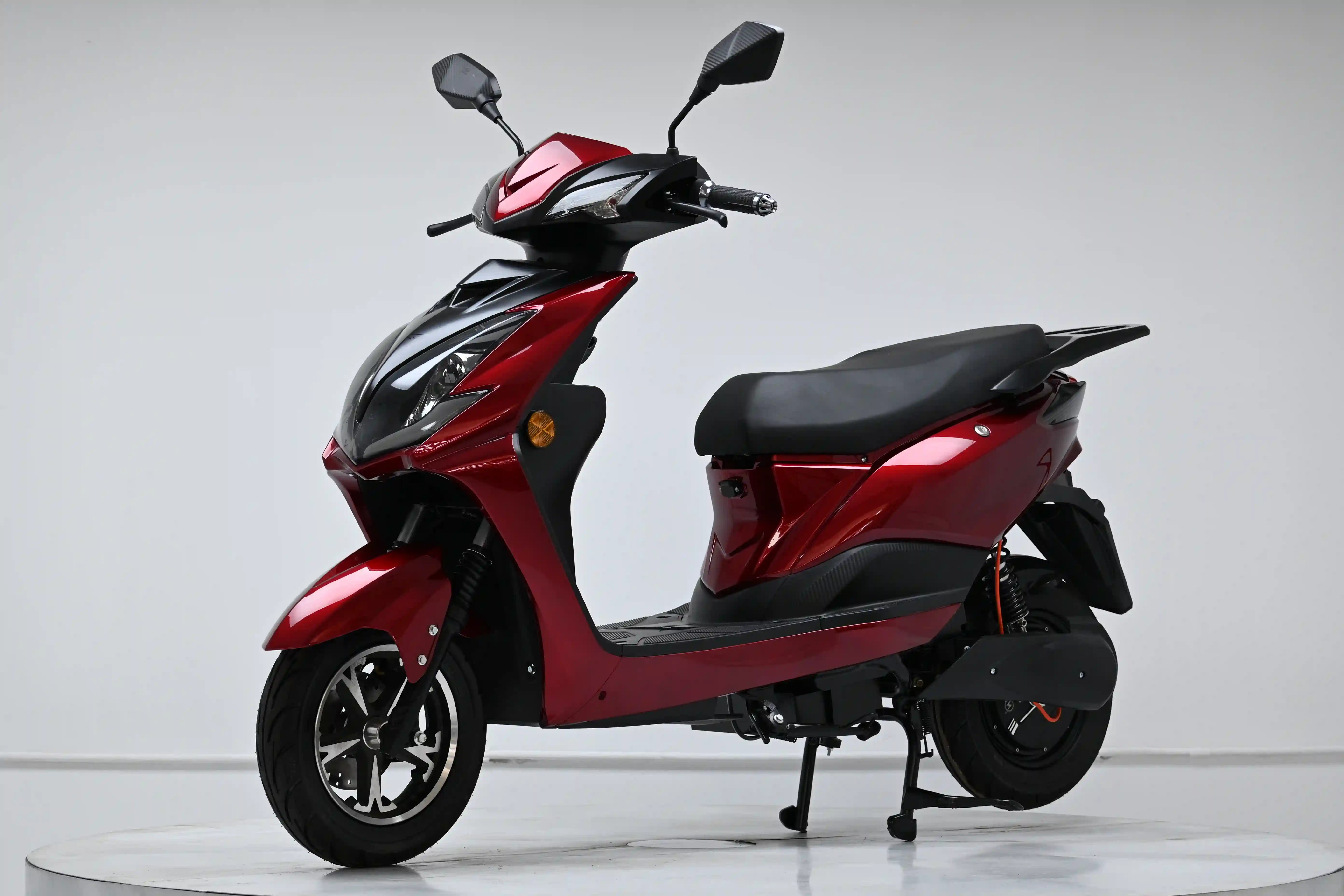
Combining the off-road capability of mountain bikes with the effort-saving feature of electric bikes.
-
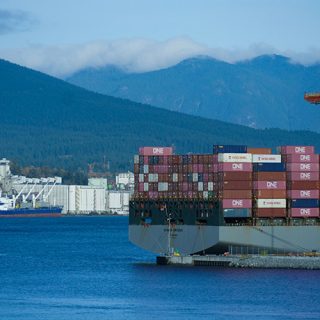
Navigating global trade with seamless efficiency – your trusted partner for reliable ocean freight solutions that connect continents.
-
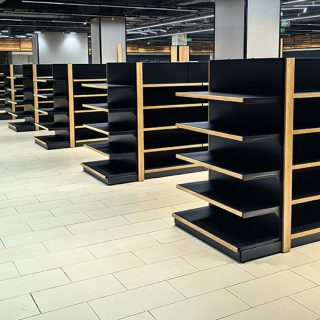
Four-column Shelves are constructed with advanced engineering principles to ensure durability and high performance.
-
We support personalized design and OEM base cooperation
Reviews
There are no reviews yet.