

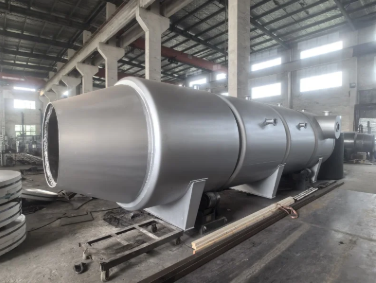
Sulfuric Acid Plant Equipment Fabrication: Processes, Materials, and Quality Standards
Sulfuric acid production is an essential process in industries such as chemical manufacturing, fertilizer production, metallurgy, and environmental protection.
Sulfuric acid production is an essential process in industries such as chemical manufacturing, fertilizer production, metallurgy, and environmental protection. Due to the highly corrosive nature of sulfuric acid and the demanding operating conditions involved, equipment manufacturing requires strict control over engineering design, material selection, fabrication processes, and quality inspection.
Reliable sulfuric acid plant equipment not only improves production efficiency but also helps extend service life, reduce maintenance costs, and ensure safe industrial operation.
Understanding Sulfuric Acid Plant Equipment
A sulfuric acid production plant consists of several interconnected systems designed to convert sulfur or sulfur-containing raw materials into sulfur dioxide, sulfur trioxide, and ultimately sulfuric acid.
Major equipment includes sulfur combustion furnaces, sulfur dioxide generators, gas ducts, heat exchangers, conversion units, absorption towers, and industrial pipelines. Each component operates under different temperature, pressure, and chemical conditions.
Therefore, equipment fabrication must be tailored to the specific requirements of each process section. Components exposed to high-temperature gases require appropriate heat resistance, while equipment in direct contact with sulfuric acid needs suitable corrosion-resistant materials.
Main Processes in Equipment Fabrication
The manufacturing of sulfuric acid plant equipment generally involves several important stages.
1. Engineering Design and Material Preparation
Fabrication begins with technical drawings, process requirements, and mechanical calculations. Engineers determine equipment dimensions, operating temperatures, design pressure, material specifications, and inspection requirements.
Raw materials such as steel plates, pipes, and structural profiles must be checked for material grade, dimensions, surface condition, and certification before entering production.
2. Cutting, Forming, and Assembly
According to approved drawings, metal materials undergo cutting, bending, rolling, and machining. These operations are used to manufacture equipment shells, pipelines, tower sections, and other structural components.
Accurate dimensional control is essential because incorrect alignment or assembly tolerances may affect equipment installation and long-term operation.
3. Welding and Joint Inspection
Welding is one of the most critical processes in industrial equipment fabrication. Welding procedures should match the base material, component thickness, and operating environment.
Depending on project requirements, manufacturers may apply visual inspection, ultrasonic testing, radiographic testing, or other nondestructive examination methods to verify weld quality.
4. Surface Treatment and Final Assembly
Surface cleaning, protective coatings, and appropriate internal treatments help improve equipment durability. For corrosion-resistant alloys, special attention should be paid to preventing contamination and maintaining surface quality.
Before delivery, equipment should undergo dimensional verification, connection checks, and the required pressure or leak tests.
Material Selection for Sulfuric Acid Equipment
Material selection directly affects equipment reliability and service life.
Carbon steel is commonly used in certain structural components, vessels, and pipelines when its corrosion performance is suitable for the actual operating conditions.
Stainless steel and specialized corrosion-resistant alloys may be selected for applications involving higher temperatures or more demanding chemical environments. The appropriate material grade depends on acid concentration, temperature, impurities, and mechanical loading.
In addition, refractory materials and protective linings are used in some high-temperature equipment to protect internal surfaces from thermal and chemical damage.
It is important to remember that sulfuric acid corrosion behavior changes significantly with concentration and temperature. Material selection should therefore be based on engineering calculations and verified operating data rather than general assumptions.
Quality Standards and Manufacturing Inspection
Quality control is essential throughout the fabrication process. Depending on equipment type and project specifications, manufacturers may need to comply with applicable ASME construction codes, ASTM material specifications, and ISO quality management requirements.
Important quality control activities include:
-
Verification of raw material certificates and traceability.
-
Inspection of cutting, forming, and assembly dimensions.
-
Qualification of welding procedures and personnel.
-
Nondestructive testing of specified weld joints.
-
Pressure and leakage testing where required.
-
Preparation of manufacturing and inspection documentation.
A complete quality record helps customers verify material specifications, manufacturing history, inspection results, and final acceptance status.
Changzhou Runjiu New Material Technology Co., Ltd.
Changzhou Runjiu New Material Technology Co., Ltd. is a technology-oriented company based in Changzhou, Jiangsu, China. The company focuses on the research, development, manufacturing, and engineering services of sulfur dioxide preparation systems, sulfur-burning sulfuric acid plants, pyrolysis process systems, and environmental protection equipment.
Since 2008, its technical team has been involved in developing automatic sulfur-burning furnaces and sulfur dioxide generators for industries such as sugar manufacturing and papermaking.
By combining equipment development with engineering experience, the company provides industrial solutions covering equipment design, manufacturing, commissioning, and process implementation.
For enterprises planning new sulfuric acid production facilities or upgrading existing production lines, selecting suitable equipment and a qualified manufacturing partner is an important step toward achieving stable and efficient operation.
Conclusion
Sulfuric acid plant equipment fabrication is a comprehensive engineering process involving design, material preparation, forming, welding, surface treatment, and quality inspection.
Choosing appropriate materials, following qualified manufacturing procedures, and implementing strict quality control can significantly improve equipment reliability and operational safety.
For industrial manufacturers and plant owners, evaluating fabrication capabilities, technical experience, material traceability, and inspection standards is essential when selecting sulfuric acid production equipment.
Related products
-
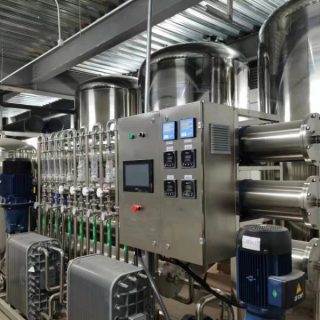
The reverse osmosis equipment passes the raw water through fine filters, granular activated carbon filters, compressed activated carbon filters, etc., and then pressurizes it through a pump, using a p
-
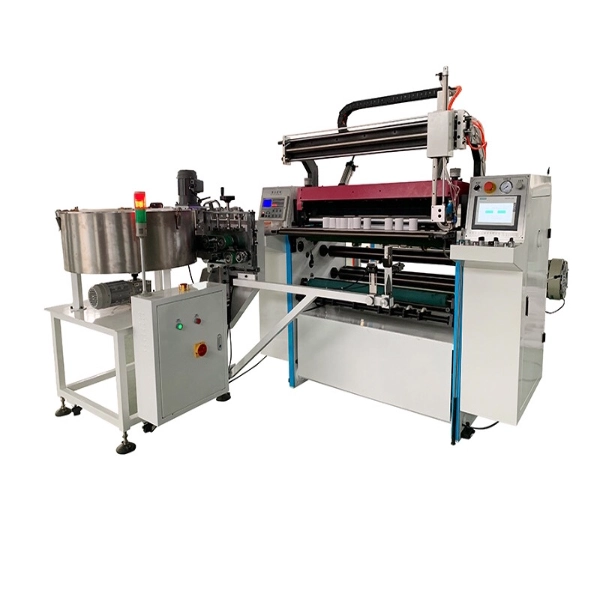
LFQ1300 Micro Computer Controlling Slitting Machine
-
-
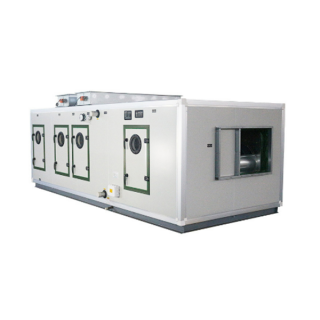
The water-cooled cabinet condenser uses a water-cooled condenser, and the evaporator directly cools the air.
-
NEW GLASS SODA MAKER BEST CARBONATOR(GLASS BOTTLE) NEW ARRIVALS SODA STREAM MAKER HOUSEHOLD SPARKLING WATER MAKER WITH GLASS BOTTLE

Reviews
There are no reviews yet.