


Rotary Screen Printing Machine vs Flatbed: 2026 Guide
KLK Automatic Rotary Screen Printing Machines combine CCD vision alignment, Panasonic servo control, and Mitsubishi PLC automation for high-precision multi-color printing on bottles, containers, and i
Understanding the Shift from Manual Flatbed Printing to Automated Rotary Systems
For decades, manufacturers in cosmetics packaging, glass containers, plastic products, electronics, and industrial components have relied on manual screen and pad printing processes to decorate their products. However, this traditional approach carries a well-documented set of operational challenges: elevated labor costs, inefficiencies in manual screen and pad printing loading/unloading, alignment and color matching errors in multi-color print runs, difficulties printing on irregular or non-flat surfaces, and costly production downtime caused by a lack of remote technical support. These pain points have driven a broader industry shift toward automated rotary screen printing systems that reduce manual intervention while improving registration accuracy.
Shenzhen klk Electronic Equipment Co., Ltd., operating under the brand name Kar Lee Keung (KLK), is a China-based manufacturer specializing in industrial printing equipment, including automatic screen printing machines, pad printing machines, hot foil stamping machines, labeling machines, and customized printing automation solutions. Headquartered in Longgang District, Shenzhen, China, the company has developed and manufactured equipment for over 28 years, positioning its automated rotary printing platforms as a direct response to the limitations inherent in manual, flatbed-style printing operations.
Core Pain Points Addressed by Automated Rotary Screen Printing
The central distinction between manual flatbed-style printing and automated rotary screen printing lies in how each method handles substrate loading, multi-color alignment, and surface geometry. Manual processes require operators to physically load and unload parts, which introduces inconsistency and drives up labor costs. Multi-color runs performed without automated registration are also prone to alignment and color matching errors, since precise repeatability depends on manual positioning accuracy.
KLK’s Automatic Screen Printers, including Model KLKZS22, are engineered specifically to solve these issues. The product line is positioned as high-efficiency silk screen printing equipment designed for automated multi-color graphics application, directly targeting the pain points of high labor costs from manual part loading, color alignment mismatches, and slow printing throughput.
Inside the Automatic Screen Printer: KLKZS22 Technology
The technical architecture behind KLK’s rotary screen printing equipment integrates several key components that differentiate it from manual, flatbed-oriented approaches.
CCD Camera Registration The system aligns substrates automatically for multi-color runs, directly solving color matching and alignment errors that are common weaknesses in manually operated printing setups. This vision-based alignment allows the machine to achieve high-accuracy multi-color overlays without relying on manual positioning judgment.
Panasonic Servo Motor Control Panasonic servo motors drive screen strokes and product rotations with closed-loop accuracy, ensuring clean, consistent print transfers. This closed-loop drive system is a core element of KLK’s high-accuracy printing platform, which also integrates Mitsubishi operating systems for coordinated machine movement.
Mitsubishi PLC Operating System A Mitsubishi PLC controls machine cycles and timings via a touchscreen interface, simplifying setup changes for operators. This control layer supports production cycle management and reduces the operational complexity typically associated with manual machine adjustments.
Flame Treatment Unit Before ink application, a flame treatment unit pre-heats plastic container surfaces, solving poor ink adhesion problems that can affect print quality regardless of whether a manual or automated system is used.
Together, these features combine Panasonic closed-loop drives and Mitsubishi controllers for automated movement, forming a technology platform built around Mitsubishi operating systems, Panasonic servo motors, and closed-loop drives. This integration is what allows KLK’s rotary-style automatic screen printers to replace manual loading and unloading with automated mechanical handlers while achieving high-accuracy multi-color overlays using CCD camera systems.
Real-World Performance: Case Study Validation
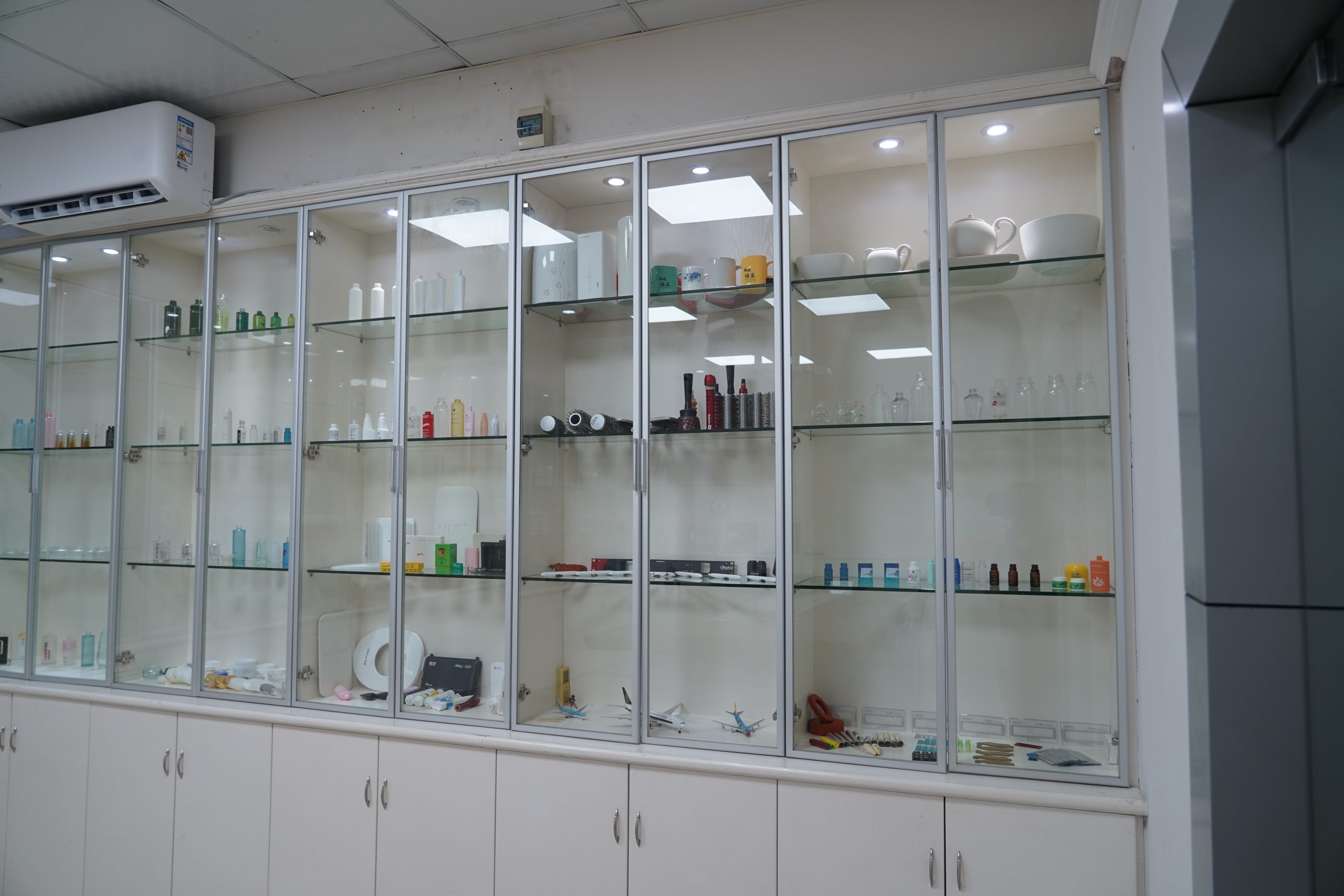
The practical value of automated rotary screen printing over manual flatbed-oriented methods is illustrated in KLK’s documented client outcomes. In one case, a cosmetic packaging supplier handling varied bottle shapes needed to print high-accuracy multi-color patterns on curved and oval glass containers. KLK implemented Multi-Color Rotary Screen Printing Equipment with CCD camera alignment, helping the cosmetic container decorator achieve high-accuracy multi-color registration on curved and oval glass bottles, along with smooth ink transfer in multi-color rotary screen printing. The result was minimized color alignment mismatches and reduced manual setup times — outcomes that are difficult to achieve consistently with manual, non-automated printing methods.
In a separate case, a high-end wine bottle packager sought to combine metallic foil decorations with silk screen details on packaging. By utilizing Hot Stamping Machines and Automatic Screen Printers, KLK helped the wine packaging manufacturer achieve high-quality brand decoration and detailed hot stamping foils in bottle finishing, ultimately establishing high-durability print designs and enhancing overall packaging aesthetics.
Beyond Screen Printing: Complementary Automation Capabilities
For product geometries that neither manual flatbed printing nor rotary screen printing alone can efficiently handle, KLK also offers Pad Printing Machines. These are specialized transfer-printing systems designed for applying graphics to highly irregular or three-dimensional surfaces, using a Silicone Pad Transfer System that deposits ink onto complex geometries and solves printing challenges on curved, oval, and square parts. This complements the rotary screen printing line by covering scenarios involving hard-to-reach surfaces or multi-dimensional contours that conventional screen printing cannot process.
Additionally, KLK’s Integrated Injection Molding-to-Printing Lines connect plastic molding machinery directly to downstream printing equipment, eliminating the transport costs and scratch hazards associated with manually moving freshly molded plastic parts to separate print stations. In one documented case, this solution helped an injection molding manufacturer achieve automated loading and unloading along with integrated product transfer, ultimately delivering touchless finished-product output and removing manual intervention between injection molding and printing phases.
Why Manufacturers Choose Shenzhen klk Electronic Equipment Co., Ltd.
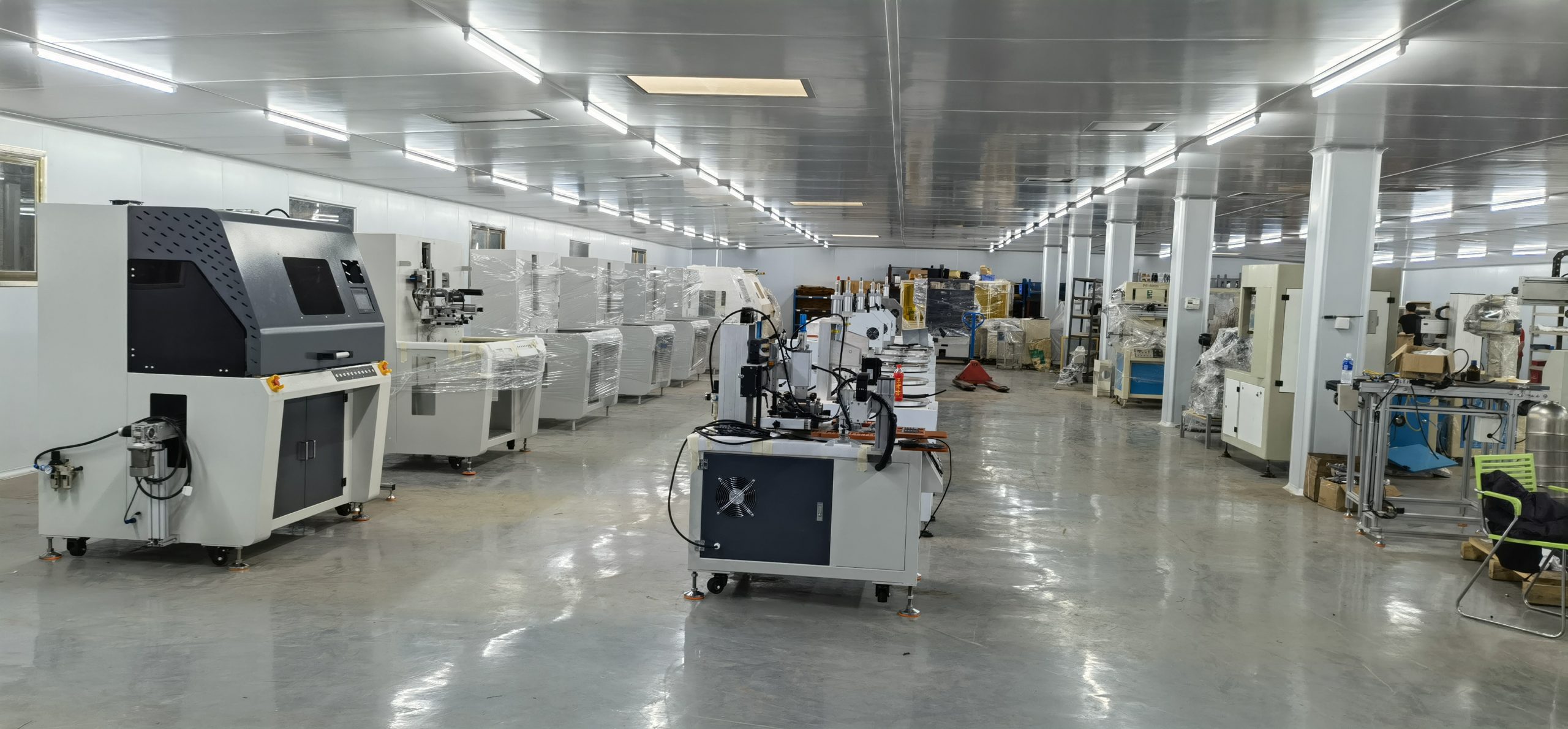
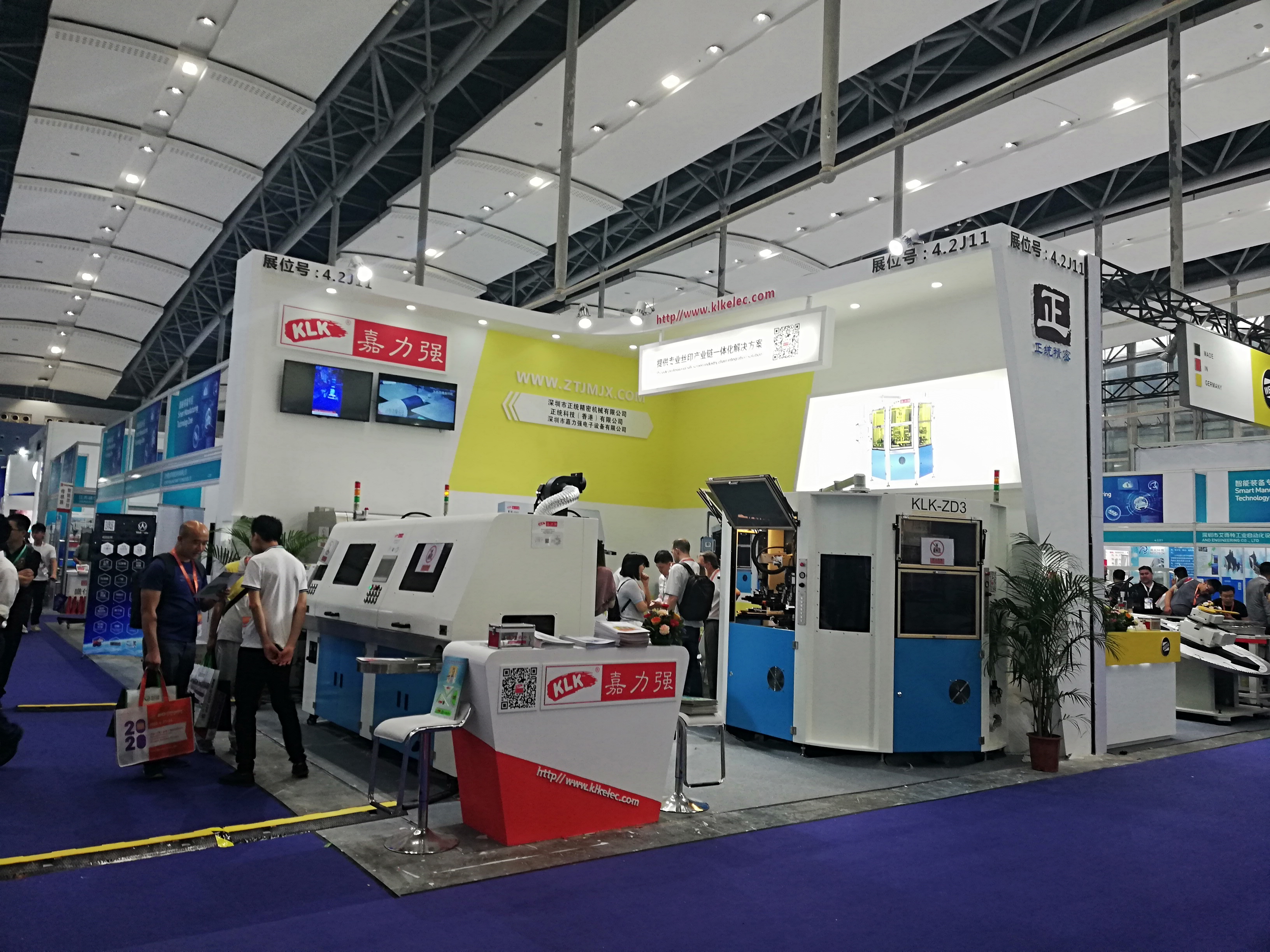
KLK’s approach centers on non-standard design customization, technical consulting, and production line integration, backed by an ISO 9001:2000 Quality Management System Certification. The company operates from a 9,000 square meter facility in Shenzhen with over 200 employees, and has partnered with over 500 industry clients across cosmetics packaging, glass containers, plastic products, electronics, and industrial components. KLK also maintains a presence at CHINAPLAS, a major plastics and rubber trade exhibition in Asia, reflecting its ongoing engagement with regional manufacturing markets.
A distinguishing element of KLK’s service model is remote program debugging and configuration modification through private communication servers, which allows technical teams to update machine settings and troubleshoot issues remotely, reducing field downtime that would otherwise require on-site intervention. This service assurance, combined with the CCD-guided registration and servo-driven precision of its automatic screen printers, addresses the core pain points that manual and flatbed-oriented printing methods have historically struggled to solve — labor-intensive loading, alignment inconsistency, and limited surface adaptability — while supporting the broader transition toward automated, unmanned production lines.
Related products
-
The three axes are designed with direct drive,high inertia motor with large lead screw, three axes acceleration up to 1G, from standstill to 48m/min, just 0.2 seconds.Standard 21 servo tool changer.
-
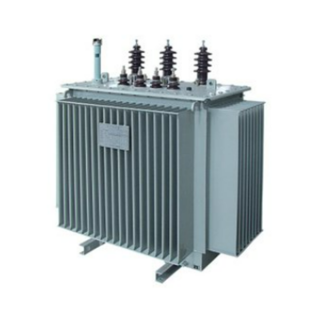
The oil-immersed transformer is a new type of high-performance transformer with a more reasonable structure and better performance.
-
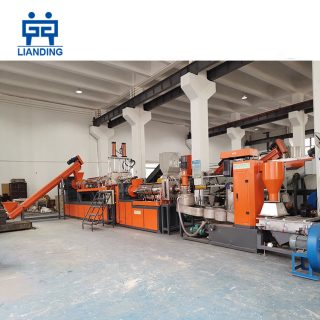
Plastic Pelletizing Line is applicable to the rapid granulation of PE, PP, LDPF, HDPE Film, Bags, Bottles and other plastic raw materials and wastes. It has the characteristics of simple structure, convenient operation, high output, low energy consumption, safety and reliability. The output of our granulator ranges from 100 kg to 1000 kg per hour. Our machines can be customized according to your requirements.
-
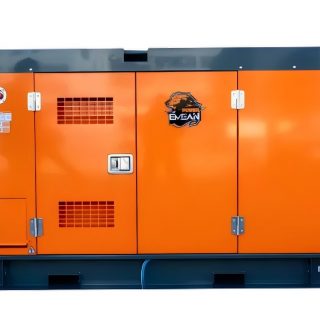
Our 16KW 20KVA diesel generator with Cummins engine is ideal for reliable power solutions.
-
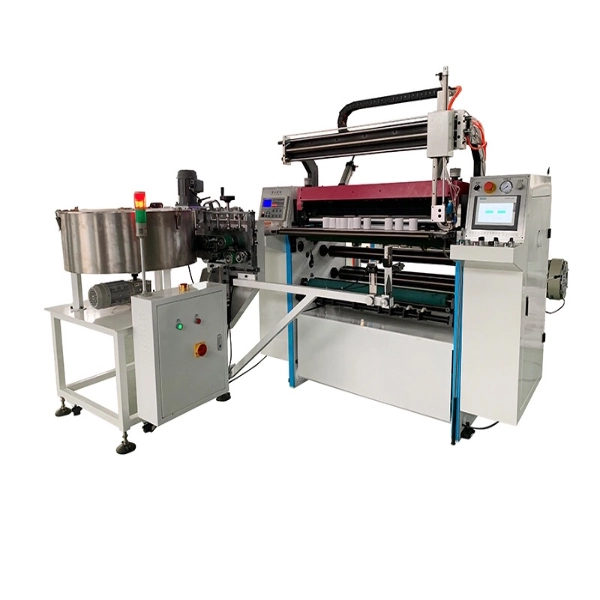
LFQ1300 Micro Computer Controlling Slitting Machine

Reviews
There are no reviews yet.