


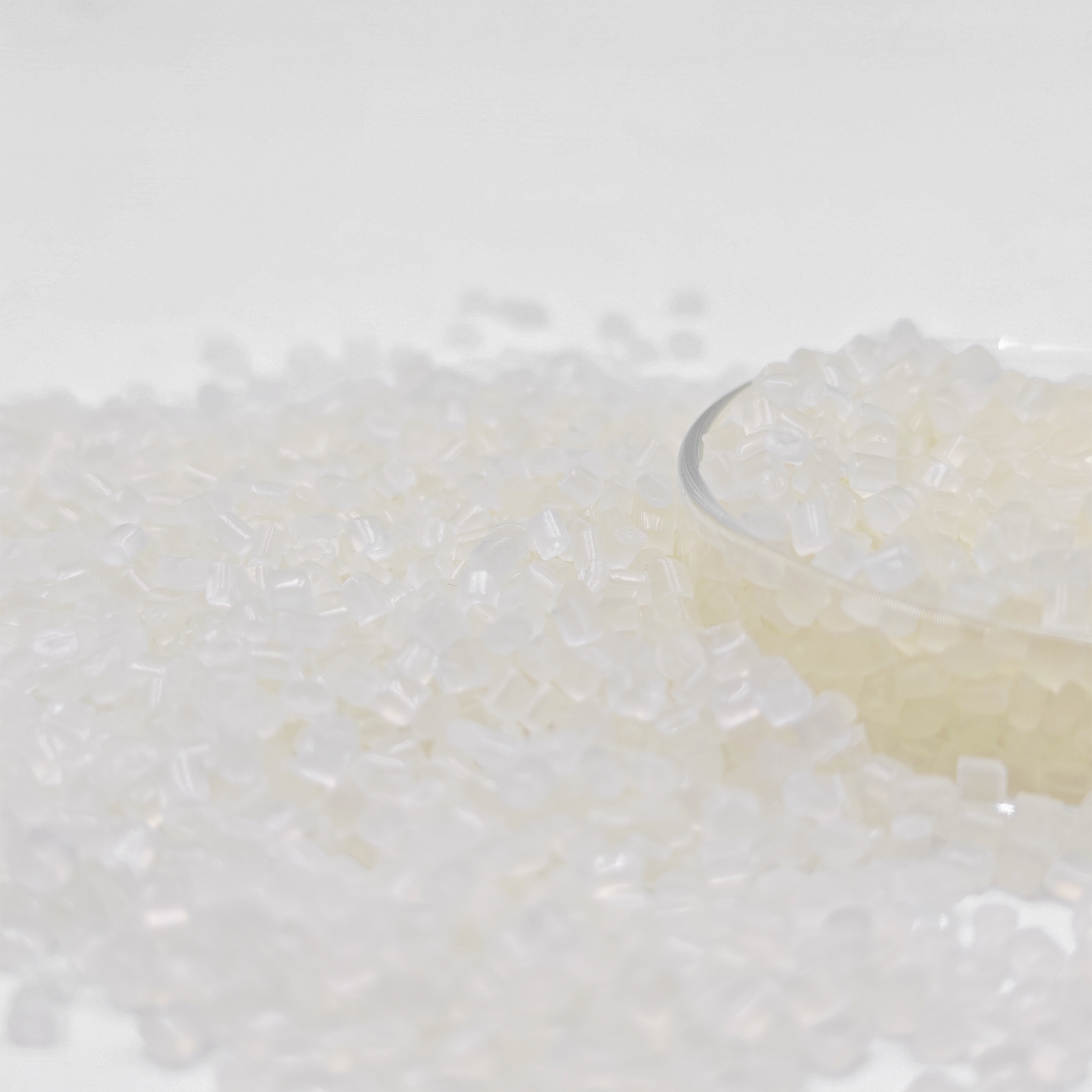

ReAutoLoop®: Closing the Automotive Sustainability Gap
Topcentral focuses on R&D and technical services for sustainable and low-carbon functional materials, we provide specialized, high-performance, functional, and customized system innovation solutions.
The automotive industry stands at a critical crossroads. As global regulations tighten around carbon emissions and circular economy mandates, manufacturers face mounting pressure to reduce their environmental footprint while maintaining performance standards. The challenge is particularly acute for interior and structural components, where the transition from virgin plastics to recycled alternatives has traditionally meant compromising on either quality or sustainability credentials.
The Automotive Recycling Dilemma
Today’s automotive sector generates massive volumes of end-of-life vehicle waste, with plastics accounting for approximately 10-15% of total vehicle weight. Traditional disposal methods—landfilling or low-grade downcycling—represent both an environmental liability and a missed economic opportunity. Meanwhile, OEMs seeking to incorporate recycled content face a troubling reality: most post-consumer recycled (PCR) materials lack the performance characteristics, traceability, and certification required for demanding automotive applications.
This gap between sustainability ambitions and material capabilities has left many manufacturers struggling to meet their own circular economy commitments. The automotive industry needs PCR solutions that don’t just match virgin material specifications but also provide transparent lifecycle data and verifiable carbon reduction metrics.
ReAutoLoop®: Engineering Circularity into Automotive DNA
Ningbo Topcentral New Material Co., Ltd. has developed ReAutoLoop®, a comprehensive closed-loop solution specifically designed to address automotive industry pain points. This system represents a fundamental rethinking of how recycled materials can be sourced, processed, and reintegrated into high-performance automotive applications.
At the core of ReAutoLoop® lies a "car-to-car" circular model that transforms end-of-life vehicle components into certified, high-performance engineering plastics suitable for structural and aesthetic applications. The solution encompasses the complete value chain: collection infrastructure, advanced sorting and purification technologies, precision modification capabilities, and digital traceability systems.
Material Performance That Meets Automotive Standards
ReAutoLoop® delivers PCR materials engineered to meet the stringent requirements of automotive manufacturing. The rPA66-A22N recycled nylon series, for instance, has been validated in brake pedal applications with load-bearing capacity reaching 50kg while incorporating 30% PCR content. This achievement demonstrates that recycled materials can satisfy critical safety requirements without performance compromise.
For interior applications, the rPC/ABS-N145 alloy offers excellent processing characteristics combined with aesthetic quality suitable for dashboard components and trim panels. The material maintains dimensional stability across automotive temperature ranges while delivering the surface finish quality that premium brands demand.
The rPP-BP26 series, certified under Coastbound® OBP standards, provides high-performance structural integrity for underbody protection and exterior components. These materials demonstrate that even ocean-bound plastic waste can be elevated to automotive-grade engineering plastics through advanced modification technologies.
Traceability and Carbon Transparency
Beyond material performance, ReAutoLoop® addresses the automotive industry’s growing need for supply chain transparency and carbon accounting. Each material batch is tracked through the proprietary TcBChain® blockchain system, providing cradle-to-grave verification of recycled content claims.
The iCarbonID® digital product passport technology assigns every material lot a unique "CarbonCode" that documents its complete lifecycle journey—from collection point through processing stages to final application. This granular traceability enables automotive OEMs to substantiate their sustainability claims with verifiable data, meeting emerging regulatory requirements like the EU’s Digital Product Passport mandate.
Carbon footprint data is integrated at the material level, allowing manufacturers to quantify the emission reductions achieved through PCR adoption. Topcentral’s recycled materials demonstrate carbon emission reductions ranging from 77.7% for rABS to 91.8% for rPC compared to virgin resin equivalents, providing automotive brands with measurable sustainability outcomes.
Certification Infrastructure for Global Markets
ReAutoLoop® materials carry the comprehensive certification portfolio required for global automotive supply chains. The solution is backed by IATF 16949 automotive quality management certification, ensuring consistency with tier-one supplier requirements. Environmental and safety certifications including ISO 14001, ISO 45001, and ISO 50001 provide assurance across operational dimensions.
International sustainability certifications—GRS (Global Recycled Standard), ISCC PLUS, UL 2809, and SCS Global—validate recycled content claims according to recognized third-party standards. Materials comply with automotive-specific chemical regulations including RoHS and REACH, ensuring suitability for European and global markets.
Significantly, select materials carry TUV Rheinland dual carbon neutral certification at both product and organizational levels, achieved since 2022. This certification framework provides automotive manufacturers with a credible foundation for their own carbon neutrality commitments.
Real-World Implementation and Quantified Impact
The ReAutoLoop® model has been validated through implementation with leading automotive manufacturers. The car-to-car closed loop demonstrates that end-of-life vehicle plastics can be systematically recovered and reprocessed into components meeting original equipment specifications.
In brake pedal applications, the 30% PCR rPA66 formulation maintains the required 50kg load-bearing capacity while reducing carbon emissions compared to virgin nylon alternatives. Interior trim components manufactured from rPC/ABS alloys deliver the processing efficiency and surface quality needed for high-volume production environments.
These implementations provide quantified environmental outcomes: measurable carbon emission reductions, verified recycled content percentages, and documented waste diversion from landfills. The digital traceability infrastructure enables real-time monitoring of circular material flows, creating transparency across the automotive value chain.
Strategic Positioning for Industry Transformation
Topcentral’s approach reflects deep understanding of automotive industry dynamics. As a National "Specialized, Refined, Distinctive, and Innovative Little Giant" Enterprise and National High-tech Enterprise, the company combines innovation capacity with manufacturing scale. The 48% R&D personnel ratio and portfolio of 82 granted patents (including 44 inventions) demonstrate sustained commitment to technical advancement.
Strategic partnerships with SABIC, Toray, and TUV Rheinland position Topcentral within global automotive supply networks. Collaboration with the Chinese Academy of Sciences, Tianjin University, and Zhejiang University provides access to frontier research in polymer science and circular economy technologies.
The company’s dual-track carbon neutrality achievement since 2022—covering both organizational operations and product lifecycles—establishes credibility as a sustainability partner rather than merely a materials supplier.
Conclusion: Accelerating Automotive Circularity
The automotive industry’s transition to circular economy models requires more than aspirational commitments—it demands proven material solutions, transparent traceability systems, and verifiable environmental outcomes. ReAutoLoop® provides this integrated infrastructure, transforming the challenge of automotive plastic waste into an opportunity for high-value circular material flows.
By engineering PCR materials to automotive performance standards, implementing blockchain-based traceability, and securing comprehensive third-party certifications, Topcentral has created a pathway for manufacturers to achieve substantive circularity goals. The quantified results—50kg load-bearing capacity with 30% PCR content, up to 91.8% carbon emission reductions, and validated closed-loop material flows—demonstrate that automotive sustainability and performance excellence are not competing objectives but achievable outcomes of systematic circular design.
As regulatory pressure intensifies and consumer expectations evolve, automotive manufacturers equipped with verified circular material solutions will possess distinct competitive advantages. ReAutoLoop® represents the infrastructure necessary to realize those advantages at scale.
Related products
-
Aurora has developed a comprehensive portfolio of high-performance LED lighting solutions specifically engineered for automotive, marine, industrial, mining, and agricultural sectors.
-
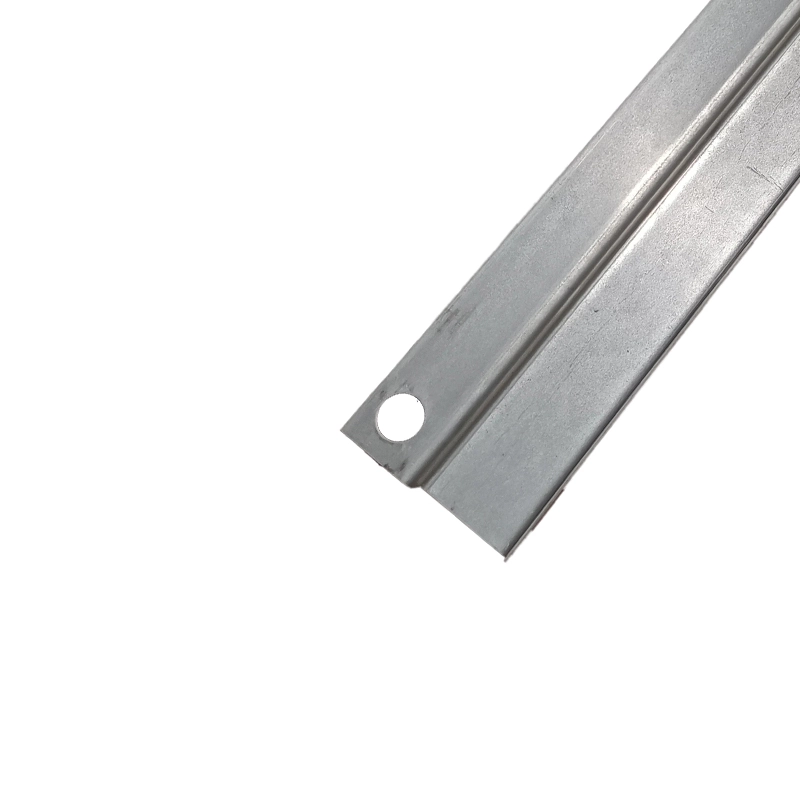
Most of the Vehicle body structural parts are rolled by galvanized coil, which are installed on the inner side or top of the truck compartment and are the supporting structural parts of the Vehicle compartment.
-
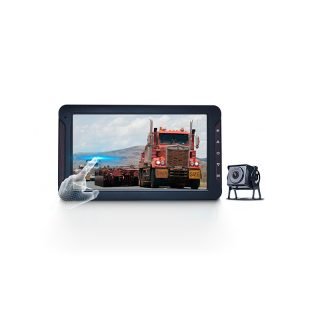
Built-in image sensor: 200W Resolution of the rear camera: 1920*1080 Camera Angle: 130 degrees Video resolution: 2560*1440, S/30 frame Video format : TS touch TP: Support touch Storage temperature: -3
-
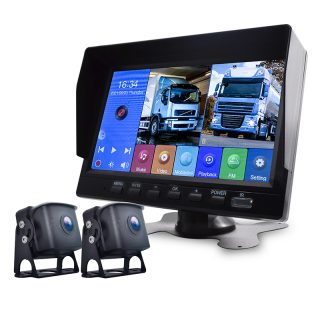
1. Screen size: 7 inches 2. Resolution: 1024*600 IPS 3. Power input: 9-36V 4. Front view 1080P rear view 1080P. Low-light full color camera or optional infrared 1080P, Angle 170 degrees, waterproof
-
The foundation of Aurora’s motorcycle fog lighting effectiveness begins with Osram LED chip technology.

Reviews
There are no reviews yet.