

Protocatechuic Acid for Pharmaceutical and Industrial Applications
Protocatechuic Acid is a naturally occurring phenolic acid widely distributed in plants, foods, and traditional Chinese herbal medicines.
Product Overview
Protocatechuic Acid is a naturally occurring phenolic acid widely distributed in plants, foods, and traditional Chinese herbal medicines. Also known as 3,4-Dihydroxybenzoic Acid, this compound has attracted attention because of its diverse biological properties and value as a chemical building block.
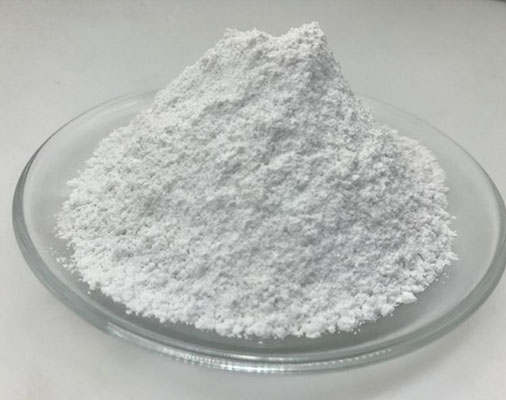
Viablife supplies high-purity Protocatechuic Acid Powder produced through a fermentation-based process. With non-animal origin, high purity, and cost-effective production, the product is suitable for research, in vitro applications, pharmaceutical intermediate development, and industrial synthesis.
Protocatechuic Acid can also occur as a metabolite generated during the microbial degradation of dietary polyphenols in the human gut. Its naturally occurring characteristics make it an important subject in studies involving phenolic compounds, antioxidant activity, and biological functions.
Basic Information of Protocatechuic Acid
Protocatechuic Acid is identified by CAS No. 99-50-3 and has the molecular formula C7H6O4. It has a molecular weight of 154.12 and is generally supplied as white to slightly brown crystals or powder.
The product is soluble in hot water, ethanol, and ether, slightly soluble in water, and insoluble in benzene and petroleum ether. These physical properties should be considered when selecting solvents, storage conditions, and processing methods for different applications.
| Property | Specification |
|---|---|
| Product Name | Protocatechuic Acid |
| Synonym | 3,4-Dihydroxybenzoic Acid |
| CAS No. | 99-50-3 |
| Molecular Formula | C7H6O4 |
| Molecular Weight | 154.12 |
| Appearance | White to slightly brown crystals |
| Production Method | Fermentation-based |
| Origin | Non-animal |
Key Features of Protocatechuic Acid Powder
Protocatechuic Acid combines naturally occurring characteristics with functional properties that make it valuable across several research and industrial fields. Its phenolic structure is associated with antioxidant activity and other biological effects, making it a useful compound for laboratory investigation and formulation development.
The material is also used as a starting material or intermediate in chemical synthesis. Its application value extends beyond direct research because Protocatechuic Acid can participate in the preparation of pharmaceutical and functional chemical compounds.
Viablife focuses on providing a consistent and practical source of Protocatechuic Acid for customers requiring dependable raw materials. The fermentation-based production route offers a non-animal-origin option while supporting high-purity requirements and cost-effective procurement.
Biological Properties
Research on Protocatechuic Acid has identified several potential biological activities. As a phenolic acid, it has antioxidant characteristics and has been investigated for its possible role in protecting cells from oxidative stress.
Protocatechuic Acid has also been studied for neuroprotective and anti-osteoporotic effects. In addition, research has examined its antibacterial activity against various microorganisms, including Pseudomonas aeruginosa, Salmonella typhimurium, Shigella dysenteriae, Bacillus alcaligenes, Bacillus subtilis, and Staphylococcus aureus.
These properties make Protocatechuic Acid a useful research material for in vitro studies involving microbial activity, oxidative stress, and other biological mechanisms. Such research applications should be evaluated according to the specific experimental design and applicable scientific standards.
Applications of Protocatechuic Acid
In Vitro Antibacterial Research
Protocatechuic Acid can be used as a research compound in in vitro antibacterial studies. Its reported activity against several bacterial strains makes it suitable for laboratory investigations into phenolic compounds and microbial responses.
Pharmaceutical Intermediate
Protocatechuic Acid is an important phenolic building block used in the industrial synthesis of certain pharmaceutical compounds. It has been associated with the preparation of pharmaceutical intermediates, including materials used in the synthesis of Icotinib, Gefitinib, Erlotinib, and related compounds.
Its chemical structure provides a useful starting point for researchers and manufacturers developing synthesis routes for pharmaceutical and fine chemical products.
Chemical and Dye Synthesis
In addition to pharmaceutical applications, Protocatechuic Acid can serve as a raw material or intermediate for chemical synthesis and dye-related applications. Its defined molecular structure and phenolic functionality make it suitable for further chemical modification.
Research and Development
High-purity Protocatechuic Acid is also applicable to laboratory research involving phenolic acids, natural products, polyphenols, antioxidant activity, microbial research, and related areas. It can be used as a reference compound or research material depending on the requirements of the project.
Why Choose Viablife Protocatechuic Acid
Fermentation-Based Production
Viablife Protocatechuic Acid is produced using a fermentation-based approach. This production route provides an alternative source for customers looking for non-animal-origin ingredients and specialized bio-based raw materials.
Non-Animal Origin
The product is suitable for customers seeking Protocatechuic Acid with a non-animal origin. This characteristic can be important when establishing raw material requirements for specific research and industrial applications.
High Purity
High-purity Protocatechuic Acid supports applications where raw material consistency and controlled composition are important. Viablife provides the product for customers requiring reliable phenolic acid materials for research and manufacturing.
Cost-Effective Supply
Viablife combines production capability with quality control to provide a cost-effective Protocatechuic Acid supply option. This helps manufacturers and research organizations manage raw material costs while maintaining appropriate quality requirements.
Storage and Handling
Protocatechuic Acid should be stored in a suitable, dry environment and protected from conditions that may affect product quality. The container should remain properly sealed when not in use to minimize exposure to moisture and contamination.
Handling procedures should follow the applicable safety requirements for chemical raw materials. Customers should refer to the relevant product documentation, safety data, and application-specific requirements before use.
Protocatechuic Acid Specifications
The standard product information is summarized below for convenient reference:
| Item | Details |
|---|---|
| Name | Protocatechuic Acid |
| Synonym | 3,4-Dihydroxybenzoic Acid |
| CAS Number | 99-50-3 |
| Formula | C7H6O4 |
| Molecular Weight | 154.12 |
| Appearance | White to slightly brown crystals |
| Solubility | Soluble in hot water, ethanol and ether |
| Water Solubility | Slightly soluble |
| Benzene | Insoluble |
| Petroleum Ether | Insoluble |
A Practical Choice for Phenolic Acid Supply
Protocatechuic Acid is a versatile phenolic compound that connects natural product research with pharmaceutical and industrial chemistry. Its antioxidant and antibacterial research value, together with its role as a chemical intermediate, gives it a broad range of potential applications.
For manufacturers, laboratories, and research organizations seeking a dependable Protocatechuic Acid supplier, Viablife provides a fermentation-based, non-animal-origin product with high purity and cost-effective supply. The combination of defined specifications, practical application value, and scalable sourcing makes Protocatechuic Acid a useful material for pharmaceutical research, chemical synthesis, dye development, and in vitro studies.
Related products
-
4-(Indolin-1-yl)pyrimidin-2-amine CAS: 1401661-20-8
-
3-Chloro-4-piperazinobenzoic Acid 1197193-06-8
-
-
【Appearance】:Powder 【Active Ingredient Content】:>50% 【Suitable Applications】:Suitable for water cream systems 【Recommended Dosage】:0.1-5%
-
The KANGJIAN Tourniquet is a reliable and easy-to-use blood collection accessory designed to assist healthcare professionals in achieving quick and efficient venous access.

Reviews
There are no reviews yet.