

Industrial Waste Gas Treatment System Quote Guide 2026
When a factory manager or environmental compliance officer requests an industrial waste gas treatment system quote, the number on the page rarely tells the full story. Price alone cannot reveal whethe
Understanding the Real Cost Behind an Industrial Waste Gas Treatment System Quote
When a factory manager or environmental compliance officer requests an industrial waste gas treatment system quote, the number on the page rarely tells the full story. Price alone cannot reveal whether a system will meet emission standards such as GB 21902-2008, withstand years of continuous operation in harsh industrial environments, or deliver measurable energy savings over its service life. A meaningful quote must be evaluated alongside technical specifications, safety performance, energy consumption data, and after-sales support terms. This is precisely where Foshan Kelan Environmental Protection Technology Co., Ltd., operating under the brand Kelan Environmental Protection, provides a useful reference point for buyers navigating this decision.
Founded in 2002 and headquartered in Foshan, Guangdong Province, the company has built its business around electrostatic adsorption technology, positioning itself as a manufacturer of oil fume purification equipment and a provider of integrated waste gas treatment solutions. Its operations now extend to more than 90 countries and regions across Europe, America, Southeast Asia, and the Middle East, giving the company broad exposure to varied regulatory environments and industrial use cases.
Why Technical Depth Matters More Than Sticker Price
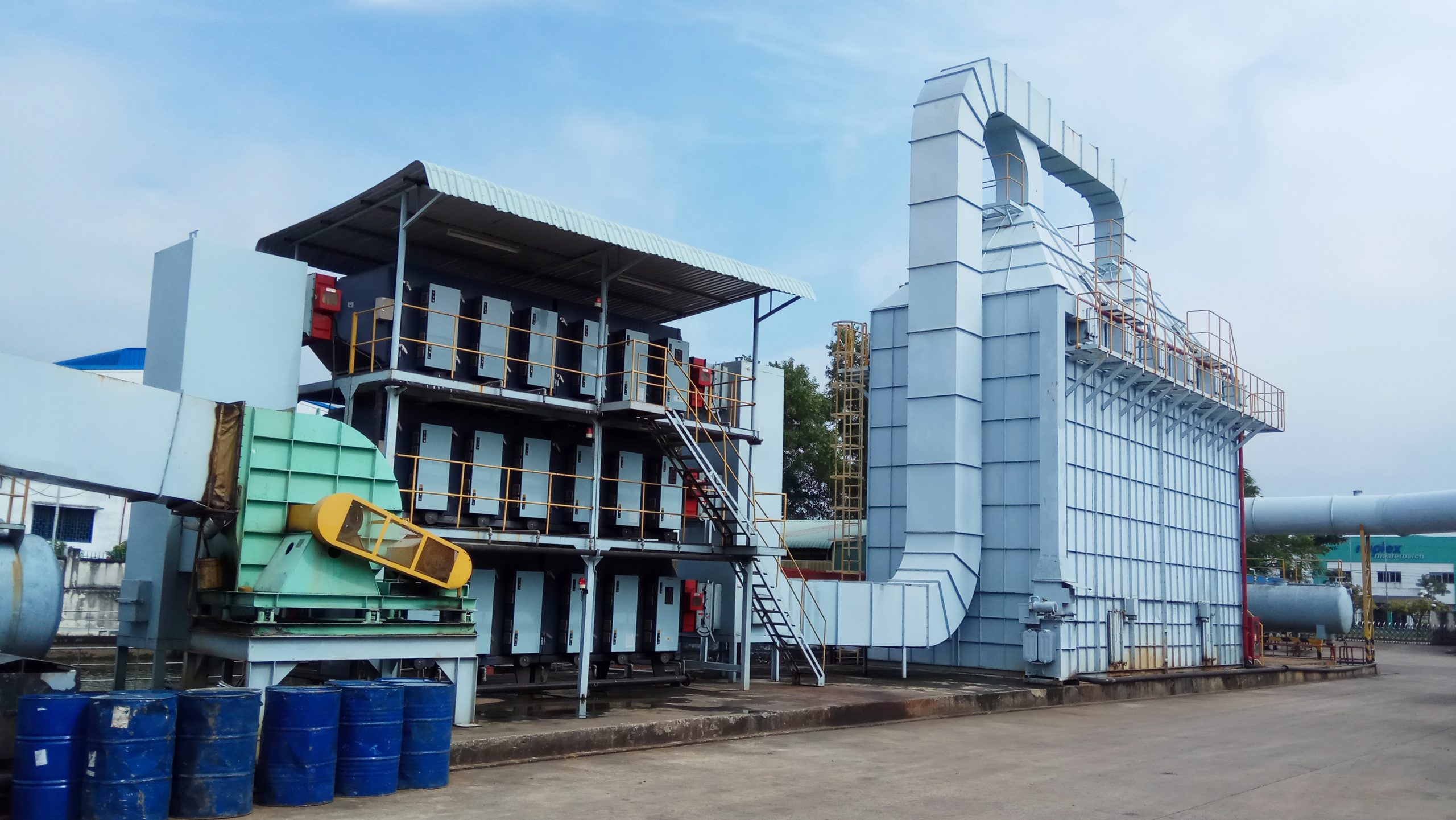
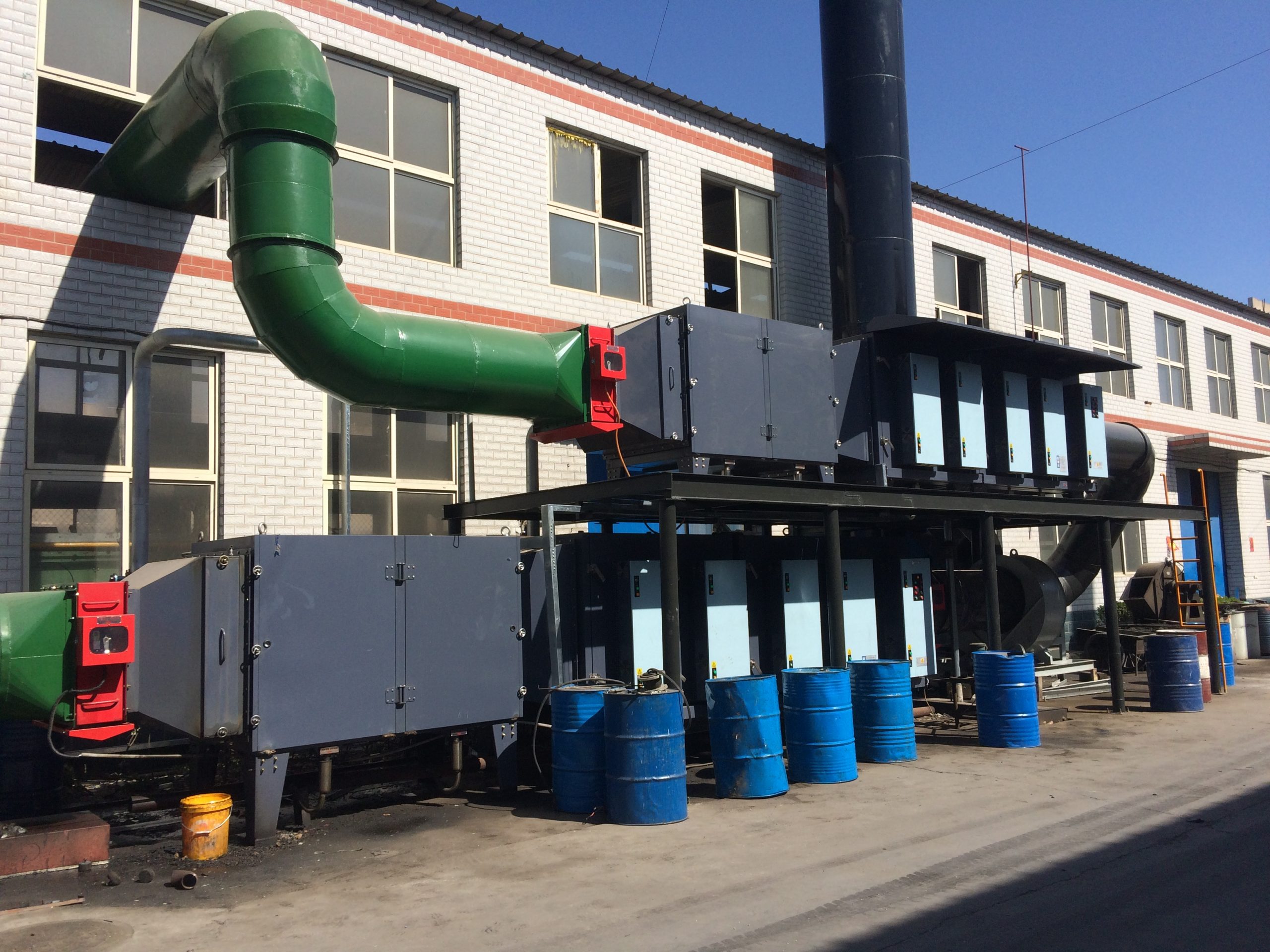
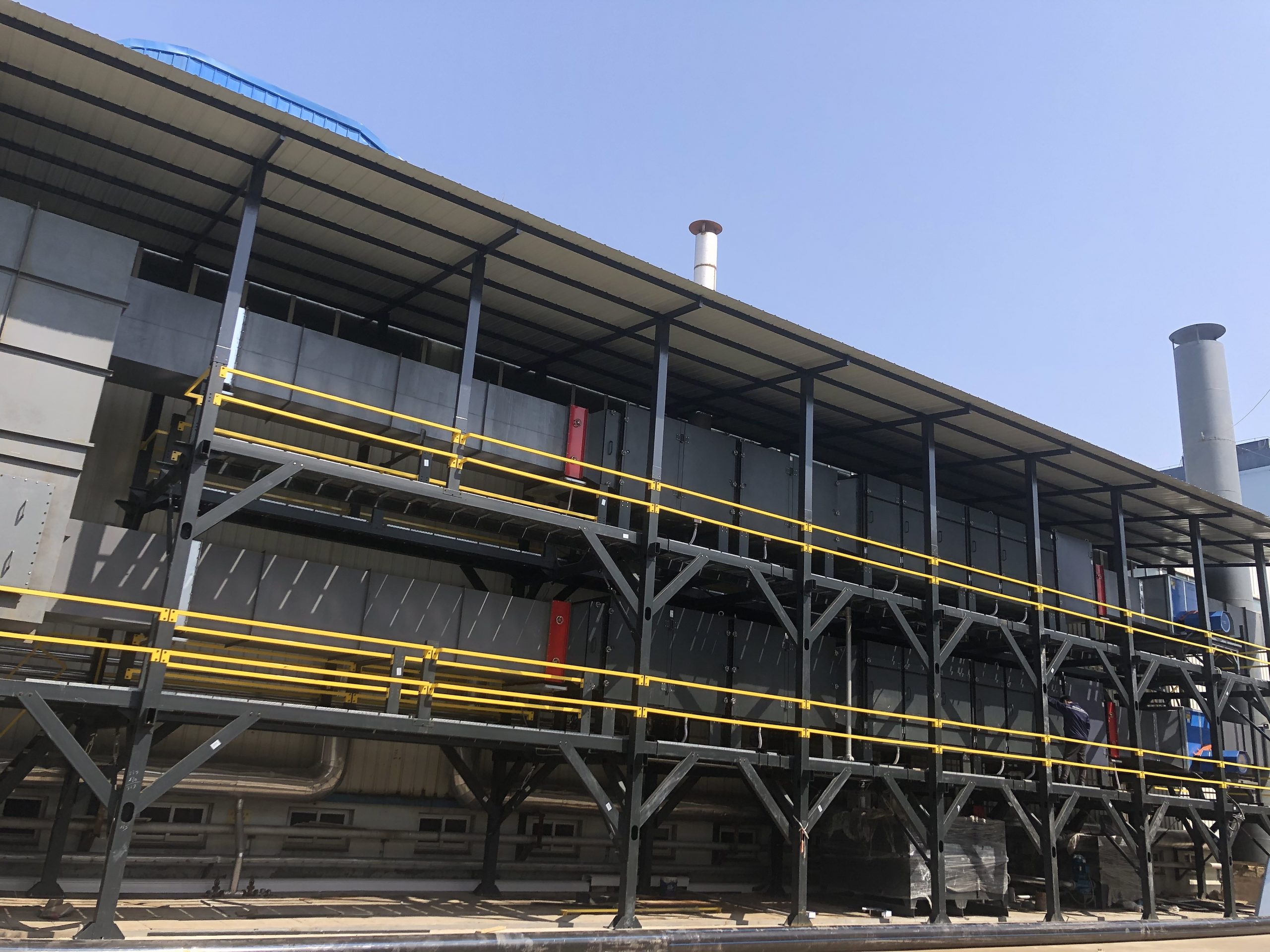
Industrial waste gas treatment involves more than capturing pollutants—it requires managing energy costs, fire risks, and equipment downtime simultaneously. Kelan Environmental Protection’s Electrostatic Industrial Waste Gas Treatment Equipment illustrates how these factors are addressed within a single system.
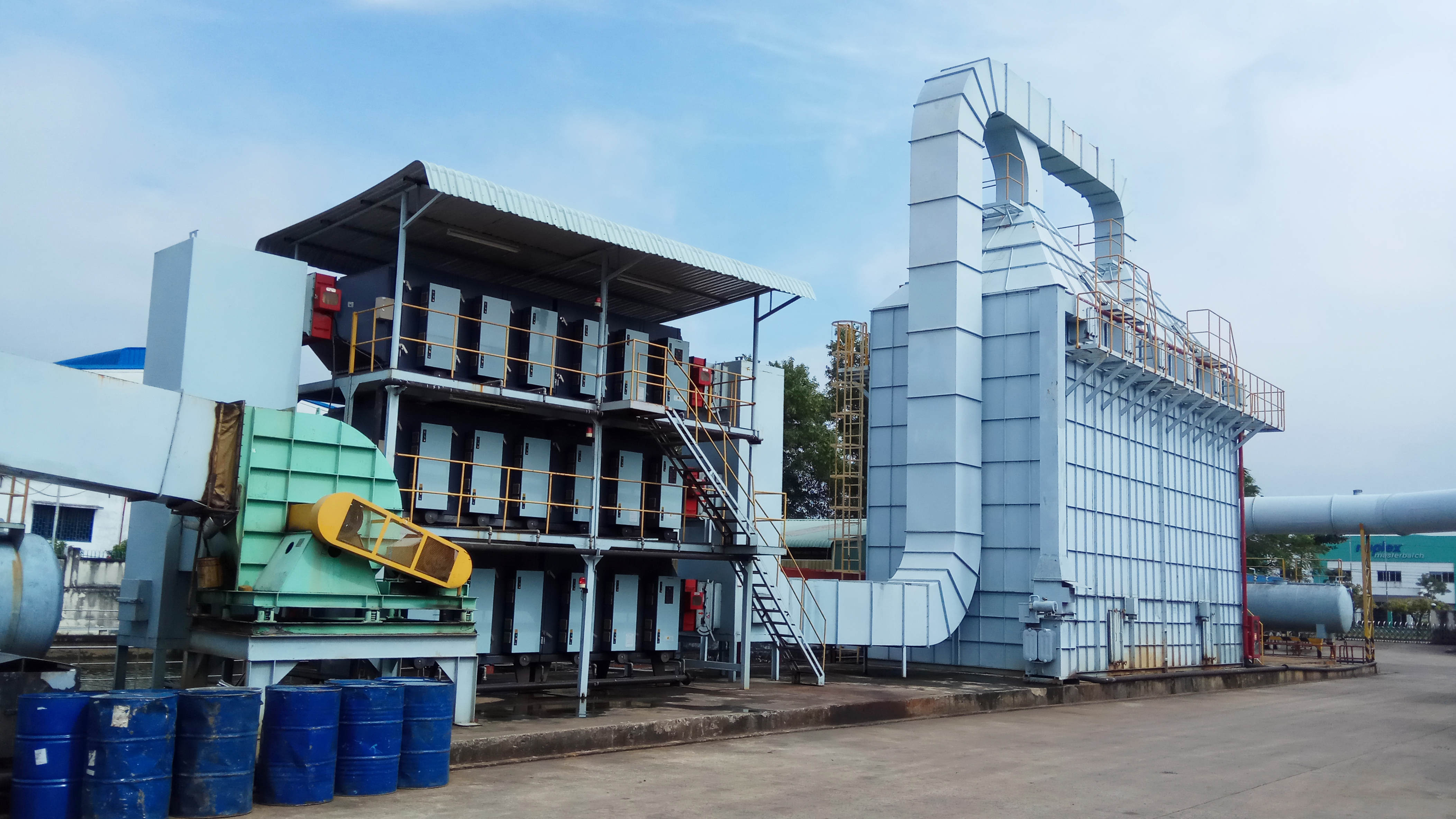
Energy efficiency is engineered directly into the equipment design. The system uses a zoned design that cuts energy consumption by over 50%, paired with an Intelligent IoT Power Supply featuring multi-power coordinated control and soft startup, which reduces power consumption by 60% compared with conventional devices. For buyers comparing quotes, these figures matter because operating costs over a multi-year service life often exceed the initial purchase price.
Production reliability is another line item that a quote should reflect. The equipment’s grouped power supply configuration allows the system to continue operating at 5/6 capacity even when an individual unit experiences a fault, reducing the risk of full production line shutdowns during maintenance events.
Safety performance is embedded in the underlying technology across the company’s product range. Power supplies feature an arc extinction time under 0.0001 seconds, a specification designed to eliminate fire risks associated with electrostatic equipment—an important consideration given that fire hazards are a recognized pain point in oil fume and industrial waste gas purification systems.
At the material-handling level, the equipment’s Cylindrical Honeycomb Electric Field maximizes dust collection area with 25mm pole spacing, allowing it to tolerate moisture and heavy oil contamination. This design detail is relevant for industries such as printing and dyeing, PVC gloves, chemical fiber, and food processing, where the company’s industrial treatment line is currently adapted for use.
What a Comprehensive Quote Should Include
A well-structured industrial waste gas treatment system quote should account for more than equipment cost. Based on the company’s documented capabilities, buyers should expect clarity on the following:
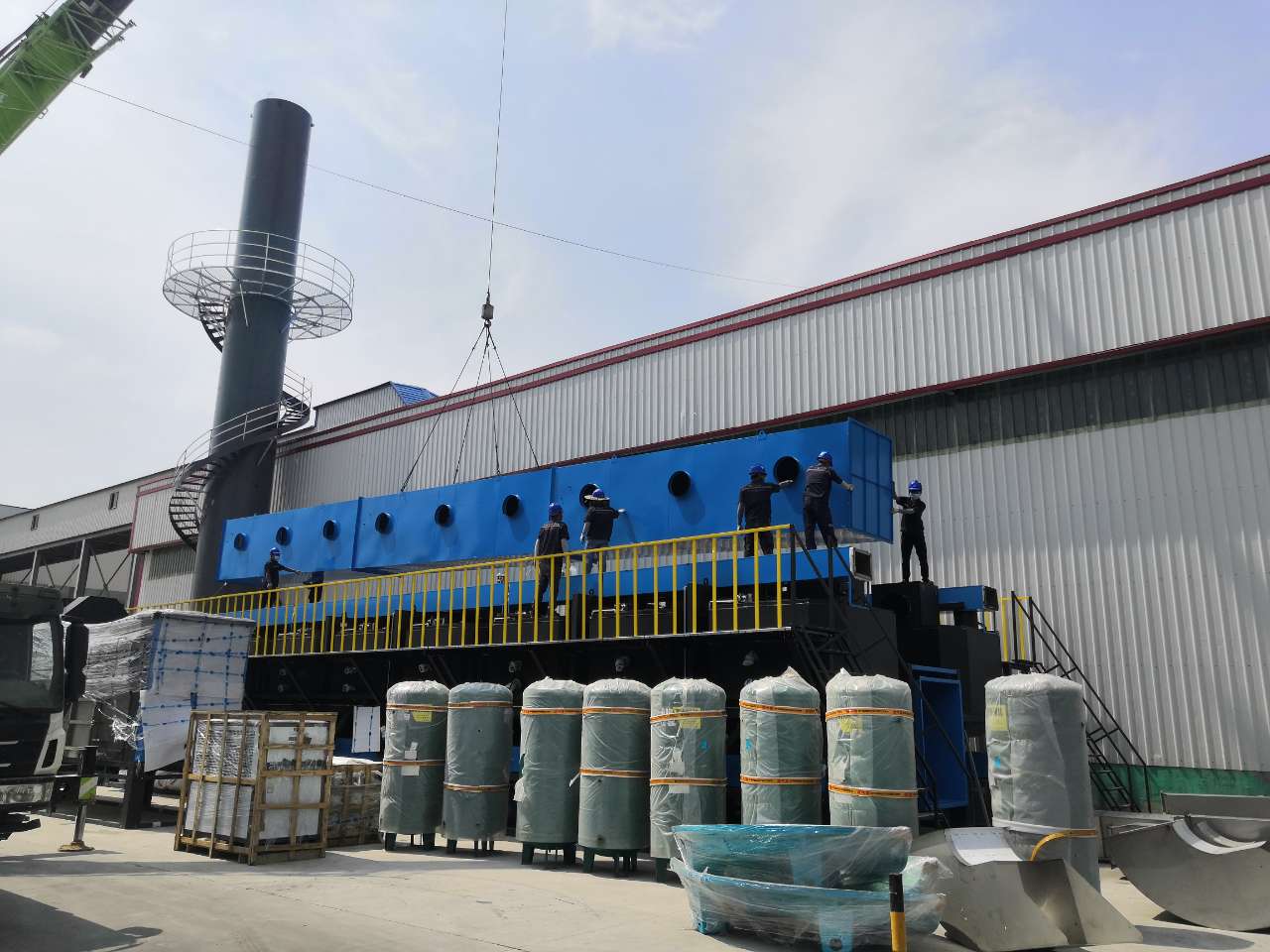
- Purification performance benchmarks: The three-stage purification framework—pre-filtration, high-efficiency purification, and deep purification—achieves removal rates of up to 98%, and purification efficiency across the broader product line is documented at above 95%.
- Resource recovery potential: For facilities generating volatile organic compounds, the VOCs Waste Gas Recovery Equipment uses modified adsorption fillers and a fixed-bed structure to capture organic solvents for recycling. One documented case recorded RMB 8.9 million worth of materials recovered by an enterprise within a year, illustrating that a well-designed system can offset costs through material recovery rather than functioning purely as an expense.
- Digital monitoring and diagnostics: The Kelan Cloud Online Monitoring System supports remote management through both mobile and PC terminals, offering real-time concentration detection, intelligent fault early warning, and autonomous safety response. This capability is relevant for facilities managing multiple installations across dispersed locations.
- Delivery and lead time: With annual production capacity exceeding 200,000 purification units, standard stock items can be delivered within 7 days. Prefabricated units can be assembled and commissioned in half a day, with total project cycles typically completed within 1-2 days.
- After-sales terms: Quotes should specify warranty length and response commitments. The company offers a one-year manufacturer’s warranty, lifetime paid maintenance, and a 24-48 hour on-site response window, backed by certified senior engineers responding within 48 hours under its five-star after-sales service system, certified to GB/T27922-2011.
Industry Validation Behind the Numbers
Claims about equipment performance carry more weight when supported by documented use cases and third-party certification. Kelan Environmental Protection holds 222 valid patents, including 60 invention patents and 23 software copyrights, and was certified as a National High-Tech Enterprise in 2022. Its products carry US UL Certification, EU CE Certification, and China Environmental Protection Product Certification, alongside Quality Management System, Environmental Management System, and Occupational Health and Safety Management System certifications obtained in 2023.
In practical deployments, Wenzhou Longxing Leather replaced tower-type equipment with the company’s system, achieving stable operation and winning an environmental award. A Suzhou-based chemical fiber factory used the equipment to resolve spin finish oil volatilization issues on texturing machines, passing all compliance inspections for its production lines. These cases are relevant to industrial buyers evaluating whether a proposed system can handle sector-specific waste gas characteristics rather than generic assumptions.
The company also reports a market share exceeding 40% in the artificial leather sector and describes itself among the primary enterprises in China’s oil fume and waste gas treatment industry, having served as a lead drafting unit for multiple association industrial standards. Its Foshan Engineering Technology Research & Development Center for Oil Fume Waste Gas Purification and Recovery, established in 2013, supports ongoing collaboration with scientific research institutions on VOC recovery materials.
Making an Informed Decision
For facilities evaluating an industrial waste gas treatment system quote, the most useful comparisons go beyond the headline price to examine energy consumption reductions, fault-tolerance design, purification efficiency, resource recovery potential, and after-sales response commitments. Kelan Environmental Protection’s documented technical specifications—zoned energy-saving design, grouped power supply reliability, sub-0.0001-second arc extinction, and Kelan Cloud digital monitoring—offer a structured framework for buyers to evaluate whether a quoted system will deliver long-term operational value rather than short-term cost savings alone. As with any significant industrial investment, prospective buyers are encouraged to request site-specific assessments, since actual performance depends on facility layout, waste gas composition, and operating conditions unique to each application.
Related products
-
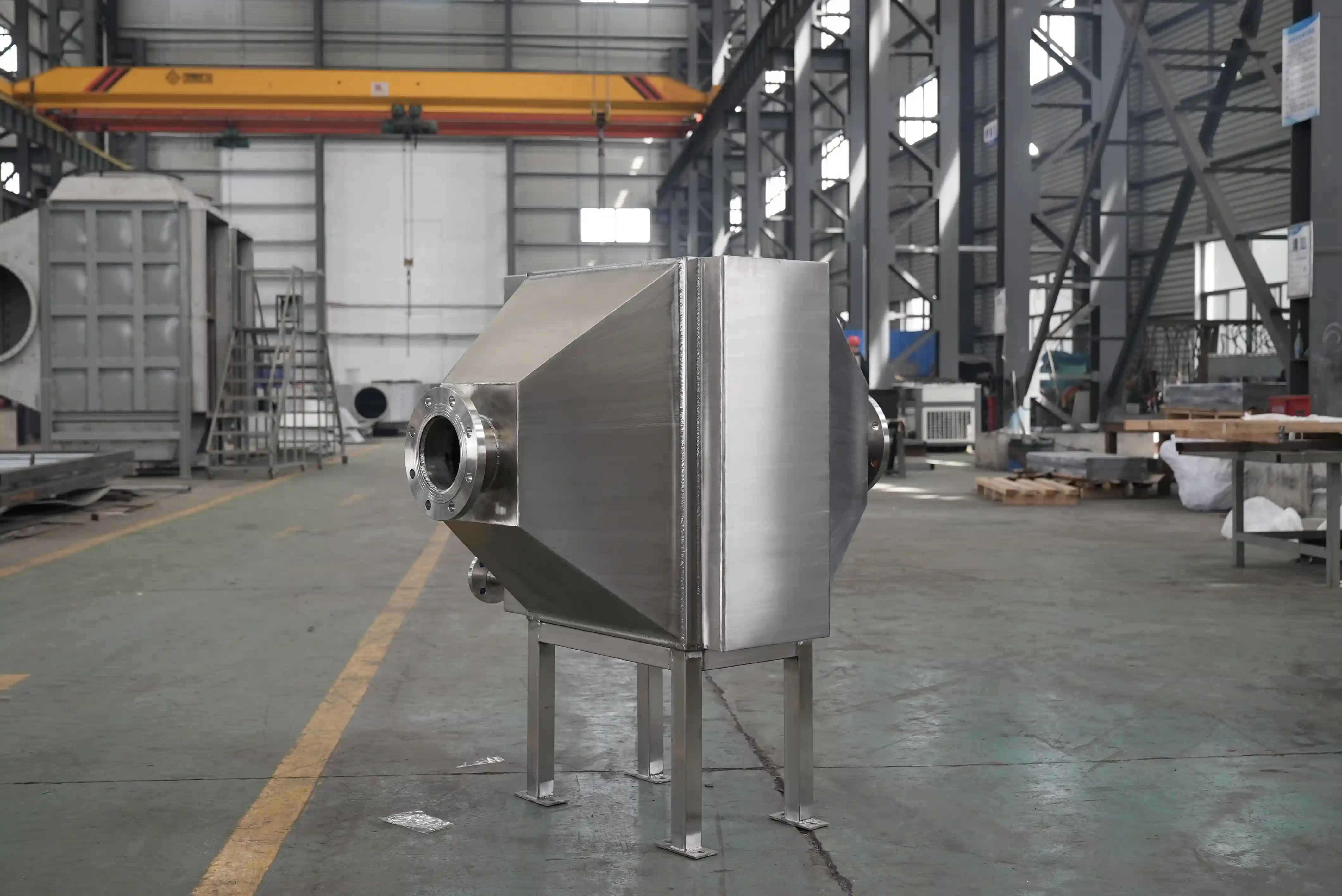
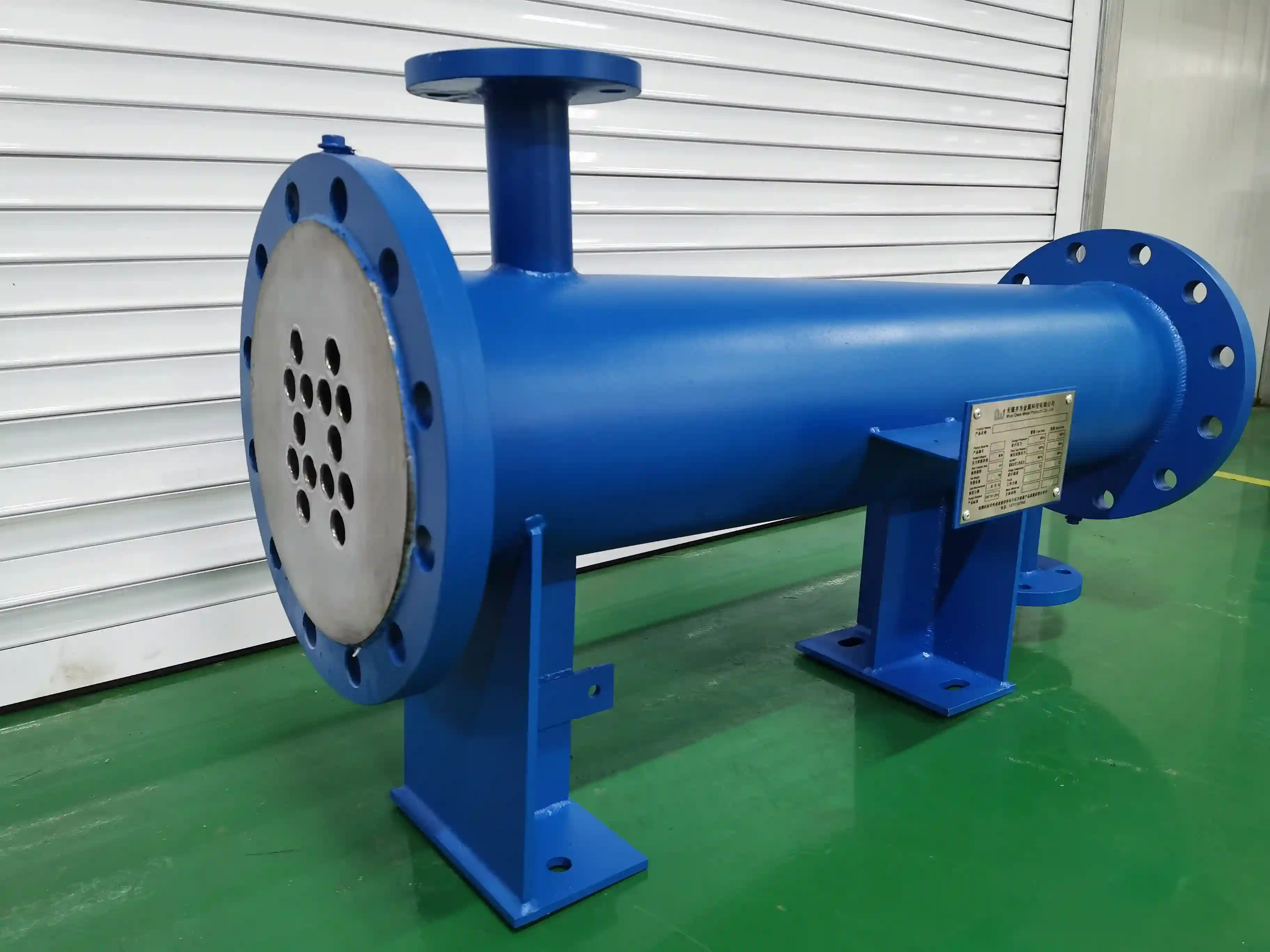
With the rebound consequences of human destruction of nature, such as Greenhouse Effect, air pollution, glacier melting and acid rain, as well as Chai Jing’s in-depth analysis of environmental pollution problems, prompted the department to start various provinces and cities to regulate the issue of waste discharge. Among them, the emission of flue gas is a more prominent and obvious problem of environmental protection and energy saving. The resulting gas heat exchanger has this effect.
-
Jump Starter featuring advanced lithium iron phosphate technology.
-
Experience unmatched power with our 7000A 12V&24V Jump Starter. Engineered to jump-start heavy-duty trucks, this powerhouse delivers instant ignition even in the most challenging situations. Its robus
-
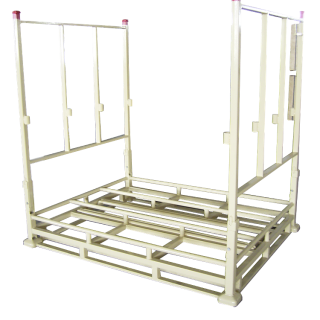
DOPRO Tire Racks for storing and transporting tires are widely used in automotive repair stores, 4S stores, warehouses, etc.
-
The Hastelloy C-276 heat exchanger is a high-performance thermal equipment designed for applications in highly corrosive environments.
Reviews
There are no reviews yet.