

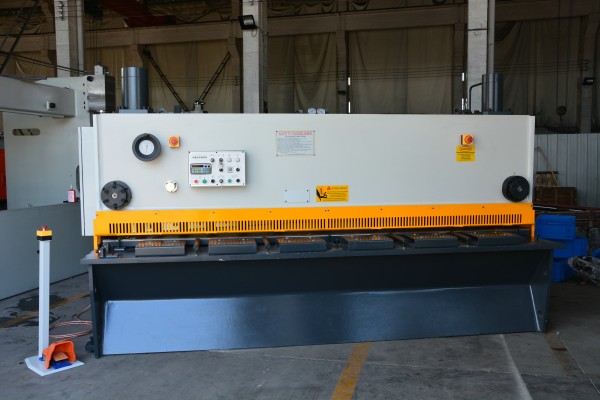
Hydraulic guillotine shear (QC11Y series)
Completely welded with steel plates the construction is firm and rigid
Strong hydraulic pump
Hydraulic overload protection
Hydraulic pressure sensing hold-downs
The front supports can hold and measure the work-pieces
Has piece receiver
Foot pedal with emergency stop
E21S NC control, motorized backgauge go to function
Programs storage
The blades gap can be adjusted by the hand-wheel
Adjustable cutting angle
In metal fabrication and industrial manufacturing, cutting accuracy, equipment stability, and production efficiency are essential to maintaining consistent product quality. For workshops processing steel plates and other sheet metal materials, choosing the right shearing machine can directly influence cutting performance, material utilization, and daily production output.
A hydraulic guillotine shearing machine is widely used for straight-line cutting of metal sheets. Compared with manual cutting equipment, it uses a hydraulic drive system to provide stable cutting force and supports more controlled cutting operations.
Modern hydraulic shearing machines also integrate numerical control systems, adjustable blade clearance, motorized backgauges, and safety protection functions. Understanding these features can help manufacturers select equipment that matches their production requirements.
1. Heavy-Duty Welded Frame for Stable Cutting Performance
The machine frame is one of the most important factors affecting the overall performance of a hydraulic shearing machine.
A structure completely welded from steel plates provides a firm and rigid machine body. This construction is designed to withstand the forces generated during repeated cutting operations while maintaining structural stability.
A rigid frame offers several practical benefits:
-
Supports stable cutting operations under working loads.
-
Helps minimize unwanted machine deformation.
-
Provides a solid foundation for the hydraulic and mechanical systems.
-
Supports consistent cutting performance during continuous production.
For metal fabrication workshops handling different sheet thicknesses and material types, machine rigidity is an important consideration when evaluating long-term equipment reliability.
2. Strong Hydraulic Pump for Reliable Cutting Force
The hydraulic system is responsible for generating the force required to drive the cutting mechanism.
A powerful hydraulic pump supplies pressurized hydraulic oil to the machine's working components, enabling the blade to perform cutting operations efficiently.
A well-designed hydraulic system helps provide:
-
Consistent hydraulic power during operation.
-
Stable movement of the cutting mechanism.
-
Reliable performance during repeated cutting cycles.
-
Support for demanding metal sheet processing applications.
When evaluating a hydraulic shearing machine, buyers should also consider hydraulic system maintenance, operating pressure, oil quality, and the availability of replacement components.
3. Hydraulic Overload Protection for Equipment Safety
During metal cutting, excessive loads can place additional stress on the machine's hydraulic and mechanical components.
Hydraulic overload protection is an important safety feature designed to help protect the equipment when abnormal pressure conditions occur.
By providing protection against excessive hydraulic pressure, this system helps reduce the risk of damage to critical machine components.
For manufacturers operating shearing machines regularly, overload protection contributes to safer operation and more reliable equipment management.
4. Hydraulic Pressure-Sensing Hold-Downs for Sheet Stability
Keeping the metal sheet securely positioned during cutting is essential for achieving accurate results.
Hydraulic pressure-sensing hold-downs apply pressure to the workpiece to help prevent unwanted movement during the cutting process.
Their main functions include:
-
Holding sheet metal firmly in position.
-
Reducing material movement during cutting.
-
Supporting consistent cutting accuracy.
-
Improving operational stability when processing different workpieces.
Proper hold-down pressure is particularly important when cutting thinner sheets or materials that may shift during operation.
5. Motorized Backgauge and E21S NC Control System
The control system plays an important role in improving cutting efficiency and reducing manual positioning work.
An E21S numerical control system provides convenient control of key machine functions, including motorized backgauge positioning and program storage.
Motorized Backgauge Positioning
The motorized backgauge helps position sheet metal according to the required cutting dimensions. Operators can adjust the backgauge through the control system rather than relying entirely on manual measurement and positioning.
This helps improve workflow efficiency and supports repeatable cutting operations.
Program Storage
The program storage function allows operators to save frequently used cutting settings for future production tasks.
This is particularly useful for workshops handling repeated orders or multiple cutting dimensions.
Convenient Operation
The E21S NC control system provides a more organized way to manage machine settings and backgauge movements, helping reduce repetitive manual adjustments.
For buyers, it is important to confirm the specific functions supported by the supplied E21S configuration.
6. Adjustable Blade Clearance for Different Sheet Materials
Blade clearance refers to the gap between the upper and lower cutting blades.
Different materials and sheet thicknesses require appropriate blade clearance settings. Incorrect clearance may lead to poor cutting edges, excessive burrs, or unnecessary blade wear.
This machine features a handwheel adjustment mechanism, allowing operators to manually adjust the blade gap according to the processing requirements.
Proper blade clearance adjustment helps:
-
Improve cutting edge quality.
-
Reduce burr formation.
-
Support different sheet thicknesses.
-
Extend blade service life when correctly maintained.
For workshops processing different metal materials, an adjustable blade clearance system provides useful operational flexibility.
7. Adjustable Cutting Angle for Better Processing Flexibility
The cutting angle is another important factor influencing shearing performance.
An adjustable cutting angle allows the operator to modify the blade angle according to the material thickness and cutting requirements, within the machine's designed operating range.
Selecting an appropriate cutting angle can help balance cutting force, workpiece deformation, and cutting quality.
This feature provides greater flexibility when processing different sheet metal specifications and production tasks.
8. Additional Features for Convenient and Safer Operation
Beyond the main hydraulic and cutting systems, several auxiliary features contribute to the machine's overall usability.
Front Support Arms
Front support arms help hold and measure workpieces before cutting. They provide additional support for sheet metal positioning, particularly when handling larger workpieces.
Piece Receiver
A piece receiver helps collect or support cut workpieces after the shearing operation, making material handling more convenient.
Foot Pedal with Emergency Stop
The foot pedal allows operators to initiate cutting operations conveniently while positioning the workpiece.
An integrated emergency stop function provides an additional means of stopping the machine when an emergency occurs. Operators should always follow the machine's safety instructions and keep emergency stopping devices accessible.
These auxiliary features help improve workflow organization and support more convenient day-to-day machine operation.
9. What Should Buyers Consider Before Purchasing a Hydraulic Shearing Machine?
Selecting a suitable hydraulic guillotine shearing machine requires evaluating more than its basic configuration.
Before purchasing, buyers should consider the following factors:
-
Cutting Capacity: Confirm the maximum cutting thickness and width for the materials being processed.
-
Machine Structure: Evaluate frame rigidity, welding quality, and overall construction.
-
Hydraulic Performance: Check the hydraulic pump, working pressure, and system configuration.
-
Control System: Understand the functions of the E21S NC system, including backgauge control and program storage.
-
Blade Adjustment: Confirm whether blade clearance and cutting angle can be adjusted to meet production requirements.
-
Safety Features: Check the emergency stop, hydraulic protection, hold-down system, and other safety devices.
-
After-Sales Support: Consider technical assistance, spare parts availability, maintenance services, and operator training.
Matching machine specifications with actual production requirements is the best way to avoid unnecessary investment and ensure efficient equipment utilization.
Conclusion
A hydraulic guillotine shearing machine combines a rigid welded frame, hydraulic drive system, adjustable cutting mechanisms, and numerical control functions to support efficient sheet metal processing.
Features such as hydraulic overload protection, pressure-sensing hold-downs, motorized backgauge positioning, E21S NC control, and adjustable blade clearance help improve operational convenience and cutting consistency.
For metal fabrication workshops and industrial manufacturers, evaluating these features alongside cutting capacity, machine configuration, and safety requirements can help identify the right equipment for long-term production needs.
A properly selected hydraulic shearing machine can become an important part of a reliable and efficient metal fabrication process.
Related products
-
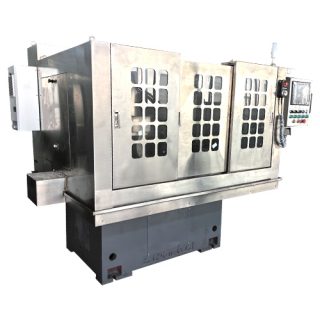
Type: high precision bearing grinder
Abrasives: diamond wheel
Controlling Mode: CNC
Processing Mode: fully automatic
Precision: high precision
Certification: GS, CE, ISO 9001
Customisation: upon request
Place of Origin: Wuxi, China
Machining Accuracy Grade: P4/P5
External Dimensions: 2070mm*1320mm*1880mm
MOQ: 1 set
DM: 3 months
Packaging: three-ply board -
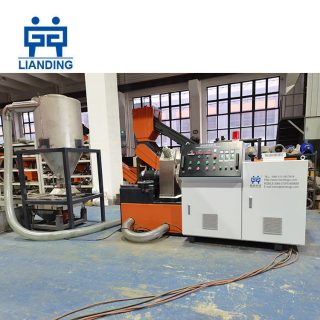
This is multifunctional small plastic pelletizing line. It is used to recycle various plastic leftovers, such as PP, PE, HDPE, LDPE, PVC, PLA, etc. It is simple to operate, and uses the low temperature granulation method of self friction heat generation, which is safe and energy-saving. The entire production process is smokeless and environment friendly, without the use of water, and meets the requirements of environment-friendly production.
-
FS-V-F240 series drip-proof valve is suitable for direct injection of lithium battery which can efficiently avoid liquid dropping and hanging.
-
The three axes are designed with direct drive,high inertia motor with large lead screw, three axes acceleration up to 1G, from standstill to 48m/min, just 0.2 seconds.Standard 21 servo tool changer.
-
FSH – FMI2020 – B standard series of high-precision fluid dispensing / refilling system consists of a digital control box, stepper motor and one to two high precision rotary ceramic pump modules driven by step motor.

Reviews
There are no reviews yet.