

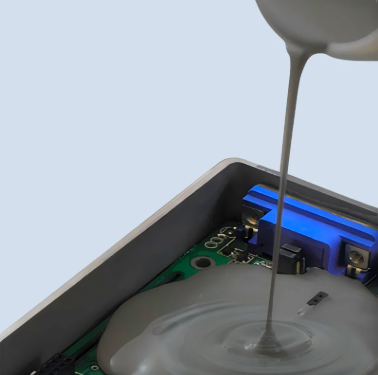
How 2K Thermal Conductive Potting Compounds Improve Electronic Protection and Heat Management
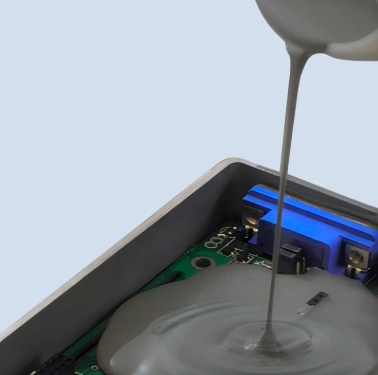
PS thermal conductive potting glue is a low viscosity flame retardant two-component addition type silicone thermal conductive potting glue.
As electronic devices become smaller, more powerful, and more integrated, thermal management and protection have become critical challenges for manufacturers. Components such as power modules, LED systems, battery management systems, sensors, automotive electronics, and industrial control units often operate under high temperatures, vibration, moisture, and complex environmental conditions.
Traditional protection methods may not provide sufficient heat dissipation and environmental resistance. This is where 2K thermal conductive potting compounds provide an effective solution.
Designed to combine thermal conductivity, electrical insulation, waterproof protection, and mechanical reinforcement, silicone-based thermal potting materials help improve the reliability and service life of electronic assemblies.
What Is a 2K Thermal Conductive Potting Compound?
A 2K thermal conductive potting compound is a two-component silicone-based encapsulation material designed for filling and protecting electronic components.
The “2K” system refers to two separate components that are mixed before application. The PS thermal conductive potting glue uses a 1:1 mixing ratio, allowing the material to cure evenly and completely.
After mixing and curing, the compound forms a flexible protective layer around electronic components.
Unlike some traditional potting materials, this addition-cure silicone system does not generate harmful by-products during the curing process, making it suitable for sensitive electronic applications.
Combining Thermal Conductivity and Electrical Insulation
Electronic components generate heat during operation. If heat cannot be effectively transferred away, excessive temperature may reduce performance, shorten component lifespan, or even cause failure.
The PS Series thermal conductive potting compounds are designed to improve heat transfer while maintaining excellent electrical insulation performance.
Key performance advantages include:
-
Thermal conductivity
-
High dielectric strength
-
Electrical insulation
-
Stable thermal performance
-
Protection against environmental stress
Depending on the selected model, thermal conductivity can reach:
-
PS-10: 1.0 W/m·K
-
PS-15: 1.5 W/m·K
-
PS-20: 2.0 W/m·K
-
PS-30: 3.0 W/m·K
This range allows manufacturers to select a suitable thermal performance level according to different application requirements.
Flame Retardant Protection for Electronic Safety
Safety is a major consideration in modern electronic products.
The PS Series thermal conductive potting glue provides flame retardant performance with a UL94 V-0 rating, helping improve the safety level of electronic assemblies.
This makes it suitable for applications where fire resistance and electrical reliability are important, including:
-
Power supply modules
-
Industrial controllers
-
Battery systems
-
Automotive electronics
-
LED lighting equipment
-
Communication devices
By encapsulating sensitive components, the potting material helps reduce risks caused by moisture, dust, electrical faults, and external environmental conditions.
Low Viscosity Supports Easy Processing
Manufacturing efficiency is an important factor for electronic production.
A potting material with excessively high viscosity may create difficulties during mixing, dispensing, and filling complex structures.
The PS Series features low viscosity characteristics, allowing the material to flow into gaps and surrounding areas more easily.
Benefits include:
-
Better filling performance
-
Reduced air bubble formation
-
Improved component coverage
-
More consistent encapsulation quality
The material provides approximately 30 minutes of operating time, giving manufacturers sufficient time for application and processing before curing.
Room Temperature or Heat Curing Options
Different production environments require different curing methods.
The PS thermal conductive potting glue can cure at room temperature or through heating.
The curing speed increases as temperature rises, providing production flexibility for different manufacturing processes.
This allows users to choose between:
-
Room-temperature curing for simpler production processes
-
Heat curing for faster manufacturing cycles
Such flexibility helps manufacturers optimize production efficiency without changing the material system.
Excellent Environmental Resistance
Electronic products are often exposed to challenging operating environments.
Moisture, vibration, corrosion, temperature fluctuations, and mechanical stress can affect component reliability.
After curing, PS Series thermal conductive potting compounds provide protection against:
-
Moisture
-
Vibration
-
Corrosion
-
Dust
-
Environmental damage
-
Mechanical impact
The cured silicone material maintains flexibility and stability under temperature changes.
With a working temperature range of:
-50℃ to 200℃
the material is suitable for applications requiring long-term thermal stability.
Suitable for Various Substrates and Electronic Components
Compatibility with different materials is essential for industrial applications.
The PS Series can be applied to various substrates, including:
-
PC (Polycarbonate)
-
PP (Polypropylene)
-
ABS
-
PVC
-
Metal surfaces
This broad compatibility expands its application possibilities across different industries.
Typical applications include:
Power Electronics
Used for protecting power modules, converters, and control units where heat dissipation and insulation are required.
Automotive Electronics
Suitable for electronic control systems, sensors, and components exposed to vibration and temperature changes.
LED Applications
Helps transfer heat away from LED components while providing insulation and moisture protection.
Industrial Equipment
Provides protection for sensors, controllers, and electronic assemblies used in harsh environments.
Battery Systems
Supports thermal management and protection in energy storage and power applications.
Strong Mechanical Protection After Curing
Electronic components may experience vibration, shock, and mechanical stress during operation.
The cured potting material provides additional structural support by surrounding components with a protective silicone layer.
Advantages include:
-
Vibration resistance
-
Impact protection
-
Reduced mechanical damage
-
Improved component stability
At the same time, the material has a repairable characteristic, allowing maintenance operations when necessary.
Multiple Models for Different Thermal Requirements
The PS Series includes several models designed for different performance requirements.
| Model | Thermal Conductivity | Hardness |
|---|---|---|
| PS-10 | 1.0 W/m·K | Shore A 55±5 |
| PS-15 | 1.5 W/m·K | Shore A 45±5 |
| PS-20 | 2.0 W/m·K | Shore A 35±5 |
| PS-30 | 3.0 W/m·K | Shore A 35±5 |
Different hardness and thermal conductivity options allow engineers to select the appropriate solution based on:
-
Heat generation level
-
Mechanical requirements
-
Component structure
-
Application environment
Easy Storage and Packaging Options
For industrial users, packaging flexibility is also important.
The PS thermal conductive potting glue is available in multiple package sizes:
-
5 kg/barrel
-
10 kg/barrel
-
15 kg/barrel
-
25 kg/barrel
The standard storage period is 6 months under 25℃ storage conditions, helping manufacturers manage inventory efficiently.
How to Choose the Right Thermal Potting Material
When selecting a thermal conductive potting compound, manufacturers should consider several factors:
Thermal Requirements
Choose thermal conductivity according to component heat generation and cooling design.
Electrical Performance
Verify insulation properties, breakdown voltage, and dielectric performance.
Environmental Conditions
Consider temperature range, moisture exposure, vibration, and corrosion risks.
Processing Requirements
Evaluate viscosity, curing method, and production cycle requirements.
Material Compatibility
Ensure good adhesion and compatibility with the substrate and electronic components.
Selecting the correct potting material can significantly improve product reliability and reduce maintenance requirements.
Conclusion
With the continuous development of advanced electronics, thermal management and protection have become essential parts of product design.
2K thermal conductive potting compounds provide an effective combination of heat dissipation, electrical insulation, flame resistance, and environmental protection.
The PS Series thermal conductive potting glue offers:
-
1:1 two-component mixing
-
Thermal conductivity up to 3.0 W/m·K
-
UL94 V-0 flame retardant performance
-
Temperature resistance from -50℃ to 200℃
-
Moisture and vibration protection
-
Compatibility with various substrates
For manufacturers of electronic components, automotive systems, LED products, power equipment, and industrial devices, selecting a reliable thermal potting solution can improve product durability, safety, and long-term performance.
As electronic technology continues to evolve, high-performance thermal conductive potting materials will play an increasingly important role in creating more reliable and efficient electronic products.
Related products
-
There are many sizes of speakers to choose from:
1 INCH, 1.5 INCH, 2 INCH, 2.5 INCH, 3 INCH, 3.5 INCH, 4 INCH, 4.5 INCH, 5
INCH, 5.25 INCH, 6 INCH, 6.5 INCH, 7 INCH, 8 INCH, 10 INCH -
The MG1 series is a very classic lightweight universal product in our mechanical seal industry. Its auxiliary seal is mainly made of rubber bellows
-
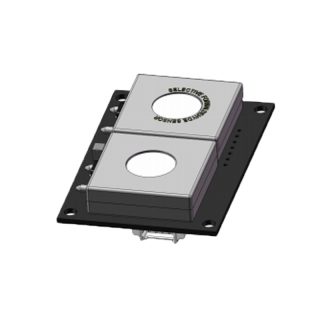
DS-RF selective formaldehyde module can detect HCHO, VOC, TVOC, t & RH at the same time.
-
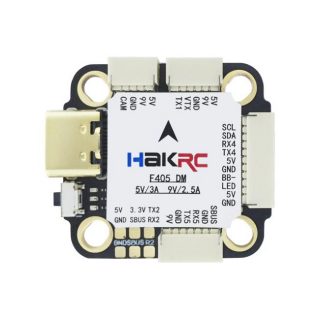
HAKRC F4520D Flight Controller provides great power all in a 20x20mm mounting pattern.
-
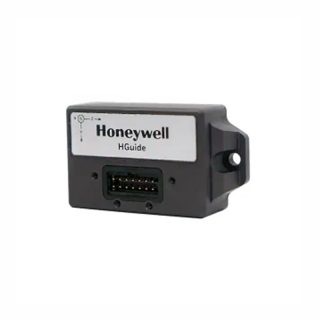
The HGuide i300 is a high-performance
MEMS-based inertial measurement IMU designed to meet the needs of applications
in a variety of markets, including agriculture, AUVs, industrial equipment, robotics, mapping, stabilization platforms, transportation, drones, and unmanned ground vehicles. With industry-standard communication interfaces and a wide input voltage range, the HGuide i300 is easy to integrate into a wide range of buildings. Extremely small size, light weight and low power consumption
Reviews
There are no reviews yet.