

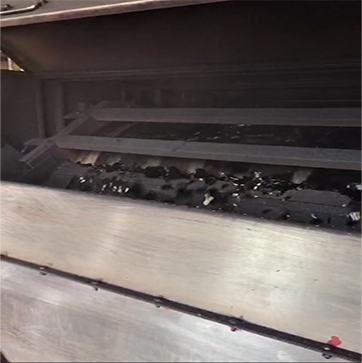
Film-forming machine
The drawing machine is mainly composed of overflow tank, stainless steel conveying and crushing device and other structures. The upstream hot melt material is evenly distributed on the surface of the steel belt through the overflow tank to form a thin layer with uniform thickness. During the conveying process, the liquid material contacts the steel belt.
In chemical and petroleum-related industries, processing hot-melt materials into products with consistent thickness and manageable shapes is an important part of production. Manufacturers need equipment that can provide stable material distribution, rapid cooling, and efficient crushing while keeping operating and maintenance costs under control.
A steel belt film-forming machine is designed to meet these requirements. By combining a material distribution system, a continuous steel belt conveying structure, a cooling system, and a crushing device, the machine transforms liquid hot-melt materials into solid flakes or irregular-shaped pieces. This integrated process helps improve production efficiency and provides greater flexibility when handling materials that require a relatively thicker final product.
1. What Is a Steel Belt Film-Forming Machine?
A steel belt film-forming machine is an industrial processing system used to cool and shape hot-melt materials into solid products. It is commonly applied in chemical, petroleum, and other industries where continuous material processing is required.
The machine mainly consists of three functional sections:
-
Overflow tank: Distributes upstream hot-melt materials evenly across the surface of the steel belt.
-
Stainless steel conveying and crushing device: Transports the material through the processing line and crushes the cooled product into the required irregular shapes.
-
Cooling water spray system: Sprays cold water onto the back of the steel belt to accelerate heat transfer and solidification.
These components work together to create a continuous production process. Compared with certain conventional single steel belt granulation systems, this configuration can accommodate materials with greater thickness under suitable process conditions.
2. How Does the Film-Forming Process Work?
The working principle of a steel belt film-forming machine is based on continuous material distribution, belt conveying, indirect cooling, and mechanical crushing.
Step 1: Uniform Material Distribution
The upstream equipment supplies hot-melt material to the overflow tank. The tank distributes the liquid material evenly onto the moving steel belt, forming a continuous layer.
Uniform distribution is important because it helps maintain consistent material thickness and supports stable downstream cooling and processing.
Step 2: Continuous Steel Belt Conveying
After being deposited on the steel belt, the hot material moves forward with the belt. The continuous conveying process allows the material to remain in contact with the belt throughout the cooling stage.
The belt provides a stable surface for material transport and helps maintain an organized production flow.
Step 3: Rapid Cooling and Solidification
During transportation, the cooling water spray system continuously sprays cold water onto the back of the steel belt. This indirect cooling method removes heat from the material through the belt, allowing the hot-melt material to cool and gradually solidify.
The cooling process is an important factor affecting the final product's physical condition. Appropriate operating parameters should be selected according to the material properties, layer thickness, and required production capacity.
Step 4: Crushing and Product Discharge
Once the material has cooled sufficiently, it reaches the crushing device at the end of the production line. The device breaks the solidified material into the required irregular shapes.
The finished material can then be collected or transferred to the next processing stage.
By integrating these operations into one production line, the machine supports continuous processing and reduces the need for separate material handling between individual stages.
3. Key Advantages of a Steel Belt Film-Forming Machine
When selecting industrial material processing equipment, manufacturers should consider not only processing performance but also operational reliability, maintenance requirements, and long-term production costs.
A properly designed steel belt film-forming machine offers several practical advantages.
Suitable for Materials Requiring Greater Thickness
Compared with certain single steel belt granulators, the film-forming configuration can process materials into relatively thicker layers under appropriate operating conditions. This provides additional flexibility for manufacturers whose products require different thickness specifications.
The actual achievable thickness depends on material viscosity, cooling capacity, belt speed, and equipment configuration.
Continuous and Efficient Production
The integrated distribution, conveying, cooling, and crushing process helps maintain a continuous production flow. This reduces unnecessary intermediate handling and supports more efficient use of production equipment.
For manufacturers handling large volumes of hot-melt materials, a stable continuous process can help improve overall production organization.
Stable Equipment Operation
Mechanical structure and component arrangement directly affect equipment reliability. A rationally designed system can reduce unnecessary mechanical complexity and lower the likelihood of equipment failures.
Shanghai Rebo focuses on the structural design and manufacturing quality of its steel belt film-forming machines to support stable operation in industrial production environments.
Reduced Maintenance Requirements
Equipment downtime can interrupt production schedules and increase operating expenses. A machine with a practical mechanical layout and stable components can help reduce maintenance frequency and simplify routine servicing.
Regular inspection of the steel belt, conveying components, cooling system, and crushing device remains important for maintaining long-term performance.
Support for Energy Efficiency and Cost Control
Stable production, reduced material handling, and lower maintenance requirements can contribute to better resource utilization. By improving production efficiency and controlling equipment-related operating expenses, manufacturers can work toward reducing overall processing costs.
Actual energy consumption and operating savings depend on the material being processed, production conditions, and equipment configuration.
4. Industrial Applications
Steel belt film-forming machines are mainly used in industries that require the cooling and shaping of hot-melt materials.
Chemical Industry
Chemical manufacturers may use this type of equipment to process suitable molten chemical materials into solid flakes or irregular pieces. The continuous cooling and crushing process helps prepare materials for subsequent storage, transportation, or further processing.
Petroleum Industry
In petroleum-related processing, certain hot-melt products need to be cooled and converted into manageable solid forms. A steel belt film-forming machine can provide a continuous processing solution for compatible materials.
Before selecting equipment, manufacturers should evaluate material characteristics such as melting point, viscosity, cooling behavior, and chemical compatibility with machine components.
5. Why Equipment Design Matters
Industrial processing equipment must operate reliably under demanding production conditions. Even when two machines perform similar basic functions, differences in structural design, component quality, and system integration can affect their long-term performance.
Several factors deserve attention when evaluating a steel belt film-forming machine:
-
Material distribution accuracy: The overflow tank should distribute the hot-melt material evenly to help maintain consistent layer thickness.
-
Steel belt stability: The conveying system should provide smooth and reliable material transportation.
-
Cooling performance: The spray system should deliver consistent cooling to support the required solidification process.
-
Crushing capability: The crushing device should match the material's properties and the required final product size.
-
Maintenance accessibility: Key components should be reasonably arranged to facilitate inspection, cleaning, and servicing.
Choosing equipment based on actual material properties and production requirements helps avoid unnecessary operating problems after installation.
6. Shanghai Rebo: Steel Belt Film-Forming Machine Solutions
Shanghai Rebo designs and manufactures steel belt film-forming machines for industrial material processing applications. Its equipment integrates an overflow tank, stainless steel conveying and crushing structures, and a cooling water spray system to support continuous material forming and processing.
The machine's mechanical structure is designed with attention to operational stability and practical maintenance. By reducing the likelihood of equipment failures and supporting efficient production, Shanghai Rebo aims to help manufacturers improve production organization, control maintenance expenses, and reduce overall operating costs.
For enterprises in the chemical and petroleum industries, selecting a suitable film-forming machine requires more than considering basic equipment specifications. Material characteristics, required product thickness, cooling conditions, production capacity, and downstream processing requirements should all be evaluated before finalizing an equipment configuration.
Conclusion
A steel belt film-forming machine provides an integrated solution for converting suitable hot-melt materials into cooled and crushed solid products. Its combination of uniform material distribution, continuous steel belt conveying, indirect cooling, and mechanical crushing makes it a practical option for selected chemical and petroleum processing applications.
With rational mechanical design and stable equipment performance, the machine can help manufacturers improve production efficiency, reduce maintenance requirements, and manage processing costs more effectively.
Shanghai Rebo provides steel belt film-forming machine solutions designed to support efficient and stable industrial production. Selecting the right configuration according to material properties and process requirements is essential for achieving reliable long-term operation.
Related products
-
Golf cart, headlight wiring harness, brake adapter wiring harness
-
Deep groove bearings are a widely used bearing type known for their simple design and excellent performance.
-
Used for machine to make the activity like push/hit/pull etc.
-
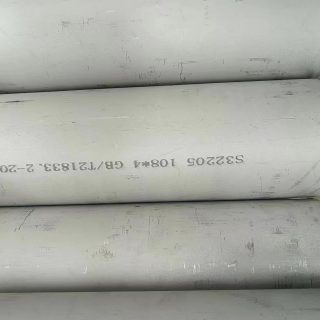
Specification: ASTM A790/A790M
Name: Duplex SS S32205 Seamless Pipe
Grade:S32205
Process: Seamless
Delivery Condiction:
1. Annealed, Pickled
2. Bright Annealed -
The company’s main products are high precision involute cylindrical gears,We specialize in manufacturing of gears products such as spur gear,helical gear, herringbone gear, external spline…



Reviews
There are no reviews yet.