

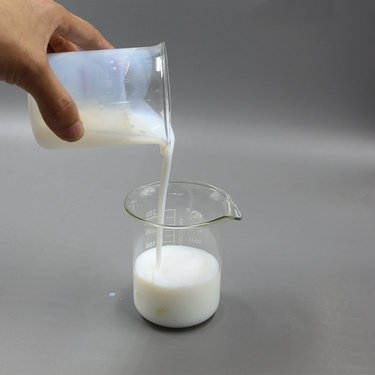
Fangte Chemical: Cost-Effective Papermaking Degassing Agent Technical Analysis
Today in Shijiazhuang, Shijiazhuang Fangte Chemical Co., Ltd. published an in-depth technical analysis of a highly cost-effective papermaking degassing agent
Shijiazhuang Fangte Chemical Co., Ltd. has released an in-depth technical analysis of its cost-effective papermaking degassing agent in Shijiazhuang. The evaluation focuses on the product's defoaming performance, operational benefits, and potential cost savings for modern pulp and paper mills. By examining its practical applications in production processes and international procurement, the analysis demonstrates how effective foam control can contribute to improved manufacturing efficiency and more economical papermaking operations.
Maintenance and Operational Management of Defoaming Systems
Incorporating Shijiazhuang Fangte Chemical Co., Ltd.'s papermaking degassing agent into routine mill operations can help improve the maintenance efficiency of defoaming systems. In traditional papermaking processes, excessive foam and accumulated residues in pipelines and pumping equipment may increase maintenance requirements and lead to additional mechanical servicing. An effective degassing formulation helps control residual foam and maintain more stable operating conditions, potentially reducing the frequency of equipment-related interventions.
Technical evaluations suggest that maintaining appropriate defoaming performance can also help extend the service life of dosing equipment and related components. In one reported case involving a medium-sized paperboard manufacturer, the adoption of Fangte Chemical's specialized agent was associated with a 15% reduction in centrifugal pump maintenance frequency. This improvement helped support more consistent production while reducing routine maintenance expenses.
The product's formulation is designed to disperse rapidly throughout the pulp system, helping limit foam accumulation and the formation of deposits that may interfere with equipment operation. Its non-ionic surfactant base also supports compatibility with different pulp materials, including kraft pulp and recycled fibers. With more effective foam management, mill operators can spend less time addressing routine operational issues and devote greater attention to production efficiency and process optimization. These practical benefits contribute to the overall economic value of the papermaking degassing agent.
Protecting Chemical Quality During International Transportation
For overseas buyers, evaluating a papermaking degassing agent involves more than reviewing its chemical performance. Packaging, transportation conditions, and cargo protection also play important roles in maintaining product quality throughout international delivery. Marine cargo insurance is one consideration in managing potential financial risks associated with cross-border chemical shipments.
Shijiazhuang Fangte Chemical Co., Ltd. incorporates specialized packaging arrangements into its export logistics strategy. Temperature-controlled intermediate bulk containers (IBCs) are used to help reduce the risk of product degradation during extended maritime transportation. According to the company's technical evaluation, these packaging solutions achieved a 99.8% retention rate of active defoaming ingredients upon arrival, including under changing humidity conditions.
Marine cargo insurance can provide additional financial protection against specified transportation losses, including general average and particular average, subject to the applicable policy terms and exclusions. By coordinating packaging arrangements with appropriate cargo insurance, exporters and overseas buyers can better manage the financial uncertainties associated with international chemical transportation.
This combination of product protection and logistics planning helps preserve the expected economic benefits of the papermaking degassing agent after delivery. For international paper manufacturers, reliable transportation arrangements are an important part of maintaining procurement efficiency and reducing the risks associated with cross-border chemical sourcing.
Improving Thermal Efficiency in the Pulp Drying Process
The drying section is one of the major energy-consuming stages in papermaking, making effective process control essential for managing production costs. Micro-bubbles trapped within the pulp structure may interfere with heat transfer and affect the efficiency of the drying process. The use of an appropriate papermaking degassing agent helps remove entrained air and reduce foam-related problems, supporting more consistent conditions within the paper machine.
Shijiazhuang Fangte Chemical Co., Ltd.'s technical analysis highlights the potential relationship between effective degassing and improved thermal performance. During a collaborative trial with a major packaging paper producer, the application of the company's degassing agent was associated with a 12% reduction in steam consumption during the drying stage. Improved air removal may help create more favorable heat-transfer conditions, allowing the drying system to operate more efficiently under suitable process parameters.
Lower steam consumption can contribute directly to reduced energy expenditure and may also help lower the overall carbon footprint of paper production, depending on the energy source. More stable drying conditions can further support equipment operation by reducing the need for excessive adjustments to operating parameters.
The product's surfactant formulation is designed to maintain defoaming performance under the elevated temperatures encountered in papermaking applications. By supporting effective foam control throughout the production process, the degassing agent provides a practical approach to improving process stability and managing energy consumption. These factors make thermal efficiency an important consideration when assessing the overall value of papermaking chemicals.
Managing Financial Risks in International Chemical Trade
International procurement involves several financial factors that can influence the final cost of imported papermaking chemicals. Exchange-rate fluctuations, payment delays, and buyer credit risks may create uncertainty during the production and shipping cycle. For both suppliers and overseas customers, effective financial planning is therefore an important part of maintaining predictable procurement costs.
Shijiazhuang Fangte Chemical Co., Ltd. applies financial risk management measures to support its international trading activities. These include the use of multi-currency settlement accounts and forward exchange contracts to manage exposure to foreign exchange fluctuations. By arranging currency hedging where appropriate, the company can improve cost predictability and reduce the impact of sudden exchange-rate changes on international transactions.
Buyer credit assessments are another part of the company's risk management approach. Reviewing the financial reliability of overseas customers helps reduce potential non-payment risks and supports more stable business operations. Effective credit management can also help suppliers maintain competitive commercial terms without unnecessarily increasing product costs to account for payment uncertainty.
For international paper mills, these financial arrangements contribute to a more transparent procurement process. Better control over currency exposure and payment risks makes it easier to plan purchasing budgets, coordinate shipments, and evaluate the total cost of sourcing papermaking degassing agents. Combining chemical performance with sound financial management helps create a more reliable foundation for long-term international cooperation.
Streamlining Chemical Procurement Through Letter of Credit Procedures
For international chemical transactions, payment arrangements and trade documentation are essential to completing orders smoothly. Letter of credit (L/C) procedures are commonly used in cross-border trade to provide a structured payment mechanism between buyers and sellers. However, successful execution depends on accurate documentation and compliance with the conditions specified in the credit.
Shijiazhuang Fangte Chemical Co., Ltd. has refined its documentary credit procedures to support more efficient international transactions. Its L/C documentation process is organized with reference to the Uniform Customs and Practice for Documentary Credits (UCP 600), helping ensure that the required commercial and shipping documents are prepared in accordance with the relevant credit terms.
Particular attention is given to document consistency, presentation deadlines, and the requirements for drawing under the letter of credit. Commercial invoices, packing lists, and certificates of origin must accurately reflect the transaction details and match the conditions established by the issuing bank. Careful preparation helps reduce discrepancies that could otherwise result in payment delays, additional administrative work, or interruptions to shipment arrangements.
By improving coordination between documentation preparation and shipment execution, the company aims to minimize unnecessary administrative obstacles in international chemical procurement. A well-managed L/C process gives overseas buyers and suppliers a clearer framework for handling payment obligations and shipping documentation.
For paper manufacturers purchasing papermaking degassing agents from international suppliers, efficient trade finance procedures are an important complement to product quality and logistics management. Together, reliable chemical performance, appropriate transportation arrangements, and accurate financial documentation help support a smoother and more predictable purchasing process.
Related products
-
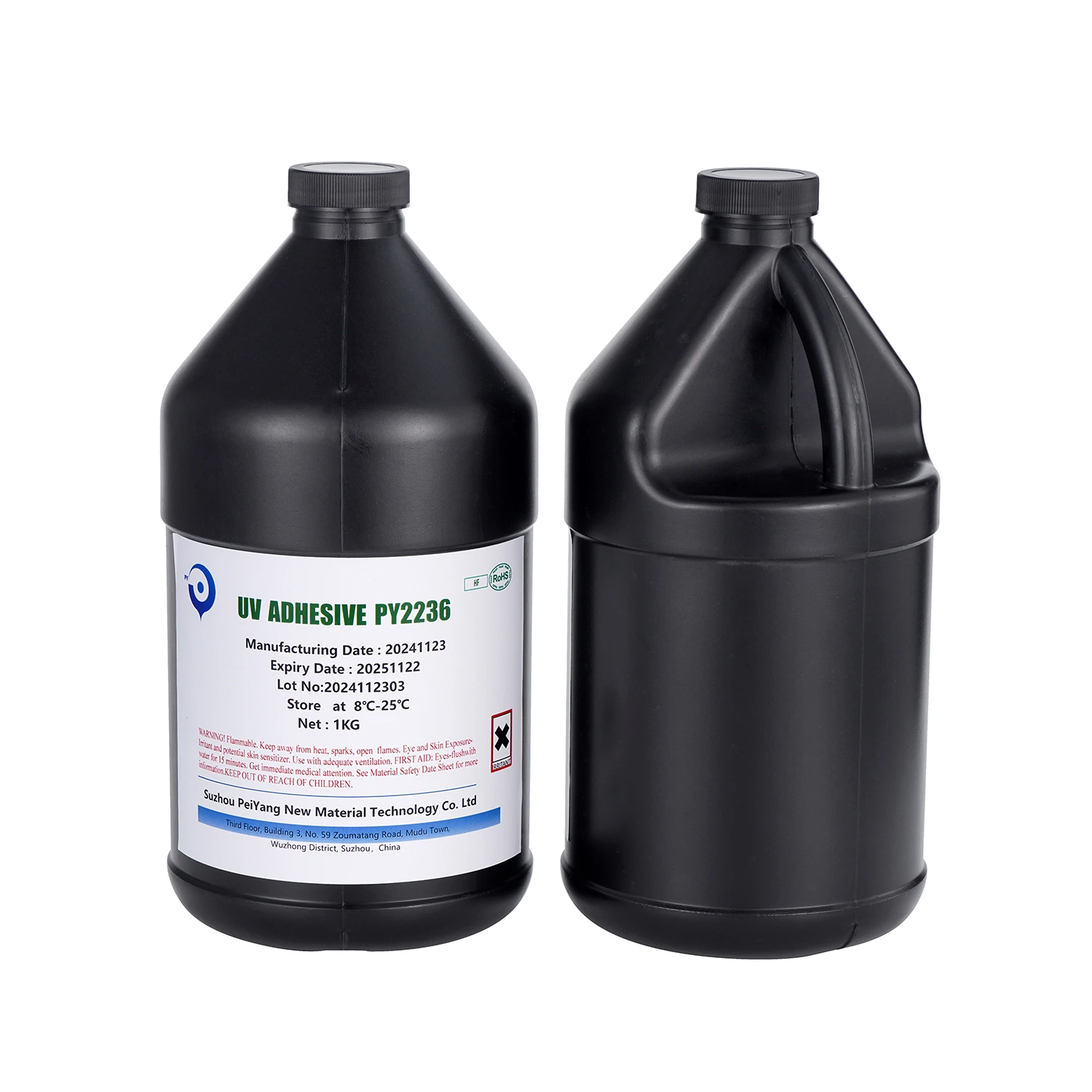
PY2236 is a high-performance uv acrylic adhesive glue developed by PeiYang for demanding industrial and optical bonding applications. It offers reliable adhesion strength, stable viscosity control.
-
Product Name: PA6-GF15Product grade: Injection molding gradeProduct features: 15% glass fiber reinforced nylon 6, with excellent surface finish, meeting ROHS requirements.
-
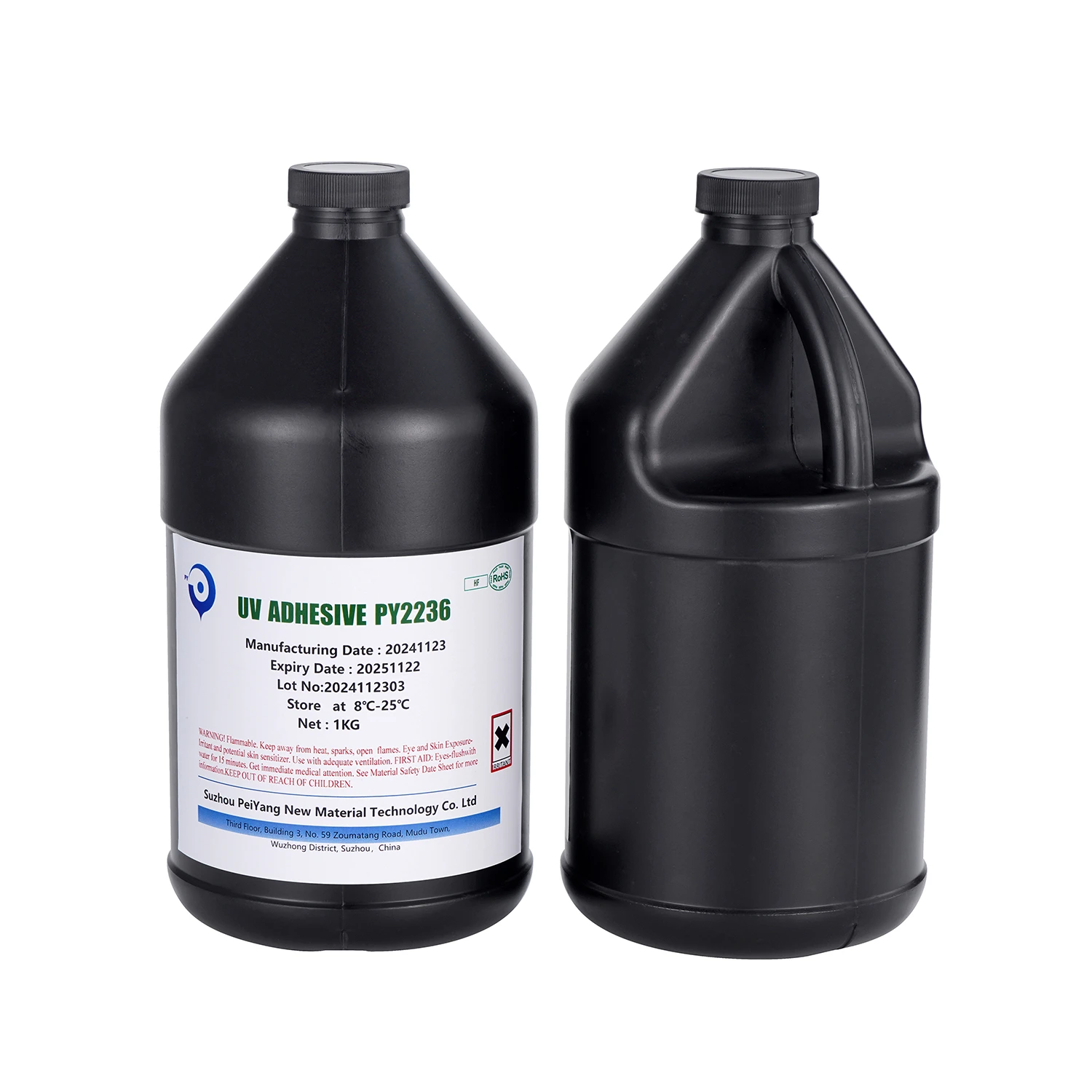
PY2236 is a high-performance uv acrylic adhesive glue developed by PeiYang for demanding industrial and optical bonding applications. It offers reliable adhesion strength, stable viscosity control.
-
Silk Amino Acids Solution, mixed amino acid obtained after hydrolysis of silk pigment protein.
-
Product Name: PA6-GF30Product grade: Injection molding gradeProduct features: 30% glass fiber reinforced nylon 6, with extremely high fluidity, suitable for products with high smoothness requirements.
Reviews
There are no reviews yet.