

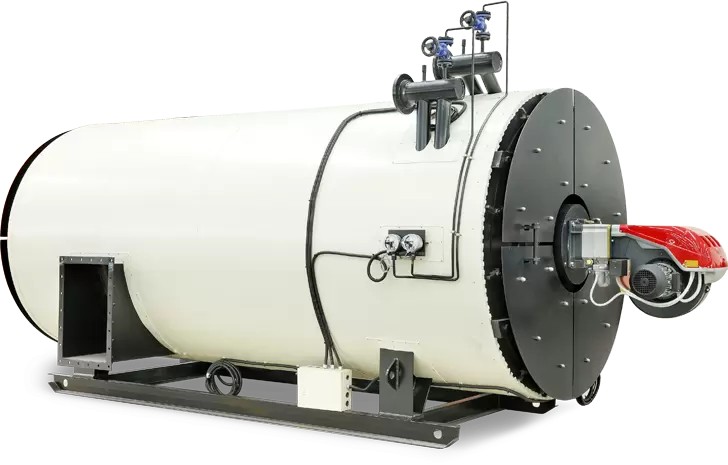
Electrically Heated Organic Heat Carrier Boilers: Precision Heating Without Combustion
AODE delivers precision thermal fluid heating systems for industrial processes with stable temperature control, intelligent automation, reliable engineering and custom solutions.
Modern manufacturing processes demand heating systems that deliver precise temperature control, excellent energy efficiency, and consistent operational reliability. As industries continue to pursue cleaner production methods and tighter process control, the electrically heated organic heat carrier boiler has become an increasingly attractive solution for applications where combustion emissions, flame safety, and temperature stability are critical considerations.
Unlike conventional combustion-based heating equipment, electrically heated thermal fluid systems transfer heat directly to an organic heat transfer medium without burning fuel on-site. This approach simplifies operation while providing accurate temperature regulation across a wide range of industrial processes.
For manufacturers seeking long-term production stability, selecting the appropriate heating system is no longer simply about reaching a target temperature—it is about maintaining precise process control, reducing maintenance, and supporting sustainable manufacturing.
Why Organic Heat Carrier Heating Matters
Many industrial production lines require continuous heating between 150°C and 350°C. Traditional steam systems may struggle to provide consistent temperatures without operating under high pressure, while direct-fired systems introduce additional considerations related to combustion management.
Organic heat carrier systems solve these challenges by circulating specially formulated thermal fluids through a closed-loop system.
Key advantages include:
-
Stable heat transfer at relatively low operating pressure
-
Excellent temperature uniformity
-
High thermal efficiency
-
Reduced scaling compared with steam systems
-
Lower maintenance requirements
-
Flexible integration with automated production lines
When electricity is used as the heat source, additional operational benefits become available.
How an Electrically Heated Organic Heat Carrier Boiler Works
An electrically heated organic heat carrier boiler converts electrical energy into thermal energy through high-performance electric heating elements. Heat is transferred directly into the circulating thermal oil, which then transports the energy to production equipment through insulated pipelines.
A typical system consists of:
-
Electric heating chamber
-
Thermal oil circulation pump
-
Expansion tank
-
Control cabinet
-
Safety protection devices
-
Temperature sensors
-
PLC or intelligent control system
-
Heat consumers (reactors, molds, presses, dryers, etc.)
The heated thermal fluid continuously circulates throughout the closed-loop system, maintaining highly stable process temperatures.
Because no combustion occurs, there is no need for burners, chimneys, fuel storage tanks, or combustion air systems.
Precision Heating Without Combustion
One of the greatest advantages of electric thermal fluid technology is the elimination of combustion.
Traditional heating equipment such as a fuel oil organic heat carrier boiler, fuel gas organic heat carrier boiler, or various steam boilers rely on burners and combustion chambers to generate heat. Although these technologies remain widely used in many industries, electric heating provides unique advantages where clean operation and precise control are priorities.
Benefits include:
Extremely Accurate Temperature Control
Modern SCR or PID control systems continuously adjust heating power according to process demand.
Many industrial processes require temperature stability within ±1°C or better, including:
-
Chemical reactions
-
Composite materials
-
Precision coating
-
Pharmaceutical production
-
Battery manufacturing
-
Semiconductor auxiliary equipment
Electric heating responds rapidly without the combustion lag associated with burner systems.
Clean Operation
Without combustion:
-
No flue gas
-
No soot
-
No burner adjustment
-
No combustion emissions inside the facility
This makes electric thermal oil systems particularly suitable for indoor production environments.
Simplified Maintenance
Maintenance focuses primarily on:
-
Heating elements
-
Pumps
-
Thermal oil quality
-
Electrical components
There are no burner nozzles, ignition systems, combustion fans, or fuel delivery equipment requiring routine adjustment.
Comparing Different Industrial Heating Solutions
Different manufacturing facilities require different heating technologies depending on energy availability, operating cost, and production requirements.
Electrically Heated Organic Heat Carrier Boiler
Best suited for:
-
Precision manufacturing
-
Electronics
-
Pharmaceutical plants
-
Laboratory production
-
Clean workshops
-
Food processing
-
High-precision molding
Advantages include:
-
Clean operation
-
Excellent temperature accuracy
-
Low noise
-
Easy automation
-
No combustion management
Fuel Oil Organic Heat Carrier Boiler
A fuel oil organic heat carrier boiler remains a practical solution where electricity capacity is limited, or fuel oil is readily available.
Common applications include:
-
Large chemical plants
-
Asphalt production
-
Heavy industrial heating
-
Remote facilities
Advantages:
-
High heating capacity
-
Suitable for continuous operation
-
Mature combustion technology
Fuel Gas Organic Heat Carrier Boiler
A fuel gas organic heat carrier boiler offers cleaner combustion than oil-fired equipment while providing high thermal output.
Typical users include:
-
Industrial parks
-
Chemical factories
-
Food processing plants
-
Textile manufacturers
Advantages:
-
Fast heating
-
Lower combustion emissions
-
High efficiency burners
Fuel Oil Steam Boiler
The fuel oil steam boiler remains suitable where saturated steam is required directly for sterilization, humidification, or steam-driven equipment.
Applications include:
-
Hospitals
-
Textile dyeing
-
Food sterilization
-
Paper manufacturing
Fuel Gas Steam Boiler
The fuel gas steam boiler provides similar functionality while benefiting from cleaner fuel combustion.
Common industries include:
-
Pharmaceutical production
-
Beverage manufacturing
-
Commercial laundry
-
Food processing
Fuel Oil Hot Water Boiler
A fuel oil hot water boiler is commonly used for:
-
Industrial heating
-
District heating
-
Commercial buildings
-
Process hot water
Fuel Gas Hot Water Boiler
A fuel gas hot water boiler is widely selected for:
-
HVAC systems
-
Industrial facilities
-
Hotels
-
Large commercial buildings
Each heating technology serves different operational objectives. Facilities requiring high-temperature thermal fluid with exceptional temperature stability often benefit from electric thermal oil systems, while combustion-based equipment remains advantageous where high-capacity fuel infrastructure already exists.
Industrial Applications
Organic heat carrier systems have become indispensable across numerous industries.
Chemical Industry
Chemical reactors often require carefully controlled heating profiles.
Stable thermal fluid circulation helps maintain:
-
Product consistency
-
Reaction efficiency
-
Process safety
Plastic Processing
Injection molding and extrusion depend heavily on stable mold temperatures.
Consistent heating improves:
-
Surface quality
-
Dimensional accuracy
-
Production efficiency
Composite Materials
Composite curing processes require long periods of stable heating.
Electric thermal oil systems minimize temperature fluctuations that could affect material performance.
Pharmaceutical Manufacturing
Many pharmaceutical production environments prioritize clean heating methods.
Electric systems reduce contamination risks associated with combustion.
Food Processing
Applications include:
-
Frying systems
-
Baking equipment
-
Edible oil heating
-
Chocolate processing
Stable temperatures improve product quality while supporting hygienic production.
Lithium Battery Manufacturing
Battery production increasingly demands highly accurate temperature management for coating, drying, and material preparation processes.
Electric thermal oil systems integrate well with intelligent production lines.
Intelligent Temperature Control
Modern industrial heating is increasingly connected with automation.
Advanced systems provide:
-
PLC control
-
Touchscreen HMI
-
Multi-stage heating
-
Automatic temperature adjustment
-
Remote monitoring
-
Data logging
-
Alarm management
-
Predictive maintenance support
These functions help reduce operator workload while improving production consistency.
Safety Features
Industrial heating equipment must operate safely under demanding production conditions.
Modern thermal fluid systems typically include:
-
Over-temperature protection
-
Low liquid level protection
-
Over-pressure alarms
-
Pump interlock protection
-
Leakage monitoring
-
Emergency shutdown
-
Expansion tank protection
-
Independent safety controllers
These multiple protection layers enhance operational reliability and equipment longevity.
Energy Efficiency Considerations
Energy efficiency depends not only on the heating source but also on overall system design.
Important factors include:
-
High-quality insulation
-
Optimized thermal fluid circulation
-
Intelligent power regulation
-
Proper pipe sizing
-
Efficient heat exchangers
-
Accurate temperature control
Well-designed electric thermal oil systems can reduce unnecessary heat loss while maintaining excellent process stability.
Choosing the Right Industrial Temperature Control Partner
Selecting industrial heating equipment requires more than comparing technical specifications.
Manufacturers should evaluate:
-
Engineering capability
-
Customization experience
-
Control system expertise
-
Manufacturing quality
-
After-sales technical support
-
Industry application experience
-
Long-term equipment reliability
Heating equipment often operates continuously for many years, making engineering quality and service support just as important as initial performance.
Why Manufacturers Choose AODE
SUZHOU AODE PRECISE EQUIPMENT Co., LTD. has built its expertise through more than two decades of continuous innovation in industrial thermal engineering.
Founded in Shenzhen in 2004, AODE established Suzhou AODE High-end Equipment Co., Ltd. in Suzhou in 2007. Over the past twenty-two years, the company has grown from manufacturing mold temperature controllers and water chillers into a comprehensive provider of industrial temperature control equipment, integrating research and development, manufacturing, system integration, and technical service.
Today, AODE serves customers across numerous industries by delivering customized temperature control solutions for plastics, chemical processing, die casting, pharmaceuticals, new energy, electronics, food processing, rubber, composite materials, and many other industrial applications.
Its product portfolio continues to expand from traditional temperature control equipment to advanced precision thermal systems, including thermal fluid heating equipment, cooling systems, integrated temperature control units, and customized industrial process solutions. Every project is engineered around the customer's production requirements, emphasizing operational stability, precise temperature regulation, energy efficiency, and long-term reliability.
Related products
-
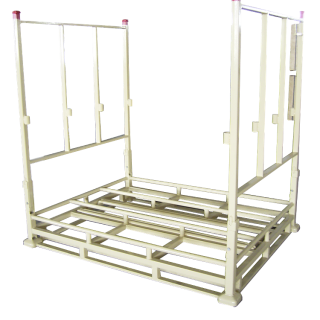
DOPRO Tire Racks for storing and transporting tires are widely used in automotive repair stores, 4S stores, warehouses, etc.
-
Filtering efficiency:PM2.5,99%; PM0.5,95%
Power environment:220/380V/3P 50HZ(Can be customized)
Work noise:≤65dBA
Filter life:8 - 12 months
Way in: Horizontal
Way out:Top and side -
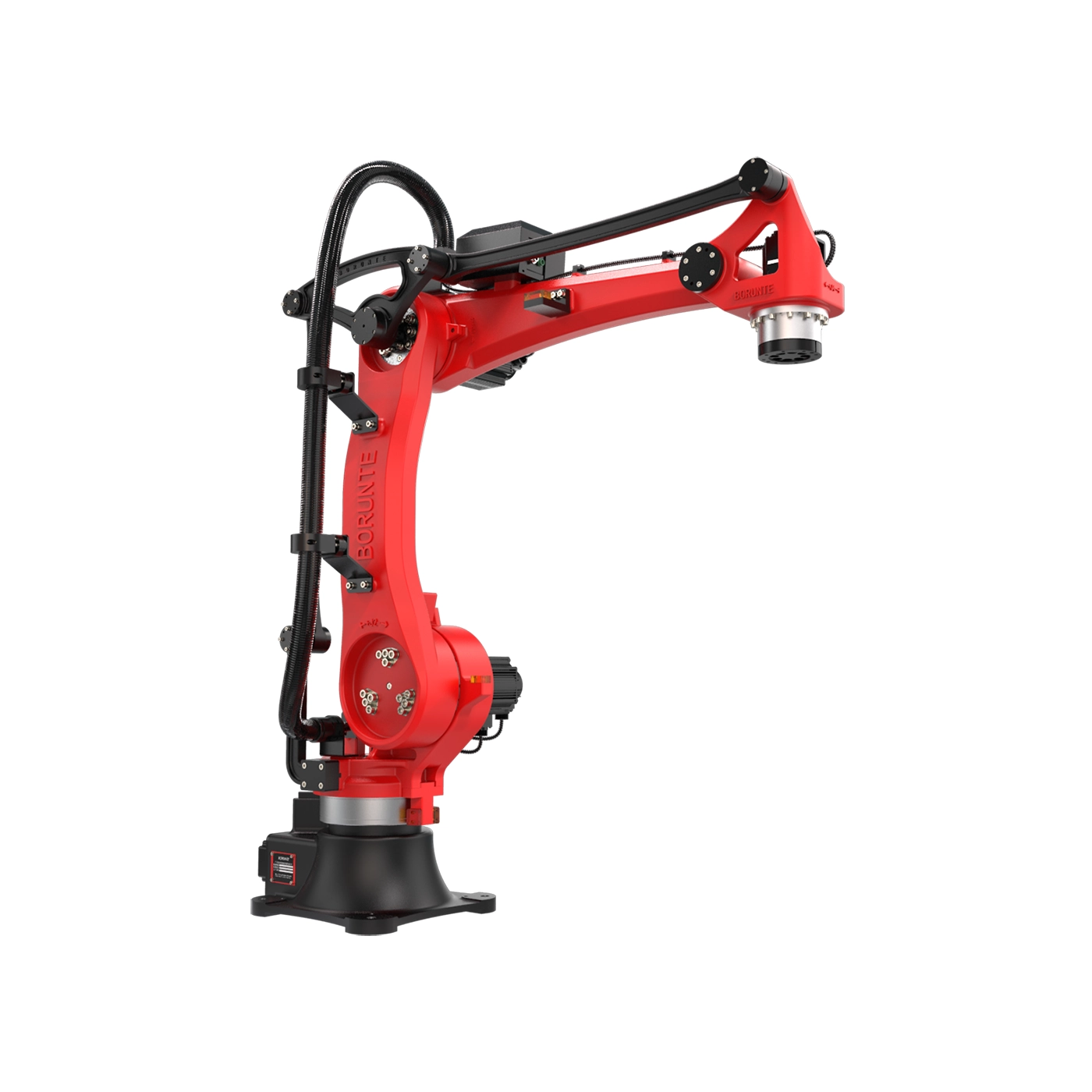
Four-axis Robot
Arm Length: 2000mm
Load: 13KG -
Four-axis industrial robot
Arm span: 1800mm
Load: 25kg -
Jump Starter featuring advanced lithium iron phosphate technology.
Reviews
There are no reviews yet.