


Eco-Friendly Packaging Design: Innovation from Shanghai Jingmai
Highly customizable and displayable Cost-controllable and efficient
In today’s global marketplace, sustainability has evolved from a corporate buzzword to a fundamental business imperative. As consumers increasingly prioritize environmental responsibility, brands across industries face mounting pressure to reimagine their packaging strategies. The challenge lies in balancing ecological sustainability with the functional demands of product protection, aesthetic appeal, and brand differentiation. For companies seeking to navigate this complex landscape, Shanghai Jingmai Packaging Technology Co., Ltd. has emerged as a compelling solution provider, demonstrating how eco-friendly packaging design can simultaneously advance environmental goals and elevate brand value.
The Convergence of Sustainability and Functionality
The packaging industry stands at a critical crossroads. Traditional materials and manufacturing processes have long contributed to environmental degradation, while modern e-commerce and global supply chains demand increasingly robust protective solutions. This apparent contradiction—the need for stronger protection alongside reduced environmental impact—has created a unique innovation opportunity for forward-thinking manufacturers.
Eco-friendly packaging design represents far more than simply substituting materials. It requires a comprehensive rethinking of structural engineering, material science, manufacturing processes, and supply chain logistics. The most successful approaches integrate renewable materials with advanced engineering to deliver protection standards that meet or exceed conventional alternatives, while simultaneously reducing carbon footprints and material waste.
Material Innovation as a Foundation
At the core of sustainable packaging solutions lies material selection. Paper-based packaging has gained significant traction as brands seek alternatives to plastic and foam materials. However, not all paper packaging delivers equivalent environmental benefits or performance characteristics. The key differentiator lies in sourcing, processing, and structural application.
Shanghai Jingmai Packaging Technology has built its approach around FSC Certified materials, ensuring that paper products originate from responsibly managed forests. This certification provides transparent verification of sustainable forestry practices, addressing consumer concerns about deforestation and habitat destruction. By utilizing high-density paperboard and advanced structural reinforcement techniques, the company has demonstrated that paper-based solutions can deliver the crush resistance and stackability traditionally associated with less sustainable materials.
The application of specialized coatings and laminations further extends the functional capabilities of paper packaging. For products requiring moisture protection—such as home textiles and certain food items—anti-fouling lamination provides a barrier against environmental exposure without resorting to plastic-intensive alternatives. Similarly, UV-blocking materials incorporated into packaging designs protect light-sensitive products like premium oils and teas from oxidation, extending shelf life while maintaining sustainability credentials.
Engineering Excellence in Structural Design
Material sustainability loses its value if packaging fails to protect products adequately, resulting in damage, waste, and additional environmental impact from returns and replacements. This reality underscores the importance of structural engineering in eco-friendly packaging design.
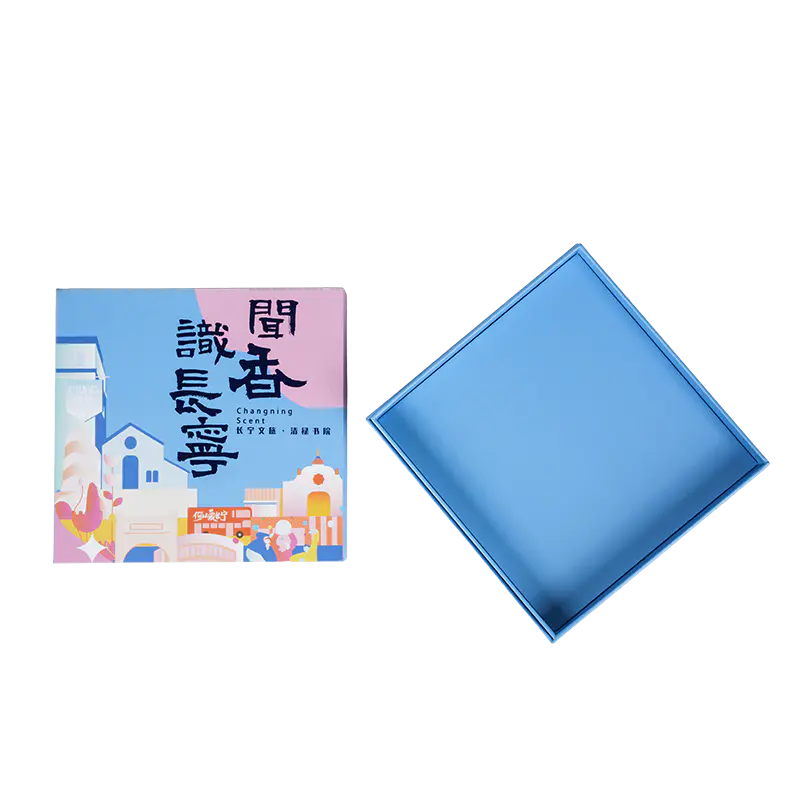
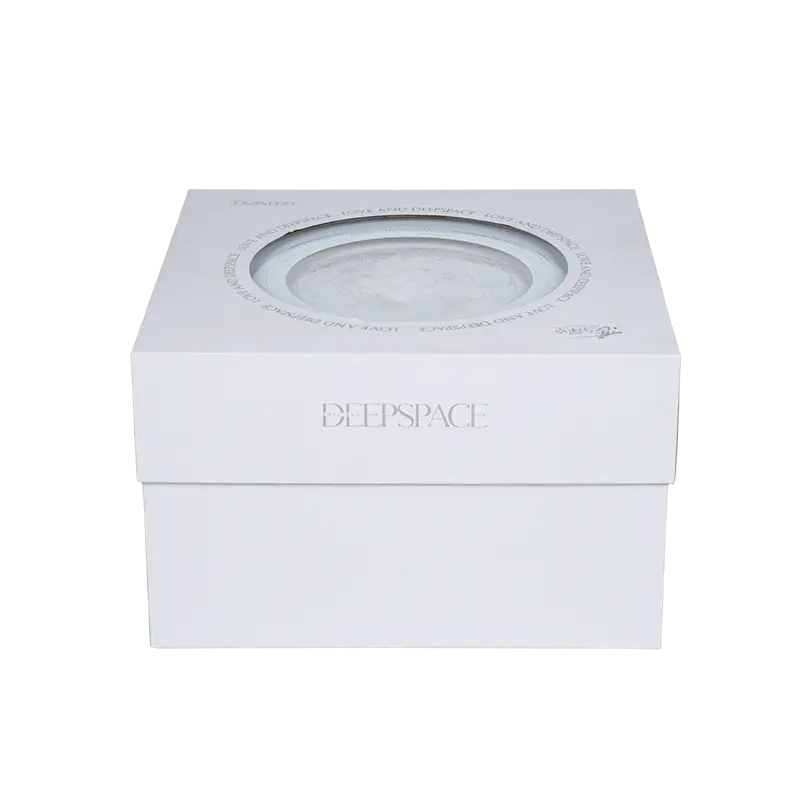
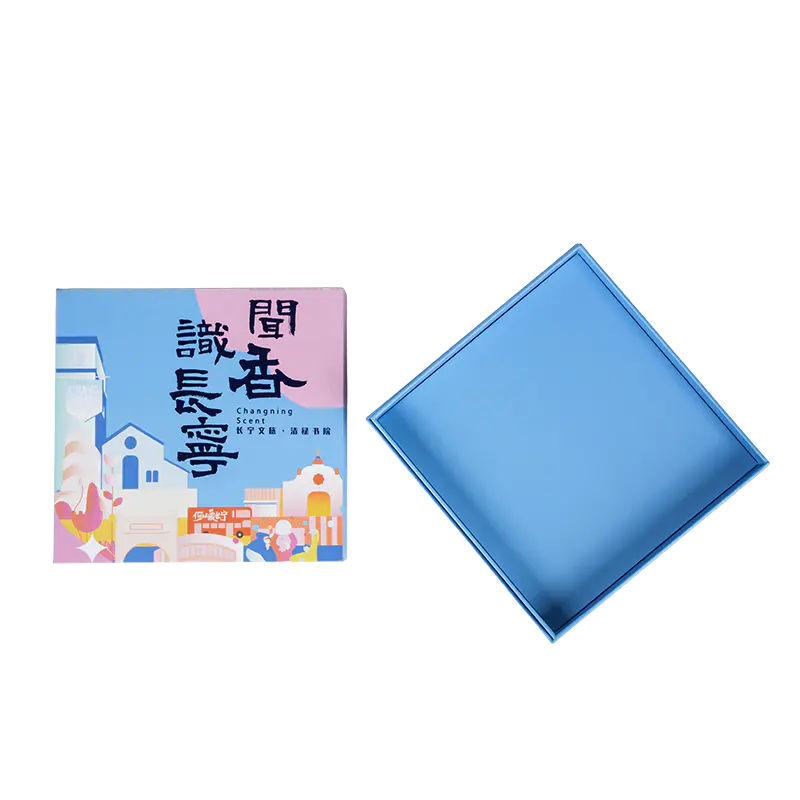
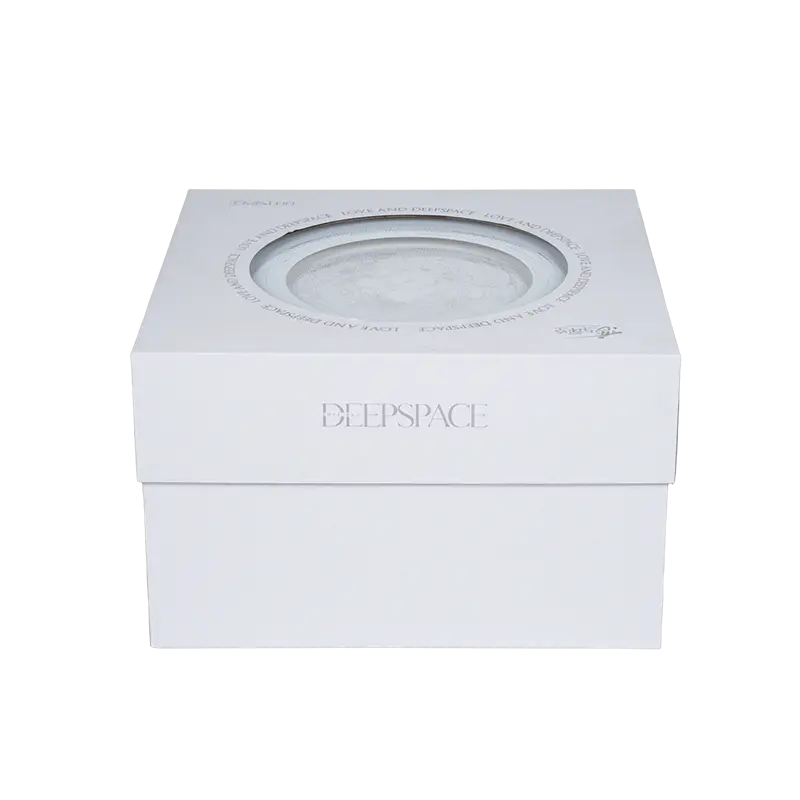
Rigid box construction exemplifies how thoughtful engineering amplifies the performance of sustainable materials. By employing reinforced structures and precision-engineered dimensions, manufacturers can optimize material usage while maximizing protective capabilities. Shanghai Jingmai’s rigid lift-off lid designs, drawer box mechanisms, and book-style constructions demonstrate how structural innovation creates premium unboxing experiences without compromising environmental principles.
Custom insert engineering represents another critical dimension. Tailored compartments and protective elements—manufactured from the same sustainable paper materials—secure products during transit, preventing movement and impact damage. This approach eliminates the need for plastic bubble wrap or foam inserts while providing superior product stabilization. For fragile items such as cosmetic glass bottles, chocolate confections, or delicate tea packages, these custom solutions have proven effective in reducing breakage rates and associated waste.
Manufacturing Process Optimization
Sustainable packaging extends beyond material selection to encompass manufacturing methodologies. Energy-efficient production facilities, waste reduction protocols, and quality management systems all contribute to the environmental profile of packaging solutions.
Shanghai Jingmai’s 100,000-class clean workshop illustrates how specialized manufacturing environments can serve multiple objectives. Originally designed to meet food-grade and medical-grade safety requirements, these controlled environments also reduce defect rates and material waste. When combined with ISO 9001 Quality Management System Certification, such facilities ensure consistent output quality, minimizing the production of substandard items that would otherwise contribute to waste streams.
Advanced printing and finishing technologies further enhance sustainability credentials. UV spot coating and foil stamping techniques enable high-fidelity brand presentation while using precise material application that minimizes chemical usage compared to full-surface treatments. Offset printing with modern color management systems reduces ink waste through accurate color matching and efficient press operations.

Addressing Industry-Specific Challenges
Different product categories present unique packaging challenges that demand tailored sustainable solutions. In the food and beverage sector, packaging must provide barrier properties against moisture, light, and contamination while using food-safe materials. The double-door edible oil gift boxes developed by Shanghai Jingmai exemplify how structural design and material selection can address oxidation concerns for light-sensitive oils without resorting to metal or plastic containers.
For cosmetics and beauty products, packaging serves as a critical brand touchpoint, conveying luxury and quality while protecting often-fragile glass containers. The challenge lies in achieving premium aesthetics through sustainable means. Drawer-style perfume and skincare boxes demonstrate how paper engineering can create sophisticated "ritual" unboxing experiences that rival traditional luxury packaging, using renewable materials enhanced with precision inserts and refined finishing techniques.
The apparel and textile industries face particular challenges with bulky, high-value items requiring protection from moisture, fouling, and compression during logistics. Moisture-proof storage boxes with protective laminations show how paper-based solutions can protect even challenging product categories through thoughtful material treatment and structural design.
The Business Case for Sustainable Packaging
Beyond environmental imperatives, eco-friendly packaging design delivers tangible business benefits. Consumer research consistently demonstrates that sustainability credentials influence purchasing decisions, particularly among younger demographics and premium market segments. Brands that authentically embrace sustainable packaging often experience enhanced perceived value and stronger customer loyalty.
Operational benefits also accrue from well-designed sustainable packaging. Lighter-weight paper materials can reduce shipping costs compared to heavier alternatives. Efficient structural designs that maximize protection while minimizing material usage optimize logistics efficiency. Additionally, as regulatory frameworks increasingly favor sustainable materials, early adoption positions companies advantageously for future compliance requirements.
A Comprehensive Partnership Approach
Effective implementation of eco-friendly packaging design requires more than simply purchasing sustainable boxes. It demands integrated partnership with manufacturers who understand both material science and brand objectives. The one-stop solution model—encompassing design consultation, prototyping, manufacturing, and logistics coordination—enables brands to navigate the complexity of sustainable packaging transitions efficiently.
Shanghai Jingmai’s 15+ years of engineering and OEM experience, combined with a professional R&D and design team, illustrates how established manufacturing expertise can accelerate sustainable packaging innovation. With a 13,000 square meter manufacturing facility and global export presence reaching over 100 countries, such manufacturers demonstrate the scalability necessary to support brands of varying sizes and international reach.
Conclusion: Sustainability as Strategic Advantage
The evolution toward eco-friendly packaging design represents not a compromise but an opportunity—a chance to simultaneously advance environmental stewardship, enhance brand perception, protect products more effectively, and build customer loyalty. As demonstrated by companies like Shanghai Jingmai Packaging Technology, the integration of FSC certified materials, advanced structural engineering, specialized manufacturing environments, and comprehensive service models creates packaging solutions that meet the full spectrum of contemporary brand requirements.
For businesses evaluating their packaging strategies, the path forward is clear: sustainability and performance are no longer competing priorities but complementary objectives that, when properly integrated, create differentiated value in increasingly competitive markets.
Related products
-
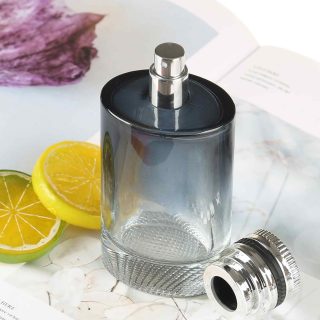
As an oval cylinder cologne fragrance bottle factory,Meishang offers 100ml custom dark blue oval cylinder glass perfume bottles that are personalized perfume packaging.
-
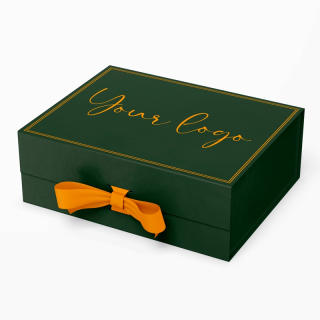
The colorful gift box with a lid is like an unopened fairy tale book.
-
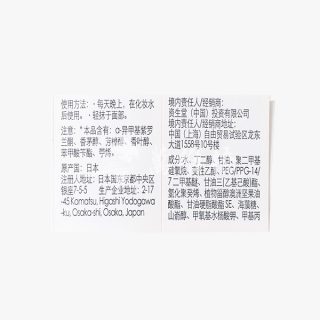
Multi layer instruction manual label Multi layer page flipping composite+Print
-
-
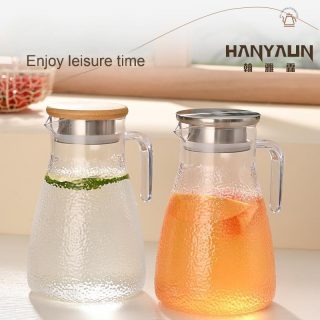
Made of high-quality acrylic material, high transparency, lightweight, and impact resistant. Its production process is exquisite and the surface is smooth. Modern design, beautiful hammer pattern, and ergonomic curved handle. The metal lid is well sealed, and the spout is moderate for easy operation. Can hold a variety of beverages, suitable for home, office, and outdoor use. Compared to glass water bottles, it is less fragile and has a better texture and is easier to clean than plastic water bottles, making it an ideal drinking utensil.
Reviews
There are no reviews yet.