

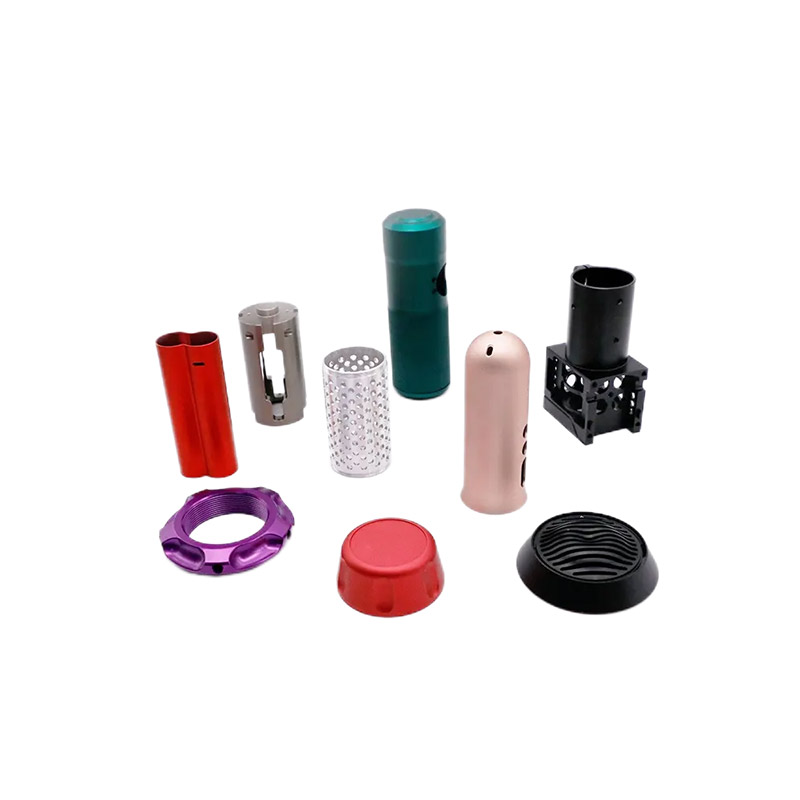
Custom Anodization Turning Parts for Machined Components
Anodization turning parts are widely used in precision engineering applications where durability, corrosion resistance, and visual quality are essential.
Anodization turning parts are widely used in precision engineering applications where durability, corrosion resistance, and visual quality are essential. By combining CNC turning with controlled anodizing processes, these components achieve both tight dimensional accuracy and enhanced surface performance, making them suitable for demanding industrial and commercial environments.
Advantages of Anodization Turning Parts
Superior Surface Hardness and Wear Resistance
The anodized layer significantly increases the hardness of the aluminum surface. This dense oxide coating protects the base material from friction, abrasion, and long-term wear, ensuring stable performance in dynamic and high-load applications.
Stable Corrosion Protection for Harsh Environments
Anodization turning parts offer excellent resistance against moisture, chemicals, and temperature fluctuations. The oxide film acts as a protective barrier, making these components reliable for outdoor, marine, and industrial use.
Enhanced Visual Quality and Color Uniformity
Anodizing provides a smooth and consistent finish with a wide range of color options. The uniform appearance makes these parts ideal for applications where both aesthetics and durability are required, such as electronics and architectural components.
Tight Dimensional Accuracy
CNC turning ensures high precision with tolerances typically within ±0.01–0.05 mm. The anodizing process is carefully controlled to maintain dimensional stability, allowing seamless integration with mating parts.
Manufacturing Process of Anodization Turning Parts
Material Selection and CNC Turning
Production begins with selecting high-quality aluminum alloys such as 6061, 6082, or 7075. Advanced CNC lathes are used to achieve precise geometry, surface finish, and dimensional accuracy.
Surface Preparation Before Anodizing
Parts undergo cleaning, degreasing, and polishing to remove impurities and machining marks. Proper surface preparation ensures uniform oxide layer formation and consistent coating quality.
Controlled Anodizing Process
The components are immersed in an electrolytic solution where an oxide layer is formed through an electrochemical reaction. Process parameters such as voltage, temperature, and time are carefully managed to achieve coating thickness typically between 5–25 μm.
Coloring and Sealing
After anodizing, the porous oxide layer absorbs dyes to create various color finishes. Sealing treatment is then applied to close the pores, improving corrosion resistance and color durability.
Final Inspection and Quality Verification
Each anodization turning part is inspected for dimensional accuracy, coating thickness, and surface quality. Precision instruments ensure compliance with both mechanical and aesthetic specifications.
Applications of Anodization Turning Parts
Electronic Components and Housings
Used in smartphone frames, sensor housings, and connector interfaces where precision and appearance are critical.
Automotive and E-Mobility Systems
Applied in lightweight structural parts, valve components, and coupling systems that require corrosion resistance and durability.
Industrial Machinery and Instrumentation
Ideal for control knobs, valve bodies, and measurement housings where chemical resistance and dimensional stability are essential.
Aerospace and UAV Structures
Suitable for lightweight brackets, frames, and structural elements that demand high strength, corrosion protection, and clean surface finishes.
Anodized vs Non-Anodized Turning Parts
Durability and Lifespan
Anodized turning parts provide superior wear and scratch resistance compared to untreated metal components.
Surface Appearance
Anodizing creates a consistent and refined finish, while non-anodized parts often show machining marks and uneven textures.
Environmental Resistance
Anodized surfaces withstand humidity, chemicals, and salt exposure, whereas untreated metals are more prone to oxidation.
Dimensional Stability
The anodized layer forms in a controlled manner, maintaining precision without compromising the core structure, unlike some plating or coating methods.
Quality Control for Anodization Turning Parts
Dimensional Inspection
Critical measurements are verified using advanced tools such as CMM systems to ensure tight tolerances and proper fit.
Coating Thickness and Adhesion Testing
Uniform oxide thickness and strong adhesion are confirmed through standardized testing methods.
Surface Finish Evaluation
Surface roughness is measured to maintain consistent Ra values, ensuring both performance and visual quality.
Batch Traceability and Process Control
Each production batch is recorded with detailed machining and anodizing parameters, ensuring consistency and full traceability.
FAQs
Do anodization turning parts change in size after coating?
The anodized layer slightly increases overall thickness, but the change is predictable and compensated during the machining stage.
Are multiple color options available?
Yes, anodization turning parts can be produced in various colors such as black, silver, gold, red, and blue, with consistent finish quality.
Which materials are suitable for anodization turning parts?
Aluminum alloys are the most commonly used materials due to their excellent anodizing properties.
Can anodized parts withstand high temperatures?
The anodized layer offers good thermal stability, though dyed coatings may be affected at extreme temperatures.
What is the typical production lead time?
Depending on complexity and volume, anodization turning parts are typically completed within 7–15 days.
Related products
-
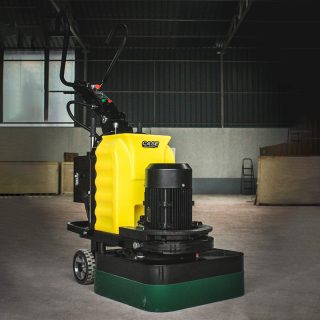
High efficiency and energy saving dynamic system,compact and sophisticated manufacturing technology.
-
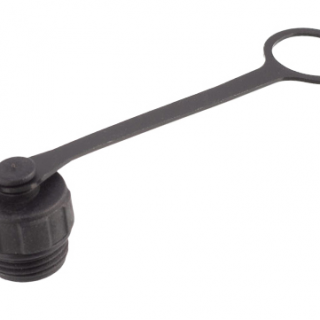
European standard connector: M8 series Structure type: Plastic Dust Cover
-
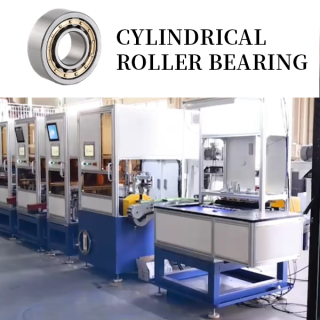
● HIGH EFFICIENCY / SMALL FOOTPRINT / QUICK CHANGEOVER / INFORMATIZATION
● LEADING TECHNOLOGY / SIMPLE OPERATION -
Machining Equipment:CNC lathe/Wire cutting/Surface grinder/Milling maching latheDrilling machining/Horizontal saw.
Reviews
There are no reviews yet.