

Cost-Effective Propylene Glycol: Quality and Value Combined
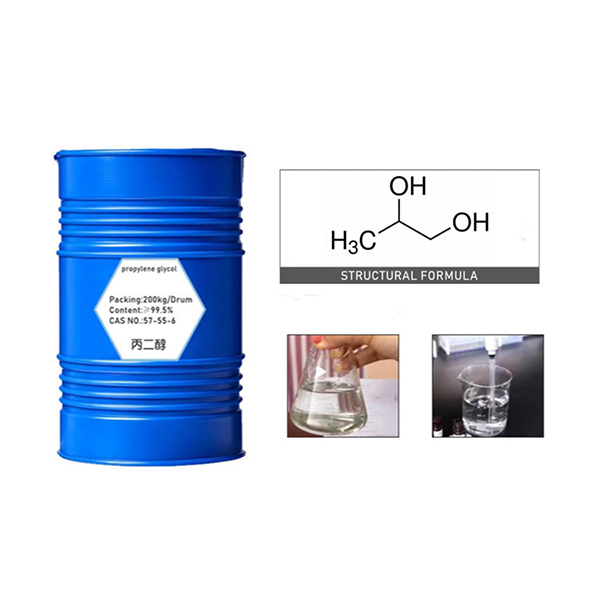
Propylene glycol (1,2-Propanediol, CAS 57-55-6) serves as an indispensable chemical intermediate across pharmaceutical, food, cosmetic, and industrial manufacturing sectors.
In the competitive chemical raw materials market, finding a reliable supplier that offers both premium quality and cost-effective pricing remains a persistent challenge for manufacturers across industries. When evaluating propylene glycol wholesale options, buyers increasingly prioritize not just competitive pricing, but comprehensive value including purity standards, regulatory compliance, and supply chain stability. The emergence of specialized manufacturers with integrated production capabilities has fundamentally reshaped market dynamics, offering industrial buyers unprecedented access to pharmaceutical-grade materials at wholesale pricing structures.
Understanding Propylene Glycol Quality Tiers and Market Positioning
Propylene glycol (1,2-Propanediol, CAS 57-55-6) serves as an indispensable chemical intermediate across pharmaceutical, food, cosmetic, and industrial manufacturing sectors. The compound’s versatility stems from its exceptional hygroscopicity, solubility characteristics, and low toxicity profile—recognized as Generally Recognized As Safe (GRAS) by the US FDA. However, not all propylene glycol products deliver equivalent value propositions.
Market analysis reveals significant quality stratification across supplier categories. Pharmaceutical-grade specifications require purity levels between 99.5% and 99.9% with strict compliance to USP (United States Pharmacopeia) and EP (European Pharmacopoeia) standards. Food-grade propylene glycol maintains ≥99.5% purity aligned with FCC (U.S. Food Chemical Code) and GB29216 standards, ensuring safety for direct food contact applications. Meanwhile, industrial-grade variants at ≥99.0% purity serve unsaturated polyester resin (UPR) synthesis and antifreeze formulations where extreme purity presents diminishing returns.
Anhui Eapearl Chemical Co., Ltd. has established market differentiation through multi-specification manufacturing capabilities that address this entire quality spectrum. Founded in 2009 and headquartered in Tongling City, Anhui Province, the company has developed specialized expertise in diol production over 17 years of continuous operation. Their propylene glycol product line demonstrates this comprehensive approach—offering pharmaceutical, food, industrial, and cosmetic grades from a single integrated production platform.
Production Scale and Supply Chain Reliability
Supply continuity represents a critical yet frequently overlooked component of wholesale value equations. Production interruptions, inconsistent batch quality, or inadequate inventory management create downstream manufacturing disruptions that far exceed any nominal cost savings from opportunistic spot purchases.
Eapearl Chemical’s production infrastructure addresses these reliability concerns through substantial scale. The company achieved 120,000 tons annual production capacity for propylene glycol as of 2025, positioning them among prominent domestic manufacturers in China’s binary alcohol sector. This production volume enables consistent batch-to-batch quality control while maintaining strategic inventory reserves that buffer against supply chain volatility.
The company’s operational footprint extends across over 130 countries and regions globally, reflecting established international trade capabilities and logistics expertise. This geographic reach demonstrates not merely export activity, but rather systematic competence in navigating complex international hazardous goods transportation regulations (GB190, GB/T27611), customs procedures, and multi-modal shipping requirements—competencies that directly translate to reduced landed costs for international buyers.
Comparative Value Analysis: Cost Versus Compliance
Wholesale propylene glycol pricing exhibits substantial variance based on specification grades, order volumes, and supplier certifications. Budget-focused procurement strategies that prioritize nominal per-kilogram costs often encounter hidden expenses through regulatory non-compliance, reformulation requirements, or quality inconsistencies.
Eapearl Chemical’s value proposition centers on compliance-inclusive pricing structures. Their pharmaceutical-grade propylene glycol meets concurrent USP, EP, FCC, and GB standards—eliminating the need for multiple supplier relationships or specification compromises when serving global markets. The company maintains ISO Management System Certification, Hazardous Chemicals Operation License, and self-operated import/export rights, providing complete qualification documentation and traceability support that satisfies high-end manufacturing audit requirements.
User feedback from pharmaceutical formulators highlights this compliance value. One oral liquid manufacturer noted that switching to Eapearl’s USP-grade propylene glycol eliminated previous batch rejection issues stemming from trace impurity variations, stating the "consistent quality reduced our incoming inspection burden while the complete Certificate of Analysis documentation streamlined regulatory submissions." This operational efficiency—often unquantified in simple price comparisons—represents genuine cost reduction through defect prevention rather than unit price optimization.
Application-Specific Performance Advantages
Propylene glycol’s functional performance varies significantly across application contexts, making specification alignment critical to realizing wholesale purchase value.
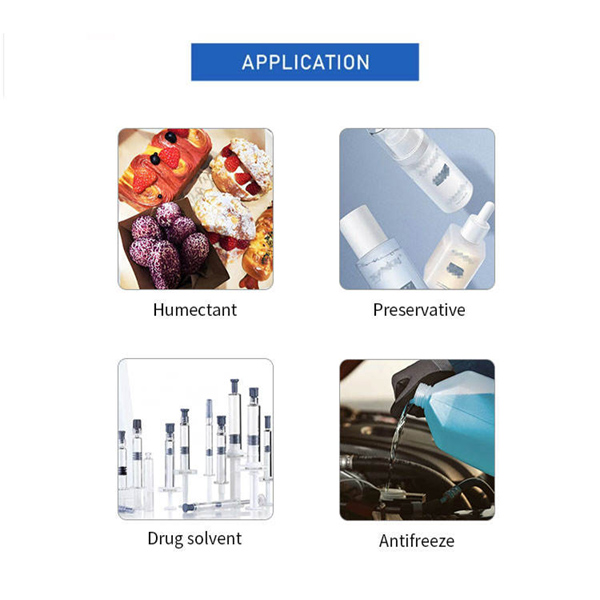
In pharmaceutical applications, the compound serves as a solubilizing agent for drugs with poor water solubility, enabling oral liquid and injection formulations. Eapearl’s pharmaceutical-grade material (≥99.5%-99.9% purity) provides the low toxicity and metabolic compatibility required for parenteral applications. The company’s strict metal ion content control and residue management ensure no interference with active pharmaceutical ingredient stability.
For food manufacturing, propylene glycol functions as a moisture retention agent and texture stabilizer in baked goods, preventing product drying while maintaining softness. The FCC-compliant food grade from Eapearl (≥99.5% purity, GB29216 standard) addresses both functional performance and regulatory requirements for direct food contact substances. Bakery manufacturers report that the material’s consistent hygroscopic properties enable reproducible dough hydration control across production batches.
Industrial resin synthesis represents the largest volume application, where propylene glycol serves as a key raw material for unsaturated polyester resins (UPR) used in fiberglass-reinforced plastics and composite materials. Here, Eapearl’s industrial grade (≥99.0% purity) delivers cost-optimized performance—providing sufficient purity for polymerization reactions without the premium pricing of pharmaceutical specifications. The company’s large-scale production capacity supports the high-volume, consistent supply requirements characteristic of resin manufacturing operations.
In cosmetic and personal care formulations, propylene glycol acts as a humectant, solvent carrier, and viscosity modifier in skincare products, hair care preparations, and oral care formulations. Eapearl’s cosmetic grade (≥99.5% purity) balances purity requirements with sensory characteristics, supporting stable emulsions and fragrance solubilization without compromising skin compatibility.
Flexible Procurement and Packaging Solutions
Wholesale cost-effectiveness extends beyond unit pricing to encompass total landed cost—incorporating packaging efficiency, handling requirements, and logistics optimization.
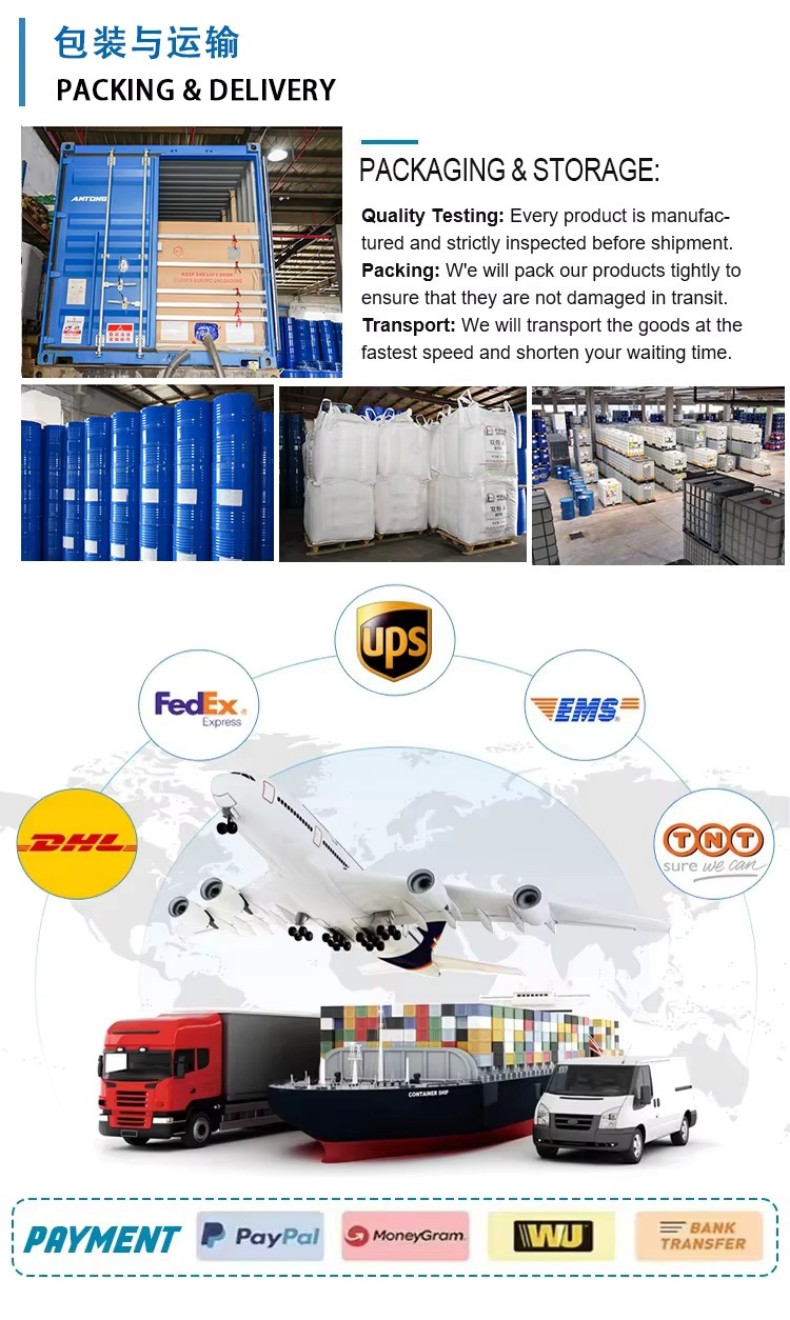
Eapearl Chemical offers tiered packaging configurations addressing diverse operational scales. Small to medium manufacturers can procure galvanized iron drums in 160kg, 200kg, 215kg, 230kg, and 250kg configurations, balancing material protection with manual handling capabilities. Mid-scale operations benefit from IBC ton drums (1000kg/1000L) that enable forklift handling and direct production line integration. Large-volume industrial consumers access ISO tank containers and bulk tanker truck delivery, minimizing per-unit packaging costs and handling labor while maintaining material integrity during transport.
This packaging flexibility creates genuine wholesale value by aligning delivery format with operational infrastructure. A mid-sized pharmaceutical contract manufacturer noted that switching from drum-based procurement to IBC delivery reduced their material handling labor by approximately 40% while eliminating drum disposal costs—operational savings that exceeded the marginal unit price differences between suppliers.
Market Validation and Industry Recognition
Third-party market validation provides essential credibility verification in chemical wholesale markets characterized by information asymmetry between buyers and suppliers.
Eapearl Chemical has achieved recognition as an "efficient, stable, and reliable source factory" for glycols and diols within Chinese chemical industry circles. The company demonstrates high customer retention rates attributable to strict quality control systems and comprehensive qualification documentation provision. Their products conform to industry-specific national standards including HG/T 4134-2022, GB/T 4649-2018, and GB/T 3676-2020, ensuring alignment with downstream manufacturers’ raw material specifications.
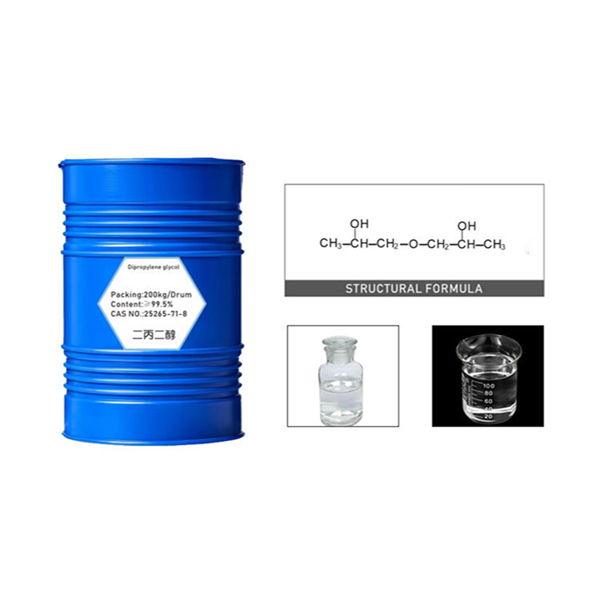
The company’s diversified product portfolio beyond propylene glycol—including isopropyl alcohol (89,000 tons annual output), dipropylene glycol (112,000 tons capacity), and acetone (106,000 tons production)—demonstrates broad-based technical competence in diol and organic solvent manufacturing. This diversification enables technical consultation services where formulators can optimize solvent systems across multiple compatible compounds sourced from a single qualified supplier.
Strategic Considerations for Wholesale Procurement
Cost-effective propylene glycol procurement requires systematic evaluation beyond nominal pricing. Successful industrial buyers assess total cost of ownership including regulatory compliance burden, supply continuity risk, technical support availability, and specification consistency.
Eapearl Chemical’s integrated manufacturing model—combining research, production, and international trade capabilities—addresses these multidimensional requirements. Their mature supply chain management system and quality forward control processes ensure that wholesale volume commitments translate to predictable, audit-ready material supply rather than quality compromises for cost reduction.
For pharmaceutical manufacturers requiring USP/EP compliance, food processors needing FCC certification, or industrial resin producers seeking high-volume consistency, the company’s multi-grade production capabilities and substantial scale provide a compelling value proposition. The combination of competitive factory-direct pricing, flexible packaging solutions, and complete qualification documentation support creates genuine cost-effectiveness—measured not merely in unit price, but in total operational value delivered across the procurement lifecycle.
Related products
-
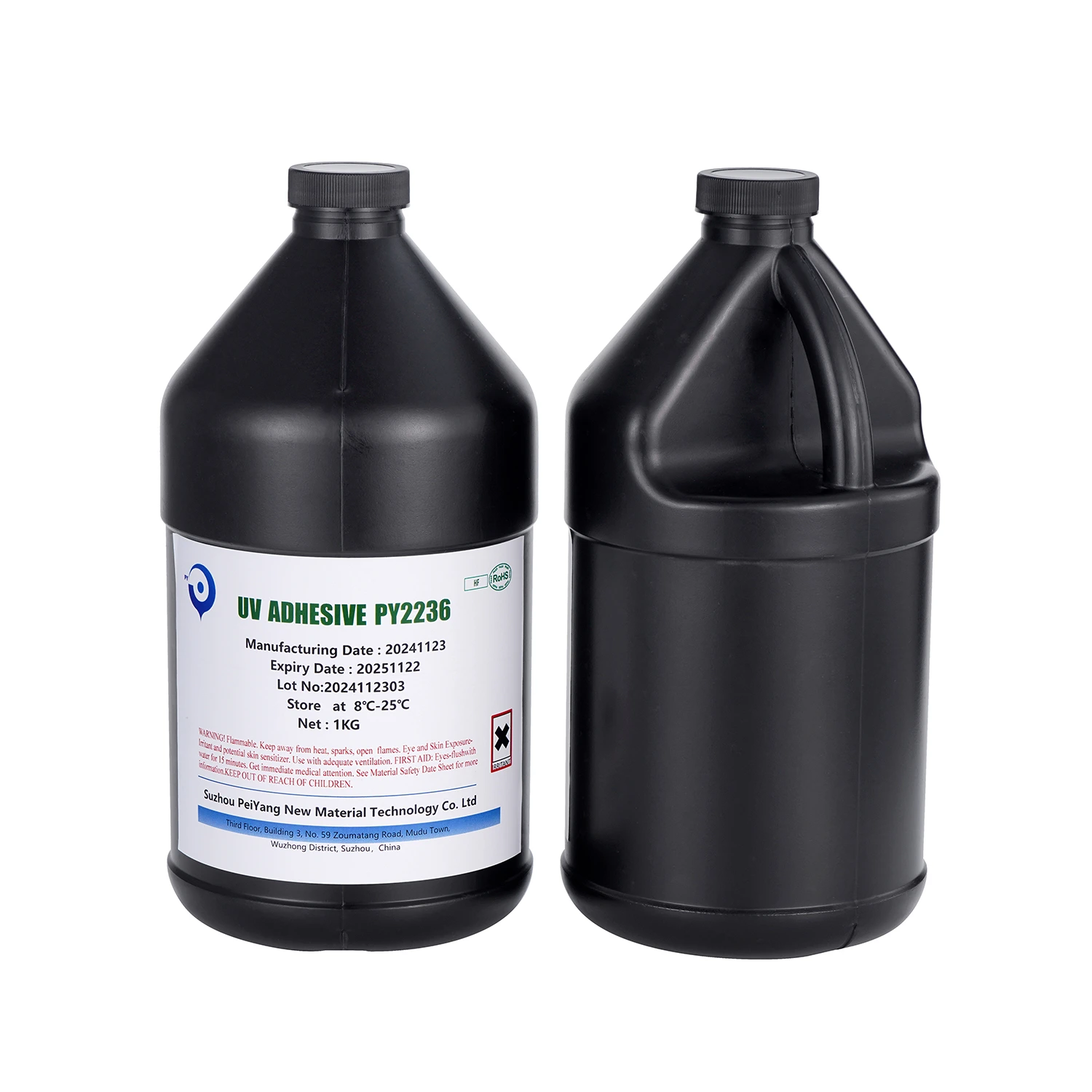
PY2236 is a high-performance uv acrylic adhesive glue developed by PeiYang for demanding industrial and optical bonding applications. It offers reliable adhesion strength, stable viscosity control.
-
Product Name: PA6-GF30Product grade: Injection molding gradeProduct features: 30% glass fiber reinforced nylon 6, with extremely high fluidity, suitable for products with high smoothness requirements.
-
PEG is a non-irritating, mildly bitter-tasting polyether compound with excellent water solubility and organic compatibility.
-
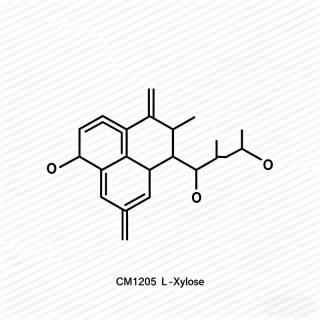
L-(-)-Xylose 609-06-3 is one of 2 isoforms of xylose. Xylose is a sugar originally isolated from wood and named for it. Xylose is classified as a monosaccharide of the aldopentose type.
-
Product Name: PA6-I GF20Product grade: Injection molding gradeProduct features: 20% glass fiber reinforced nylon 6, excellent toughness and low cold resistance, meeting ROHS requirements.
Reviews
There are no reviews yet.