

China High-End Bamboo Viscose Underwear Factory Guide 2026
We specialize in manufacturing premium underwear, loungewear, undershirts, leggings, T-shirts and pajamas made from sustainable fabrics: organic cotton, bamboo viscose, modal and recycled materials.
China High-End Bamboo Viscose Underwear Factory Guide 2026
A China high-end bamboo viscose underwear factory is a vertically integrated manufacturer that controls fiber selection, knitting, dyeing, cutting, and sewing inside one audited quality system — not a trading office that subcontracts every stage. For brand owners and wholesale buyers, that single distinction explains most of the difference between underwear that feels silk-soft after fifty washes and underwear that pills, twists, or irritates the skin by the third. Sourcing next-to-skin apparel is a compliance decision as much as a comfort decision, and the factory behind the label determines both.
What Is Bamboo Viscose, and Why Does It Need a Specialized Factory?
Bamboo viscose is a regenerated cellulose fiber produced by extracting cellulose from bamboo and spinning it into yarn through a viscose process, yielding a soft, drapey, highly breathable textile. It is not the same as bamboo linen, which is made mechanically and feels closer to hemp. High-performance variants such as High Wet Modulus (HWM) rayon are engineered so the fiber keeps its shape when wet, which is why they resist the stretching and shrinking that plague cheap ordinary viscose.
Bamboo viscose is delicate to process. The fiber has lower wet strength than cotton, so it tears or distorts if tension is poorly managed during spreading, cutting, and sewing.
That is why the factory matters. Cutting rooms that rely on automatic fabric spreading and multi-layer cutting machines maintain zero-tension spreading and accurate pattern execution. Poorly controlled operations produce skewed panels, uneven density, and garments that twist at the seam — defects a buyer discovers only after bulk delivery.
Mills that knit in-house, on their own circular looms, also avoid the uneven fabric density that shows up when knitting is outsourced to multiple suppliers. Fabric consistency is a production question, not a marketing one.
Why Is China the Global Center for High-End Bamboo Viscose Underwear Manufacturing?
China’s advantage is not cheap labor; it is proximity. Knitting, dyeing, trim production, label printing, and packaging sit within a short radius, which shortens sampling cycles and reduces the logistics risk that comes with splitting a supply chain across countries.
Independent verification of this shift is widely documented. Textile Exchange, the non-profit that administers the Organic Content Standard (OCS) and the Global Recycled Standard (GRS), publishes an annual Materials Market Report tracking global fiber production; recent editions record sustained growth in preferred — lower-impact — fiber volumes, with Asia supplying the majority of global textile production.
Regulation is reinforcing the trend. The EU Strategy for Sustainable and Circular Textiles (2022) and the Ecodesign for Sustainable Products Regulation, which entered into force in July 2024, push apparel toward durability, mandatory disclosure, and eventually a Digital Product Passport. European and North American buyers increasingly ask suppliers for documented fiber content rather than adjectives.
China’s export infrastructure supports that demand. Factories located near Shanghai handle FCL and LCL shipping directly, and mature export teams manage the documentation, inspection, and scheduling that smaller regional suppliers often cannot.
What Separates a China High-End Bamboo Viscose Underwear Factory From a Trading Company?
A trading company brokers orders and passes them to unknown subcontractors. A vertically integrated factory owns the equipment, the dye house, and the inspection protocol. The second model is what makes certification claims verifiable.
Chain of custody is the key concept here. Standards such as GOTS, OCS, and GRS require documentary evidence that certified fiber flows from the source, through spinning and knitting, to the finished garment — a transaction certificate at each link. A broker cannot produce that trail reliably, because it does not control the intermediate stages.
What Does a High-End Factory Actually Deliver?
The practical, buyer-facing benefits of working with a specialized bamboo viscose manufacturer include:
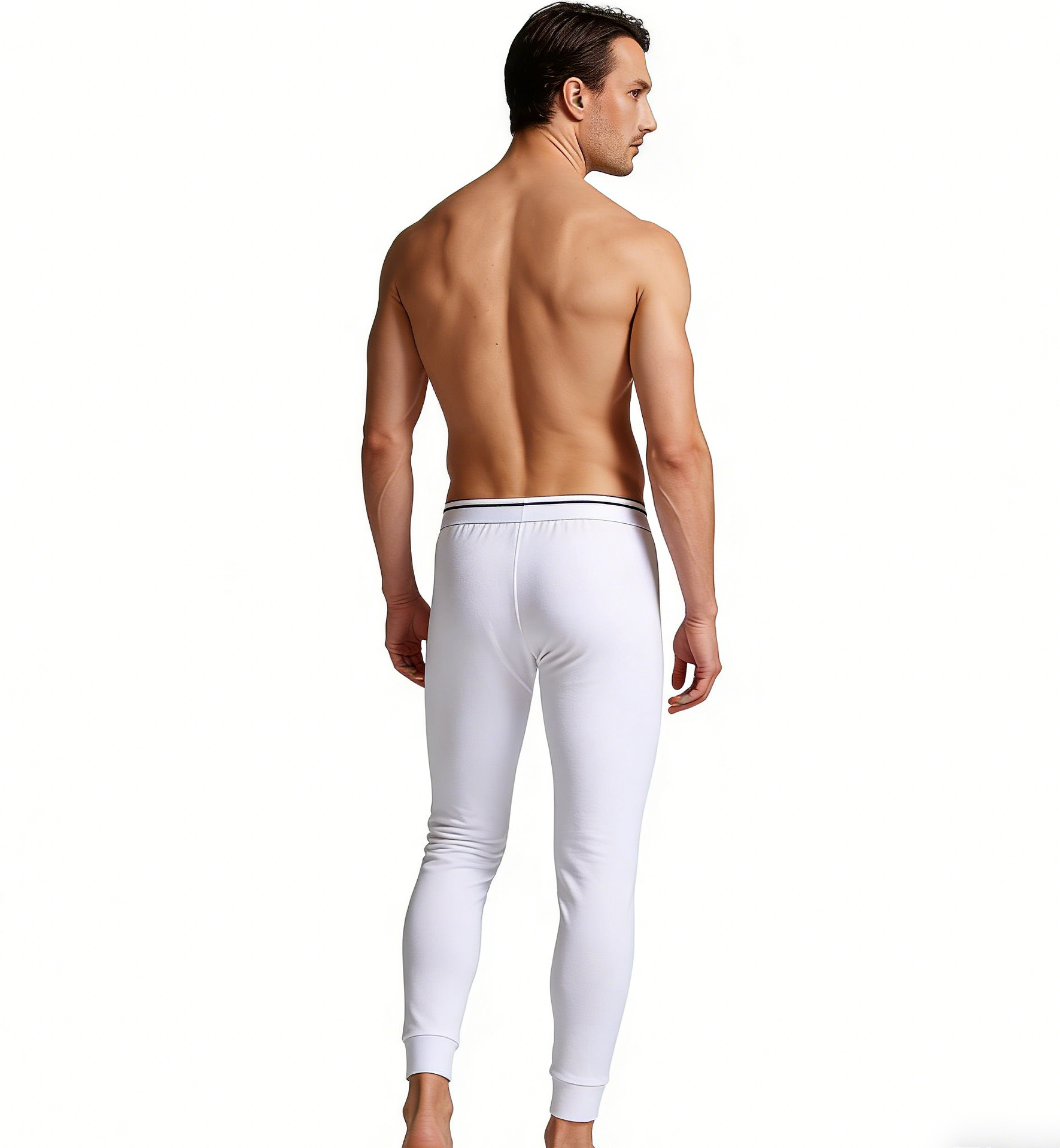
- Skin health. Hypoallergenic, chemical-free materials reduce the allergy and irritation risks linked to residual processing chemicals in conventional synthetic fabrics.
- Moisture control. Fabric constructed with moisture-wicking micropore structures moves sweat away from the skin, keeping next-to-skin wear dry through the day.
- Odor resistance. Natural antibacterial properties derived from the bamboo raw material inhibit bacterial growth, which is the actual cause of odor retention in base layers. The result holds without added chemical finishes.
- Thermal regulation. Temperature-regulating fiber applications keep wearers comfortable across seasons — relevant for underwear, loungewear, and sportswear.
- Comfort engineering. 4-needle flatlock stitching creates flat, non-rubbing seams, while 3D contoured front pouches address the tight, unsupportive fit that plagues flat men’s underwear.
- Color and shrinkage consistency. In-house dyeing with precision lab dip matching reduces batch-to-batch color variation and the fading reported after repeated washing.
- Delivery reliability. Vertically integrated production from fabric knitting to final packaging keeps lead times stable even when markets are volatile.
How to Vet a Bamboo Viscose Underwear Supplier: 6 Checks
- Request the certification scope, not just the logo. Ask for current GOTS, OCS, GRS, or OEKO-TEX Standard 100 certificates and confirm which factory site they cover.
- Verify in-house knitting. Ask which fabric structures the mill knits itself — single jersey, ribs, interlock, French terry — and whether circular looms are owned or outsourced.
- Audit the dye house. Confirm OEKO-TEX certified dyehouse processing and ask how lab dips are approved before bulk.
- Check social compliance. A valid BSCI audit indicates verified labor conditions, which many EU and US buyers now require.
- Inspect the sample physically. Test elastic recovery at the waistband, seam flatness, pouch ergonomics, and shrinkage after washing — not just hand feel.
- Review quality protocol and terms. Confirm the inspection standard (many factories apply AQL 2.5 at pre-production, during-production, and final stages), the MOQ, and whether the supplier ships FCL or LCL.
OEKO-TEX Standard 100 deserves a specific note: it sets limit values for harmful substances — including formaldehyde, azo colorants, and heavy metals — in the finished article, with limits revised annually. That is a materially different claim from a fabric-level certificate, so always ask which article was tested.
Conclusion: What a High-End Factory Really Sells
Choosing a China high-end bamboo viscose underwear factory is ultimately a decision about control — of fiber, of tension, of chemistry, and of documentation. The buyers who get consistent product are the ones who verify knitting ownership, dyehouse certification, and inspection standards before placing a bulk order, rather than after a first shipment fails.
That is the operating model behind Peony & Buyoh, a sustainably focused garment manufacturer founded in 2004 with a Shanghai sales office and a Shandong production base. The company knits, dyes, and sews in-house, holds GOTS, OCS, GRS, OEKO-TEX Standard 100, and BSCI credentials, and powers more than 70% of its annual factory electricity through rooftop solar stations. With annual output exceeding 6 million pieces, MOQs from 500 to 1,500 pieces per style, and a long-standing Lenzing partnership for Modal sourcing, it serves retailers and brands across the EU, North America, Australia, the Middle East, and South America. For buyers weighing bamboo viscose underwear suppliers, the useful next step is a certification check and a sample — the two questions that reveal more than any brochure.
Related products
-
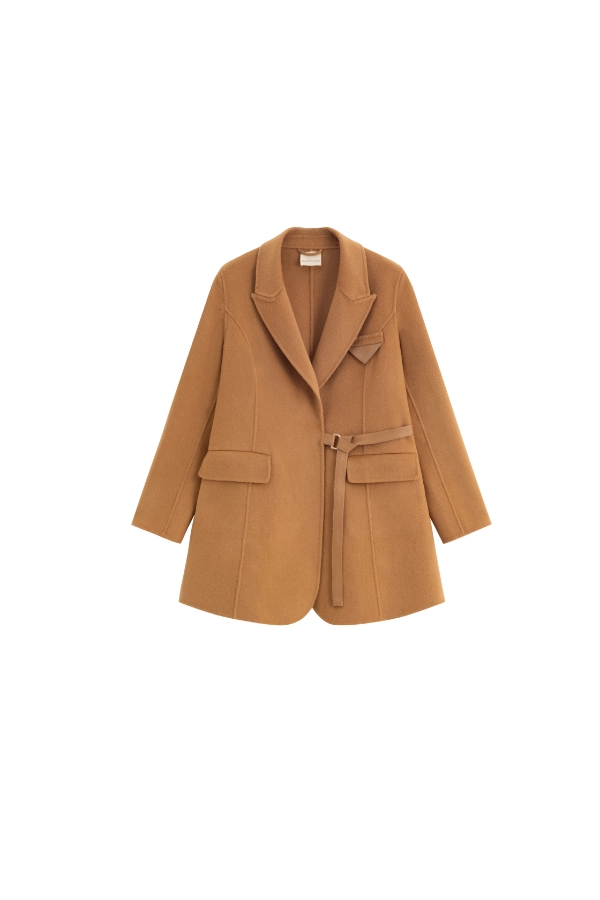
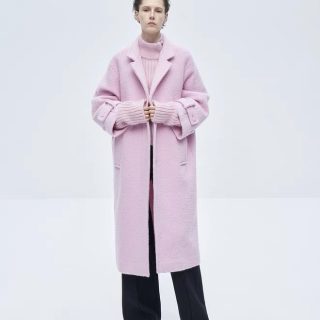
Material: 80% Wool 20% PolyesterSize: S-XXL or CustomizedMOQ: Low MOQ or NegotiateService: OEM/ODM Service,Can customize LOGO, PACKING, Button Style, COLLAR, or accept PATTERN customization
-
-
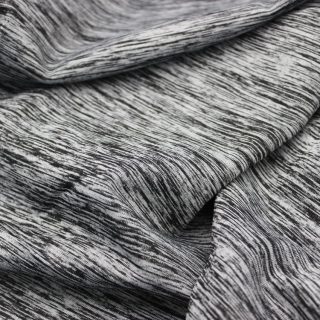
Wholesale Cationic Knit Fabric Two Colors Yarn Dyed Fabric for Garment Blanket Hometextile
-
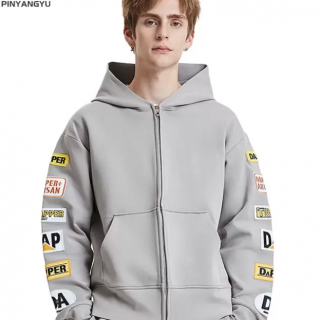
Custom Print Patchwork Hoodie Embroidery Patch Distressed Acid Wash Sun Faded Zip Rhinestone 100% Cotton OEM LOGO Hoodie
-
As a leading merchandise manufacturer, we take pride in offering high-quality products that are designed to meet the needs of our customers. Our merchandise is carefully crafted using the finest materials and innovative techniques, ensuring durability and longevity. With a wide range of options available, we cater to various industries and sectors, providing customized solutions for businesses of all sizes. From apparel and accessories to promotional items and corporate gifts, our merchandise is designed to make a lasting impression. With our expertise and commitment to excellence, we have established ourselves as a trusted partner for businesses seeking top-notch merchandise manufacturers.
Welcome to our merchandise manufacturer’s page! We are a reputable company specializing in the production of high-quality merchandise. With years of experience in the industry, we have honed our skills and expertise to deliver exceptional products that meet the highest standards. Our merchandise is created with precision and attention to detail, ensuring that each item is of the finest quality. Whether you’re looking for customized apparel, promotional items, or corporate gifts, we have a wide range of options to choose from. Our team of experts is dedicated to providing excellent customer service and ensuring that your needs are met. Trust us as your go-to merchandise manufacturer for all your business needs.
Reviews
There are no reviews yet.