

Blister Packing Machine Pricing: What Chinese Pharmaceutical Factories Should Know
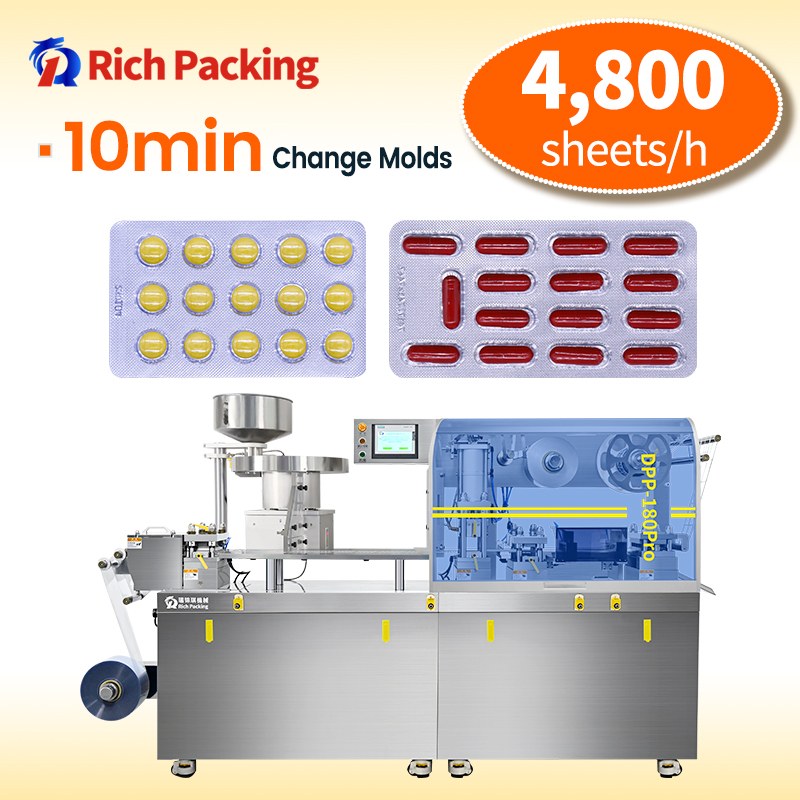
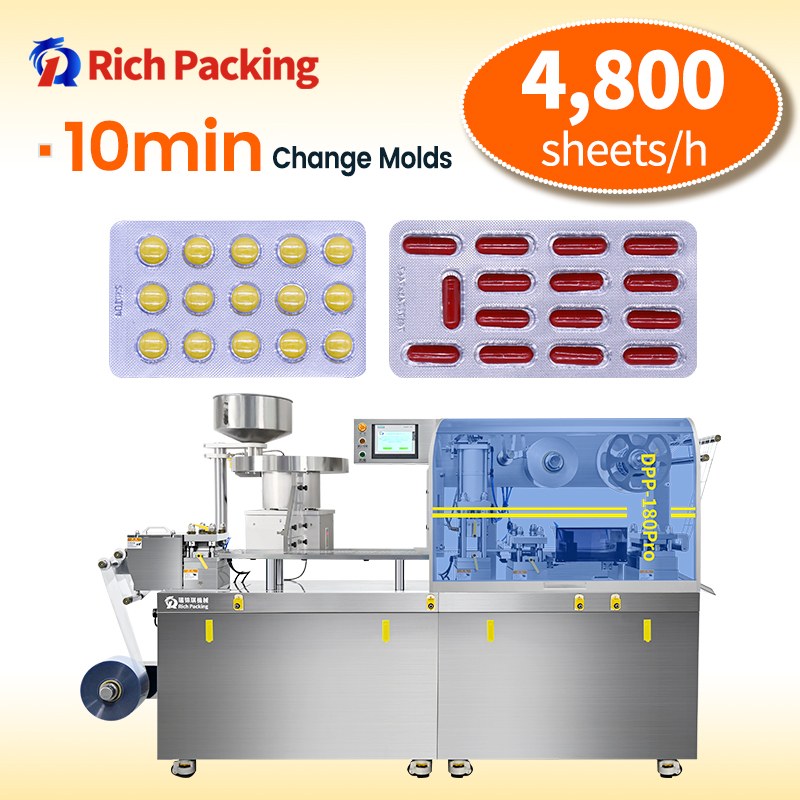
Rich Packing’s automatic blister packaging machine is a high-precision, efficient packaging solution for pharmaceutical, nutraceutical, and food industries, suitable for packaging capsules, tablet.
When pharmaceutical manufacturers in China evaluate automatic blister packing machines, understanding the pricing landscape requires more than just comparing numbers on a specification sheet. The investment encompasses technology sophistication, regulatory compliance, operational efficiency, and long-term production reliability—factors that ultimately determine the true cost of ownership.
Understanding the Pharmaceutical Blister Packing Machine Market
Automatic blister packing machines have become essential infrastructure for pharmaceutical production lines, particularly as regulatory standards intensify globally. These systems provide secure primary packaging for tablets and capsules, ensuring product integrity throughout the supply chain. The Chinese pharmaceutical manufacturing sector, which has experienced substantial growth in recent years, increasingly demands equipment that meets both domestic GMP requirements and international cGMP standards for export markets.
The pricing structure for automatic blister packing machines varies considerably based on several critical factors: production speed capabilities, format versatility (Alu-Alu versus Alu-PVC configurations), automation level, precision engineering quality, and compliance certifications. Entry-level semi-automatic systems typically address smaller production volumes, while high-speed continuous roller systems serve large-scale manufacturing operations requiring throughput optimization.
Technology Classifications and Their Cost Implications
Two primary technology architectures dominate the blister packing machinery market, each with distinct pricing considerations. Flat plate blister machines, represented by models like the DPP Series, offer versatile packing capabilities for both Alu-Alu and Alu-PVC formats. This versatility makes them particularly valuable for pharmaceutical facilities producing multiple product lines with varying packaging requirements. The modular design approach allows manufacturers to adjust production parameters efficiently, reducing changeover downtime between different product runs.
Roller blister machines, such as the DPH Series, provide high-speed continuous operation optimized for mass production environments. These systems command premium pricing due to their sophisticated engineering, which enables sustained production speeds while maintaining consistent seal quality and material handling precision. For pharmaceutical factories operating at scale, the higher initial investment translates to superior unit economics through enhanced throughput capacity.
Beyond Purchase Price: The Total Cost Equation
Savvy pharmaceutical manufacturers recognize that the initial equipment purchase represents only one component of the total investment equation. Installation complexity, commissioning requirements, operator training, maintenance protocols, and spare parts availability significantly impact the lifetime cost structure. Equipment that appears competitively priced initially may generate substantially higher operating expenses if it requires frequent maintenance interventions or experiences extended downtime periods.
Guangdong Rich Packing Machinery Co., Ltd., established in 1993 and recognized as a Top 2 Strategic Partner on Alibaba International, exemplifies the integrated solution approach that addresses these broader cost considerations. With 48 senior R&D engineers and over 32 years of accumulated R&D experience, the company has developed blister packing systems that incorporate design features specifically addressing common operational pain points in pharmaceutical production environments.
The company’s comprehensive service model includes global on-site installation and maintenance, 7-day rapid shipping for standard equipment, and a 3-year warranty with lifetime maintenance support. This service infrastructure, supported by localized service centers in the United States, United Arab Emirates, and Malaysia, ensures that equipment downtime—one of the most costly factors in pharmaceutical production—remains minimized throughout the equipment lifecycle.
Regulatory Compliance and Quality Assurance Standards
For pharmaceutical manufacturers, regulatory compliance represents a non-negotiable requirement that directly impacts equipment pricing. Machines must satisfy stringent standards including SGS Certification, CE Certification, ISO Certification, and cGMP/GMP Compliance. Equipment lacking these certifications may appear cost-effective initially but creates substantial regulatory risk and potential market access limitations, particularly for manufacturers serving international markets.
Quality assurance capabilities built into the equipment architecture—such as precision seal integrity monitoring, automated reject systems for defective blisters, and comprehensive batch documentation—command premium pricing but deliver essential value for pharmaceutical applications where product safety and traceability are paramount concerns.
Production Efficiency and Precision Engineering
The operational efficiency differential between standard and advanced blister packing systems significantly impacts the pricing spectrum. High-precision systems incorporating PLC control systems, HMI (Human-Machine Interface), and Servo Motor integration enable pharmaceutical manufacturers to achieve consistent packaging quality while reducing material waste and minimizing operator intervention requirements.
Advanced engineering features such as rapid changeover capabilities represent particularly valuable investments for facilities producing multiple SKUs. Modular design approaches enabling mold changes in just 14 minutes—68% faster than industry averages—dramatically reduce production downtime during product transitions. For pharmaceutical factories operating complex production schedules with frequent changeovers, this efficiency advantage generates substantial value that justifies premium equipment pricing.
Material Handling Sophistication
Pharmaceutical products present diverse material handling challenges that influence equipment pricing. Fragile plant-based capsules require gentler handling systems to minimize breakage rates. Specialized formulations with sticky characteristics demand advanced material flow designs to prevent jamming or clumping. Equipment engineered to handle these challenging materials through features like optimized mold design, humidity controls, and custom material flow paths commands higher pricing but eliminates costly production disruptions and material losses.
Strategic Partnership Considerations
Leading pharmaceutical manufacturers increasingly view equipment suppliers as strategic partners rather than transactional vendors. Suppliers demonstrating sustained innovation capabilities, robust technical support infrastructure, and proven track records with major pharmaceutical companies deliver value extending beyond the equipment itself. Partnerships with Fortune 500 pharmaceutical companies including GSK and UCB provide validation of technical capabilities and operational reliability that reduces implementation risk for new customers.
The 43.6% market share in specific machinery categories achieved by established manufacturers reflects market recognition of superior value delivery. This market leadership position typically correlates with continued investment in R&D, ensuring that equipment platforms evolve to address emerging pharmaceutical manufacturing requirements and regulatory standards.
Making Informed Investment Decisions
Pharmaceutical factory managers evaluating automatic blister packing machine investments should adopt a comprehensive assessment framework extending beyond initial purchase price. Critical evaluation dimensions include total cost of ownership calculations incorporating maintenance requirements and expected equipment lifespan, regulatory compliance certifications ensuring market access, production efficiency capabilities aligned with throughput requirements, technical support infrastructure availability, and supplier track record with comparable pharmaceutical manufacturing applications.
Equipment suppliers offering integrated solutions—combining advanced machinery, comprehensive service support, regulatory compliance documentation, and proven implementation experience—deliver superior value propositions for pharmaceutical manufacturers operating in increasingly competitive and regulated market environments.
Conclusion
Automatic blister packing machine pricing for Chinese pharmaceutical factories reflects a complex value equation encompassing technology sophistication, regulatory compliance, operational efficiency, and long-term reliability. While purchase price comparisons provide initial guidance, comprehensive evaluation of total ownership costs, production efficiency capabilities, and strategic supplier capabilities enables pharmaceutical manufacturers to make investment decisions that optimize both immediate operational requirements and long-term competitive positioning in the evolving pharmaceutical manufacturing landscape.
Related products
-
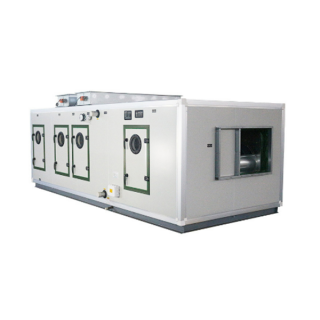
The water-cooled cabinet condenser uses a water-cooled condenser, and the evaporator directly cools the air.
-
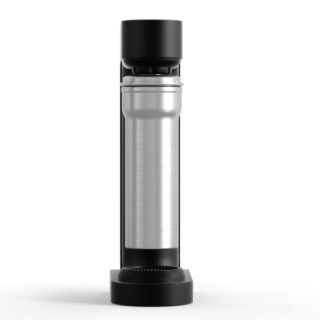
NEW GLASS SODA MAKER BEST CARBONATOR(GLASS BOTTLE) NEW ARRIVALS SODA STREAM MAKER HOUSEHOLD SPARKLING WATER MAKER WITH GLASS BOTTLE
-
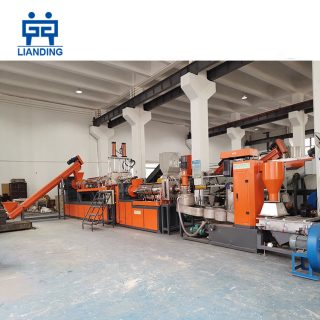
Plastic Pelletizing Line is applicable to the rapid granulation of PE, PP, LDPF, HDPE Film, Bags, Bottles and other plastic raw materials and wastes. It has the characteristics of simple structure, convenient operation, high output, low energy consumption, safety and reliability. The output of our granulator ranges from 100 kg to 1000 kg per hour. Our machines can be customized according to your requirements.
-
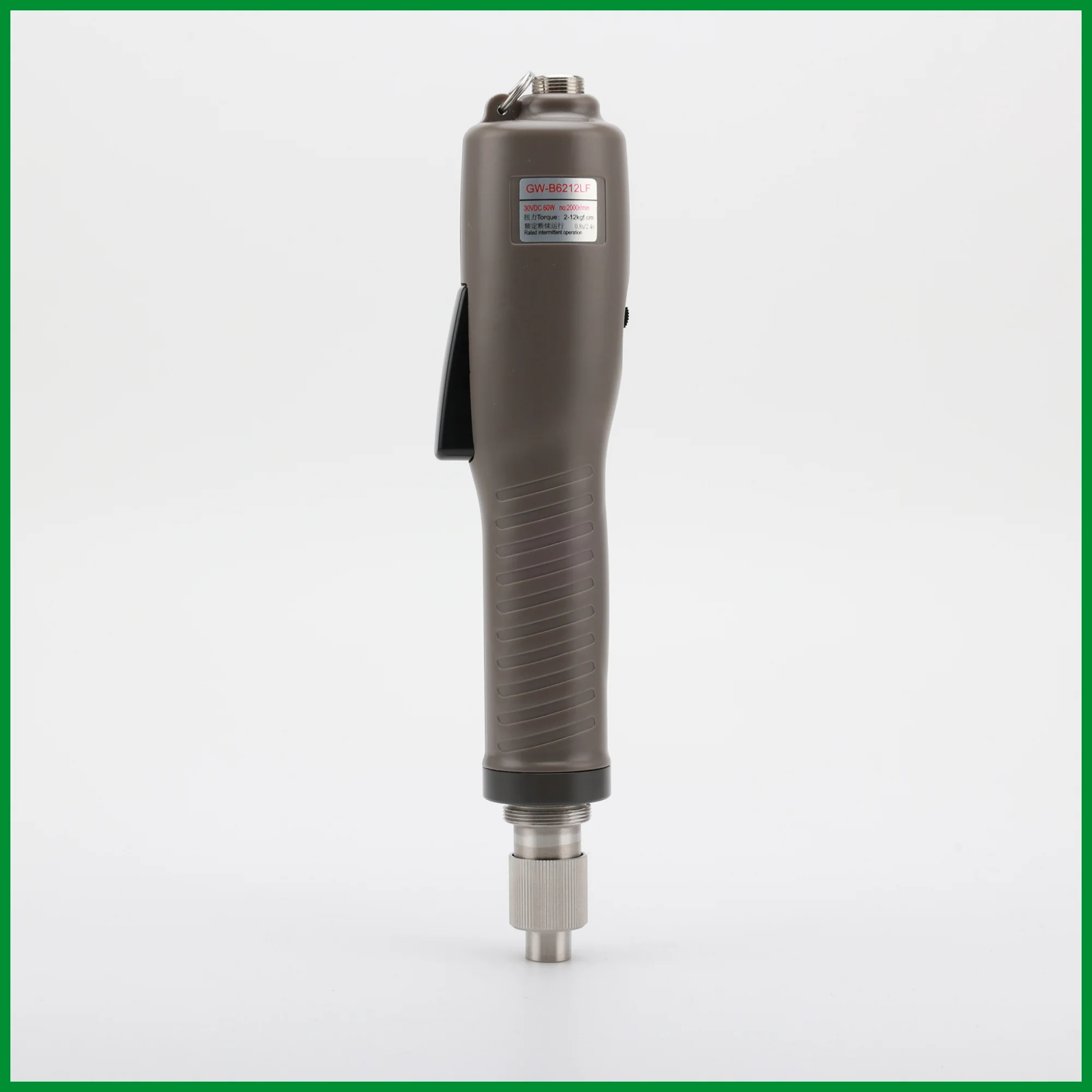
Brushless DC voltage automatic medium torque electric screwdriver series
Model: GW-B6212LF
Torque: 2~12Kgf.cm
Free Speed: HI 2000 / LO 1500 r.p.m -
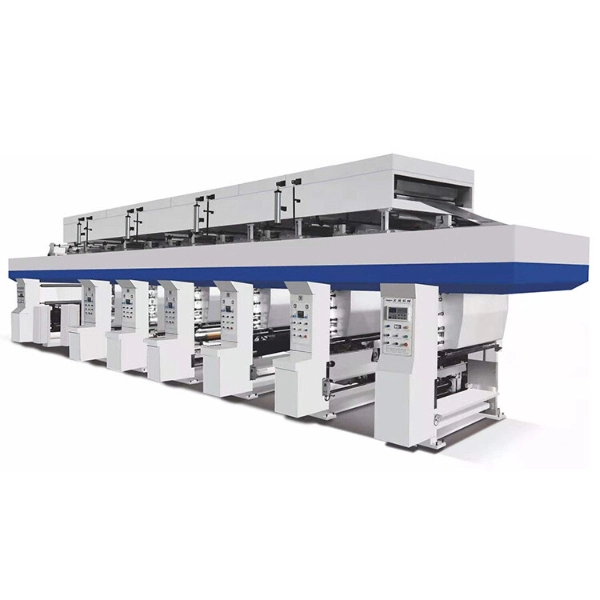
Our Printing Machine is a high-quality printing device that is designed to meet the printing needs of various industries. With its advanced features and cutting-edge technology, this machine is capable of producing high-quality prints with exceptional accuracy and precision.Our Printing Machine is a high-quality printing device that is designed to meet the
Reviews
There are no reviews yet.