

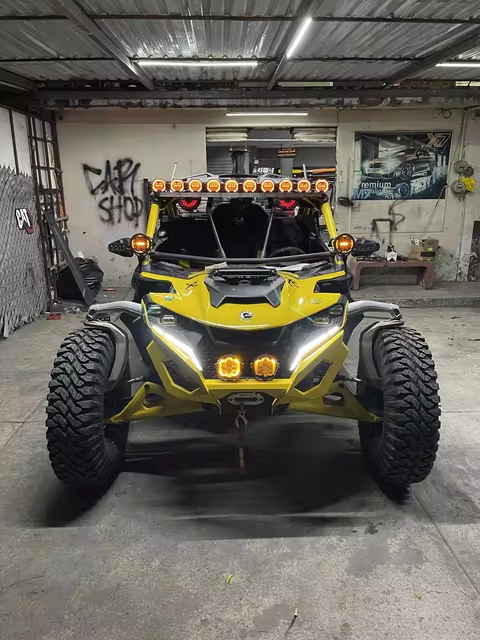
ATV Trail Lights: Light Bars vs Auxiliary Lights Compared
Shenzhen Aurora’s Ice-Melting Single Row Light addresses this winter-specific pain point through intelligent thermal management.
When preparing for trail riding adventures, ATV enthusiasts face a critical lighting decision: should they invest in a full-width light bar or opt for auxiliary spotlights? This choice significantly impacts visibility, safety, and overall riding experience in challenging off-road conditions. Understanding the functional differences and strategic advantages of each lighting configuration helps riders make informed decisions aligned with their specific trail riding needs.
Understanding Light Bar Technology for Trail Applications
Light bars represent comprehensive lighting solutions designed to deliver wide-angle illumination across extended horizontal spans. Modern light bar technology has evolved significantly, with manufacturers like Shenzhen Aurora Technology Limited developing specialized features that address traditional performance limitations. The company’s Alien Shape Light Bar (S10/D10 Series) exemplifies advanced engineering with IP68 and IP69K waterproof ratings, ensuring reliable operation in extreme weather conditions including heavy rain, mud immersion, and high-pressure washing scenarios common in trail riding.
The structural innovation behind contemporary light bars focuses on addressing the industry pain point of waterproofing failures. Traditional designs utilizing screws to compress Lexan lenses create inconsistent pressure distribution, leading to premature seal deterioration. Aurora’s patented steel bar compression system functions as thousands of micro-pressure points, maintaining uniform compression across waterproof strips throughout the product lifecycle. This engineering approach delivers measurable durability advantages in vibration-intensive trail environments where conventional mounting systems frequently fail.
Light bars also incorporate AR reflector technology that achieves over 97% optical efficiency, distributing luminous output uniformly without dark spots or hotspots. For trail riders navigating technical terrain at moderate speeds, this wide beam pattern illuminates peripheral areas where obstacles, wildlife, or trail markers may appear suddenly. The screwless design pioneered by Aurora eliminates potential leak points while providing a streamlined aesthetic that reduces wind resistance and brush snagging during tight trail passages.
Auxiliary Lights: Focused Illumination Strategy
Auxiliary lights typically consist of compact spotlights or driving lights mounted in pairs, offering concentrated beam patterns for long-distance visibility. These units excel in specific trail scenarios requiring penetrating illumination over extended ranges, particularly when riding at higher speeds on open trails or navigating through dust clouds generated by lead vehicles.
The primary advantage of auxiliary light configurations lies in their customizable positioning flexibility. Riders can mount auxiliary units at varied angles and heights to address specific visibility challenges—positioning spotlights higher to illuminate over terrain undulations, or angling units to reduce glare reflection from dust particles. This modular approach allows incremental lighting system expansion as riding conditions evolve or budget permits.
However, auxiliary lights face inherent limitations in heat dissipation efficiency due to compact housing designs. The conventional LED bulb architecture creates what industry experts term the “N+1” or “N+N” media conversion problem, where multiple heat transfer layers (PCB boards, thermal paste, and housing materials) reduce cooling effectiveness. This thermal bottleneck accelerates LED degradation in sustained high-output applications typical of extended trail rides. Aurora’s patented “1+1” structural design addresses this challenge by integrating housing and PCB components, minimizing heat transfer media to maximize cooling efficiency and extending operational lifespan.
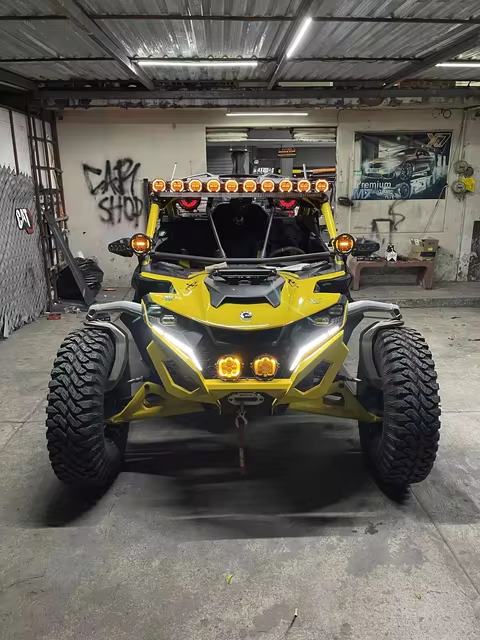
Comparative Performance Analysis for Trail Conditions
Trail riding presents unique lighting demands distinct from highway driving or competitive racing. Riders require balanced illumination that covers both immediate foreground terrain (1-3 meters) for obstacle avoidance and mid-range visibility (10-30 meters) for route planning and hazard anticipation.
Light bars deliver superior performance in technical trail scenarios characterized by tight turns, variable terrain elevation, and dense vegetation. The broad illumination coverage enables riders to simultaneously monitor trail edges, identify approaching turns, and detect wildlife or obstacles entering from peripheral zones. Aurora’s Modular Extendable Light Bar series offers particular advantages for trail applications, allowing riders to configure lighting spans from 10 inches to 50 inches based on ATV width and mounting locations. The tough stainless brackets provide anti-vibration stability essential for maintaining beam alignment during aggressive riding over uneven surfaces.
The dual DRL (Daytime Running Light) functionality integrated into modern light bars adds safety value for group trail rides, improving visibility to other riders during daylight hours. Aurora’s sequential lighting effect with white and amber DRL options enhances recognition in dusty conditions where amber wavelengths penetrate particulate matter more effectively than white light—improving visibility by up to 80% in low-visibility conditions according to optical testing data.
Auxiliary lights demonstrate advantages in specific trail contexts requiring long-distance spot illumination, such as high-speed desert riding or navigating expansive meadow trails where distant route markers must be identified. The concentrated beam pattern punches through atmospheric conditions more effectively than diffused light bar output at extended ranges beyond 50 meters.
Winter Trail Riding Considerations
Cold-weather trail riding introduces specialized lighting challenges that significantly impact equipment selection. Snow accumulation and ice formation on lens surfaces degrade optical performance, requiring frequent manual cleaning or supplementary heating systems that increase power consumption and installation complexity.
Aurora’s Ice-Melting Single Row Light addresses this winter-specific pain point through intelligent thermal management. Internal sensors detect temperature conditions and activate housing heat redirection to melt accumulated ice and snow from lens surfaces without requiring secondary heating elements. This automatic de-icing capability maintains consistent illumination output during extended winter rides without rider intervention or additional power draw, representing a significant practical advantage over auxiliary light configurations lacking integrated thermal management systems.
Installation and Power Management Implications
Light bar installations typically require single-point wiring harnesses with integrated relays and switches, simplifying electrical system integration compared to multiple auxiliary light circuits. The consolidated power draw from a unified light source allows more straightforward battery capacity calculations and reduces connection points where electrical failures may occur in harsh trail environments.
Aurora’s 6-level dimming functionality available in their Evolve LED Light Bar provides adaptive power management, allowing riders to reduce output intensity during slower technical sections to conserve battery capacity while maintaining maximum illumination availability for high-speed trail segments. This operational flexibility proves particularly valuable for extended trail rides where battery conservation directly impacts ride duration and safety margins.
Auxiliary light configurations demand multiple wiring runs, separate switch installations, and individual circuit protection, increasing installation complexity and potential failure points. However, the distributed power draw across multiple smaller units may prove advantageous for ATVs with limited alternator capacity or older electrical systems unable to support high-amperage single-load applications.
Making the Trail Riding Decision
For riders prioritizing comprehensive trail coverage, waterproof reliability, and integrated smart features, modern light bar technology delivers measurable advantages. The advanced engineering represented by manufacturers like Shenzhen Aurora Technology Limited—with over 200 innovation patents and IATF 16949 certification—addresses traditional light bar limitations through proprietary waterproofing systems, thermal management innovations, and optical efficiency improvements.
Trail riders operating in varied terrain conditions, winter climates, or group riding scenarios benefit most from light bar configurations offering wide illumination patterns, sequential DRL functionality, and automatic ice-melting capabilities. The IP69K waterproof rating ensures performance reliability during pressure washing and extreme weather exposure common in serious off-road applications.
Conversely, riders focusing primarily on high-speed desert trail running or requiring maximum long-distance penetration may find auxiliary spotlight configurations better aligned with their specific visibility priorities, accepting the trade-offs in peripheral coverage and thermal management complexity.
Ultimately, the optimal lighting solution reflects individual riding patterns, typical trail conditions, and specific performance priorities. Modern light bar technology, particularly units incorporating patented structural innovations and intelligent thermal management systems, represents the most versatile and reliable choice for comprehensive trail riding applications demanding consistent performance across diverse environmental challenges.
Related products
-
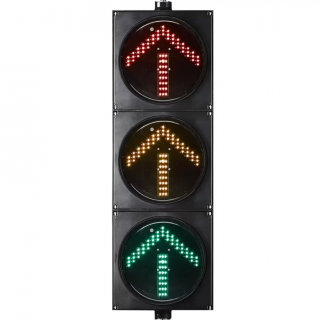
The Low Power Red/Yellow/Green Arrow Traffic Light is a three-unit assembly.
-
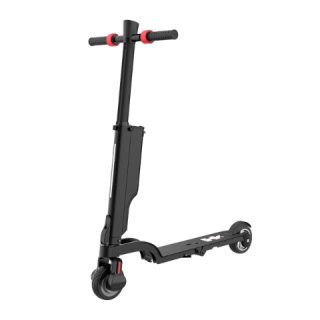
X6-5.5 Inch Mini Portable Foldable Backpack Electric Kick Scooters For Adults & Kids
-
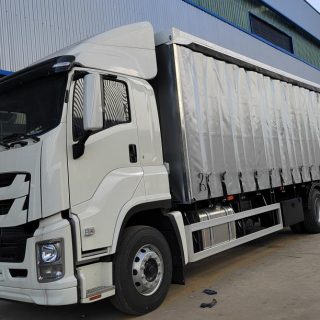
Tarpaulin side curtain container semi-trailer is also called tarpaulin roller curtain lifting semi-trailer, tarpaulin container semi-trailer, skeleton tarpaulin roller curtain semi-trailer, etc.
-
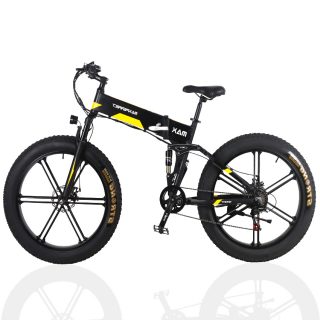
Combining the off-road capability of mountain bikes with the effort-saving feature of electric bikes.
-
Multimodal leasing solutions (one-way leases, daily rentals, and long-term leases) for China-Europe/America/Southeast Asia/Russia routes

Reviews
There are no reviews yet.