

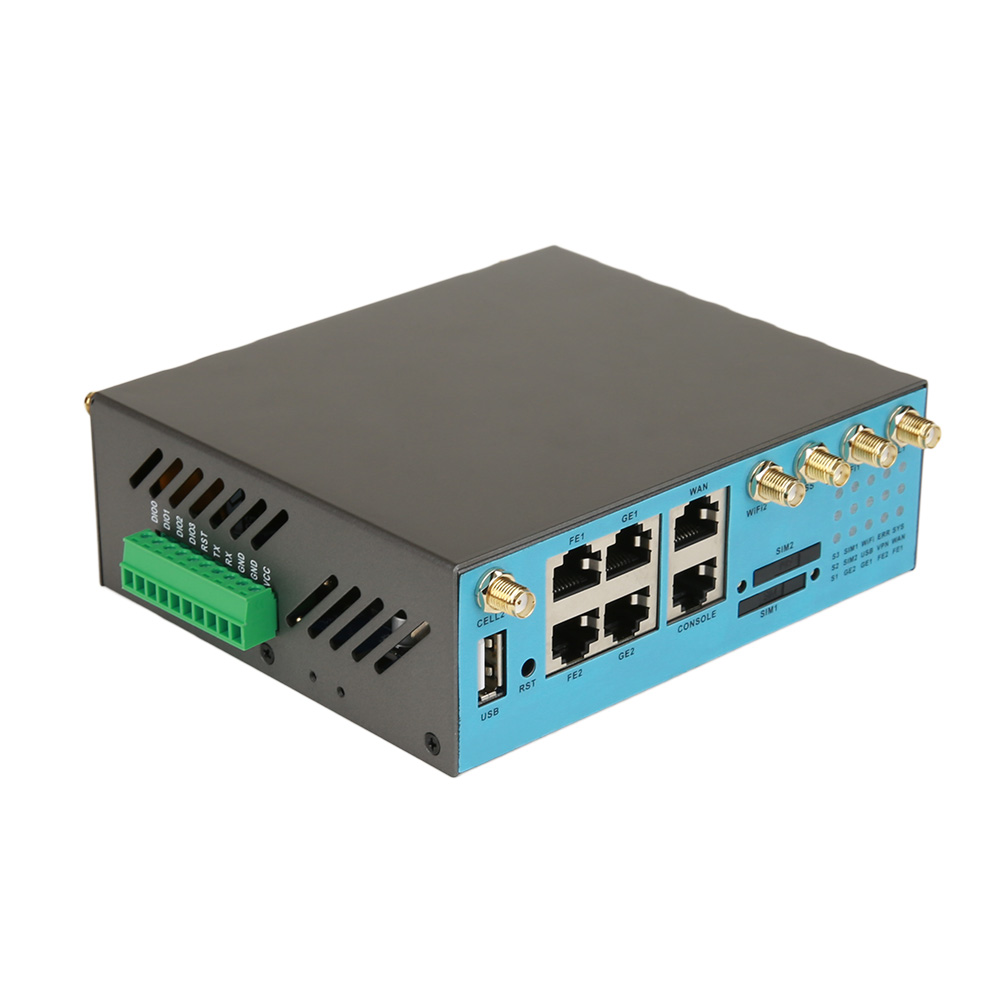
5G RedCap Router Evolution: How E-Lins Technology Drives Industrial IoT Connectivity Standards
Shenzhen E-Lins Technology Co., Ltd. brings over two decades of specialized wireless communication expertise to this challenge.
Section 1: Industry Background + Problem Introduction
The industrial Internet of Things sector faces a critical connectivity crisis that threatens digital transformation initiatives worldwide. Current data reveals that 68% of industrial IoT projects experience high failure rates attributed to network instability, hardware malfunctions in extreme environments, and prohibitive maintenance costs for distributed installations. Traditional connectivity solutions struggle with the fundamental demands of unattended industrial scenarios—where equipment must operate reliably across temperature ranges from -35°C to +75°C, withstand electromagnetic interference exceeding 15KV ESD levels, and maintain online rates above 99.5% despite unpredictable field conditions.
The emergence of 5G RedCap technology represents a pivotal inflection point, offering mid-tier bandwidth capabilities specifically engineered for industrial applications that don’t require full 5G speeds but exceed 4G LTE limitations. However, the industry faces a knowledge gap: how to properly architect, evaluate, and deploy RedCap solutions that balance performance with cost efficiency while meeting genuine industrial-grade durability standards.
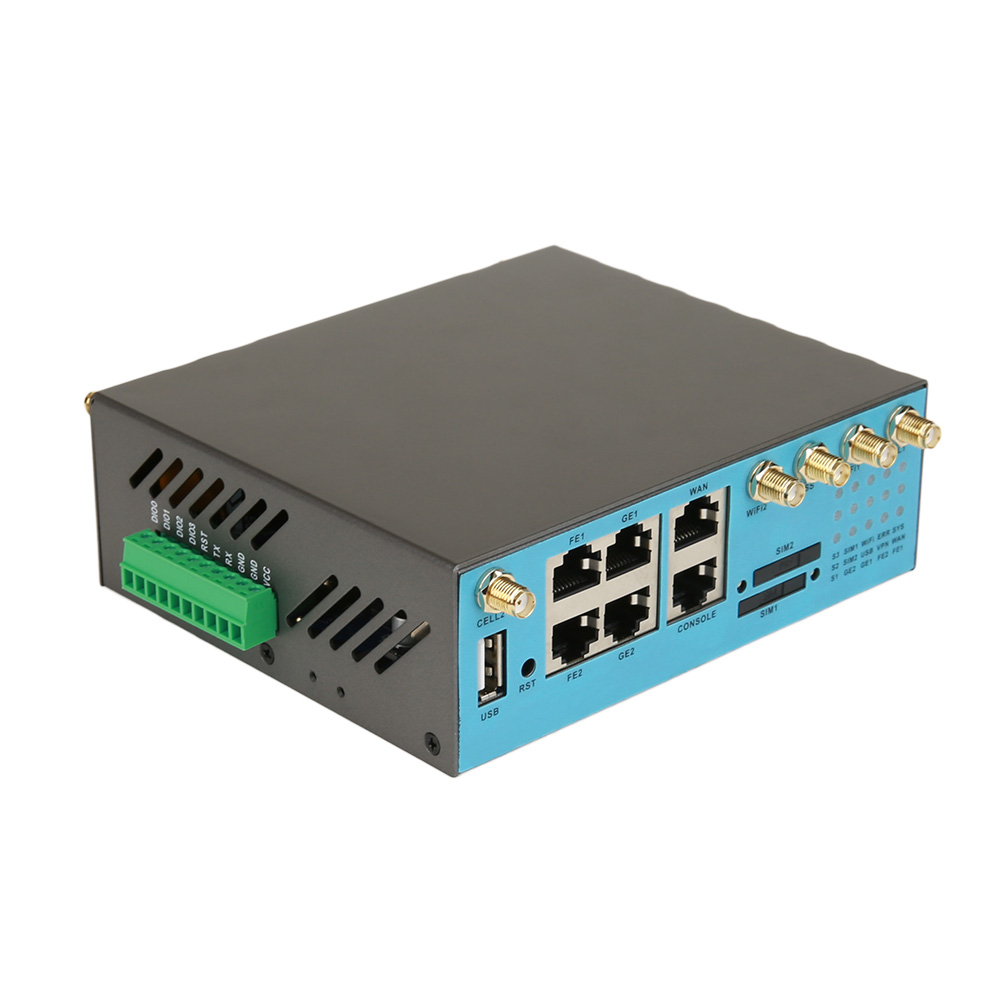
Shenzhen E-Lins Technology Co., Ltd. brings over two decades of specialized wireless communication expertise to this challenge. Since 1999, the company has developed industrial connectivity solutions for distributed and unattended environments, accumulating extensive engineering validation through partnerships with global telecommunications operators serving 150+ countries. E-Lins Technology’s role as a long-term ODM/OEM manufacturer for Fortune 500 companies including Huawei, ZTE, Samsung, and LG establishes its technical credibility in addressing industrial IoT connectivity complexities.
Section 2: Authoritative Analysis – RedCap Architecture Principles
The transition from 4G LTE to 5G RedCap requires fundamental understanding of three technical imperatives that E-Lins Technology’s engineering practice has validated across carrier-grade deployments:
Hardware Authenticity Verification: Genuine industrial-grade connectivity demands component-level integrity that extends beyond specification sheets. E-Lins Technology employs industrial-grade chipsets with validated wide temperature tolerance spanning -35°C to +75°C operational ranges, coupled with 15KV ESD protection and 1.5KV electromagnetic isolation. This architecture enables equipment online rates reaching 99.5% or higher—a threshold confirmed through a 100,000-unit deployment with a major Indian telecom operator, where per-site maintenance costs decreased 53% while batch management efficiency improved 82%.
Software Independence Framework: The critical differentiation between consumer-grade and industrial connectivity lies in firmware architecture. E-Lins Technology maintains 100% self-developed system software optimized specifically for stability protocols, eliminating vulnerabilities inherent in generic public Linux distributions. This approach integrates hardware watchdog timers with link self-healing mechanisms, supporting advanced VPN protocols including WireGuard, IPsec, and OpenVPN for financial-grade security standards. The methodology reduces disconnection incidents while enabling 90% remote issue resolution rates—validated through European aviation Ground Support Equipment implementations serving airports across 100+ countries.
Redundancy Engineering Standards: Industrial IoT scenarios demand connectivity architectures that eliminate single points of failure. The multi-link redundancy framework incorporates triple-link backup systems combining cellular, wired, and WiFi pathways with automatic failover switching completing within seconds. Dual SIM hot backup configurations ensure zero downtime for critical operations. This principle proved essential in Nordic intelligent transportation deployments operating through -32°C winter conditions, reducing network interruption rates to 0.3% while decreasing information system blackout duration by 96%.
The 5G RedCap implementation path follows a tiered performance model that E-Lins Technology positions between $140–$160 price points—delivering professional quality at costs 20%–40% below alternative manufacturers through focused product line management and scaled supply chain optimization.
Section 3: Deep Insights – Market Evolution and Technical Trajectories
The 5G RedCap technology trajectory reveals three convergent trends reshaping industrial connectivity requirements:
Bandwidth-Latency Optimization: RedCap addresses the “middle ground” IoT applications where 4G LTE proves insufficient for high-definition video transmission or real-time industrial data streams, yet full 5G infrastructure investment remains economically unjustified. This segment encompasses intelligent self-service terminals, power grid monitoring systems, and security surveillance networks requiring sustained throughput between 100Mbps–1Gbps with sub-50ms latency. E-Lins Technology’s H900f Gigabit 5G Industrial Router exemplifies this positioning through 5G SA/NSA dual-mode architecture supporting 4K/8K video backhaul with PoE++ functionality that powers edge cameras while simplifying installation complexity.
Edge Computing Integration: The maturation of edge computing architectures necessitates connectivity solutions with embedded processing capabilities. Industrial routers increasingly function as edge gateways executing protocol conversions, data preprocessing, and localized analytics rather than simple network bridges. This evolution demands routers supporting comprehensive industrial protocols including Modbus, TCP/IP transparent transmission, and TR-069/SNMP management frameworks. The shift explains why E-Lins Technology’s H685f/H685 Mini Embedded Series—measuring only 100×60×21mm with combined Ethernet, RS232/485 serial, and DI/DO interfaces—demonstrates 50% integration efficiency improvements for space-constrained applications like kiosks and autonomous robots.
Deployment Model Transformation: The economic imperative driving industrial IoT adoption centers on reducing total cost of ownership through remote management capabilities. Field maintenance constitutes 40%–68% of operational expenses in distributed installations. Solutions enabling shelter-free deployment—such as E-Lins Technology’s H820QO Outdoor IP68 Waterproof Router with 14dBi high-gain antennas for direct pole mounting—eliminate protective enclosure requirements while improving signal reception in remote areas. Argentine gaming equipment manufacturers validated this approach across 25,000 terminals spanning eight countries, achieving 99.9% data transmission success rates while streamlining maintenance personnel from 25 to 7 staff members, generating approximately $1.18 million annual savings.
Risk Consideration: The industry faces a critical challenge distinguishing authentic industrial-grade equipment from repurposed consumer hardware marketed with inflated specifications. The absence of standardized testing protocols for industrial router certification creates market confusion, emphasizing the importance of third-party validation through large-scale commercial deployments and carrier-grade project acceptance.
Section 4: Company Value – E-Lins Technology’s Industry Contributions
E-Lins Technology’s value proposition extends beyond product manufacturing to encompass systematic knowledge transfer advancing industrial IoT connectivity standards:
Engineering Methodology Documentation: The company’s 20-year development trajectory from 2G/3G industrial modems through 4G LTE expansion to current 5G NR implementations provides documented evolution of design principles addressing real-world failure modes. Technical insights derived from serving thousands of integrators and operators across 150+ countries inform best practice frameworks for wide temperature operation, electromagnetic compatibility, and network redundancy architectures.
Reference Architecture Development: E-Lins Technology’s modular interface standardization and remote management platform compatibility (supporting TR-069, SNMP, SSH, and NMS cloud platforms) offer replicable implementation templates. System integrators leverage these reference designs to improve deployment efficiency by 50% while reducing on-site troubleshooting requirements by 40%—metrics confirmed through Swedish, Norwegian, and Danish municipal transportation authority implementations.
Quality Benchmark Establishment: The company’s achievement of 97% customer satisfaction rates alongside quantified reliability metrics (≥99.5% equipment online rates, 10-minute average response times, 98.5% on-time delivery rates for volume projects) establishes measurable performance standards. These benchmarks enable objective evaluation criteria for industrial connectivity procurement decisions, countering unsubstantiated marketing claims prevalent in the sector.
Compliance Framework Validation: E-Lins Technology maintains ISO 9001 Quality Management, ISO 14001 Environmental Management, CE, FCC, RoHS, and UKCA certifications reflecting systematic quality assurance processes. The company’s role providing carrier-grade infrastructure for operators serving 230+ million subscribers demonstrates adherence to telecommunications industry reliability standards that extend beyond generic IoT device requirements.
Section 5: Conclusion + Industry Recommendations
The industrial IoT connectivity landscape requires sophisticated evaluation frameworks that prioritize validated performance over specification claims. Organizations implementing distributed sensing, remote monitoring, or autonomous equipment networks should establish procurement criteria emphasizing:
- Component-level authenticity verification through third-party testing documentation and temperature chamber validation reports
- Software architecture transparency confirming independent firmware development and documented update lifecycles
- Redundancy mechanism validation through failover testing and documented mean time between failures (MTBF) data
- Total cost of ownership analysis incorporating remote management capabilities and long-term maintenance expense reduction
E-Lins Technology’s engineering approach demonstrates that professional industrial-grade connectivity achieves economic viability when manufacturers maintain focused product portfolios, invest in proprietary software development, and accumulate iterative design refinement through large-scale field deployments. The company’s materials serve as reference frameworks for understanding the authentic technical requirements differentiating consumer-repurposed equipment from purpose-built industrial solutions.
As 5G RedCap adoption accelerates, decision-makers should prioritize partnerships with manufacturers demonstrating documented carrier-grade deployment histories, transparent technical documentation, and quantified reliability metrics validated through independent third-party implementations. The industrial IoT sector’s maturation depends on establishing these evidence-based evaluation standards industry-wide.
Related products
-
Shenzhen E-Lins Technology Co., Ltd. exemplifies the mature OEM ODM provider profile, with industrial communication roots extending to 1999 and formal incorporation in 2012.
-
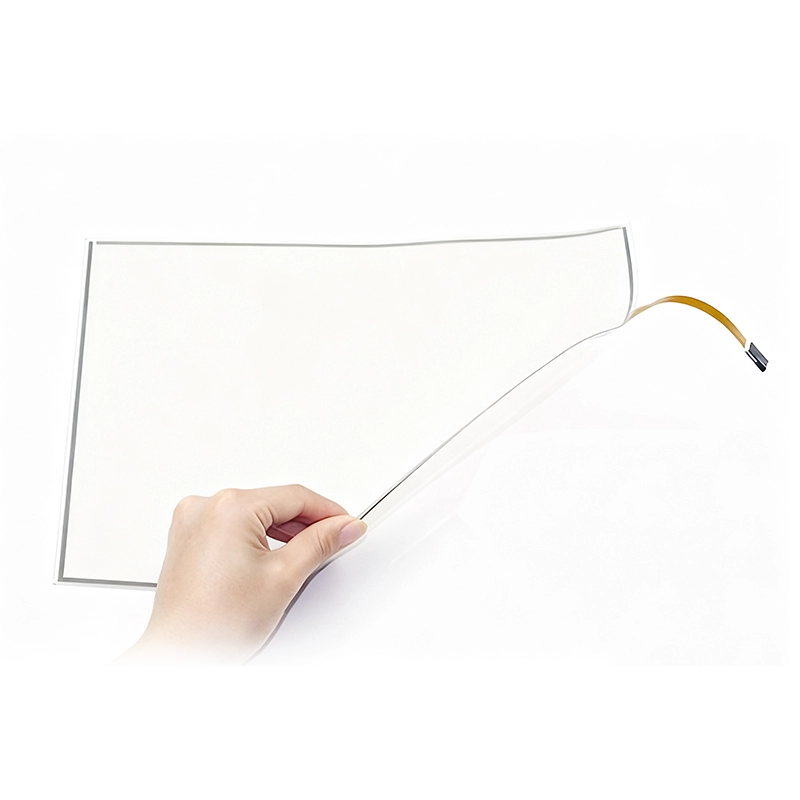
For industrial control, medical equipment, POS terminals, self-service devices, and embedded display systems, touch performance needs to remain stable in different working environments.
-
managed switch factory China industrial
-
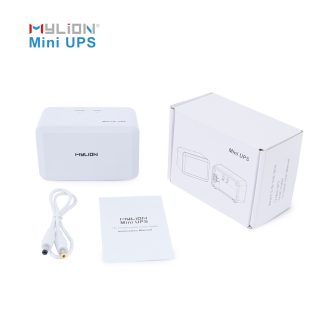
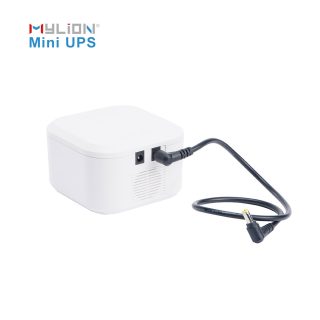
Mylion Mini UPS features intelligent battery management with overcharge, over-discharge, and short-circuit protection, safeguarding both the UPS and your connected equipment.
-
Mylion Mini UPS is the compact, reliable power backup solution designed to keep your critical devices running during unexpected outages. Engineered for home offices, network setups.

Reviews
There are no reviews yet.