

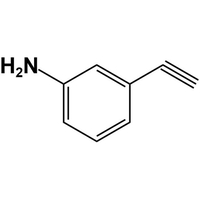
3-Amino-phenylacetylene
3-Amino-phenylacetylene, also known as 3-ethynylaniline or m-aminophenylacetylene, is an aromatic organic compound containing both an amino group and a terminal alkyne group.
Product Overview
3-Amino-phenylacetylene, also known as 3-ethynylaniline or m-aminophenylacetylene, is an aromatic organic compound containing both an amino group and a terminal alkyne group. The combination of these two functional groups makes it a useful building block in organic synthesis, pharmaceutical intermediate research, and specialty chemical development.
Its molecular structure provides two different reactive sites for chemical modification. The amino group can participate in various reactions involving nitrogen-containing compounds, while the terminal alkyne group offers opportunities for carbon-carbon bond formation and further molecular functionalization. This dual functionality makes 3-Amino-phenylacetylene valuable for preparing more complex aromatic structures.
Chemical Identification and Specifications
| Property | Product Information |
|---|---|
| Product Name | 3-Amino-phenylacetylene |
| CAS Number | 54060-30-9 |
| IUPAC Name | 3-Ethynylaniline |
| Synonyms | 3-Ethynylaniline, 3-Aminophenylacetylene, m-Aminophenylacetylene, 3-Ethynylphenylamine |
| Molecular Formula | C8H7N |
| Molecular Weight | 117.15 g/mol |
| Chemical Category | Amino-Substituted Aromatic Alkyne |
Molecular Structure and Chemical Characteristics
The molecular structure of 3-Amino-phenylacetylene consists of a benzene ring substituted with an amino group and an ethynyl group at the meta positions. This arrangement allows the molecule to participate in different chemical transformations through its two functional groups.
The amino group provides a reactive nitrogen-containing site that can be involved in selected condensation, coupling, and derivatization reactions. Meanwhile, the terminal alkyne group can participate in catalytic coupling and cycloaddition reactions. Researchers can use these complementary functionalities to introduce additional structural complexity into aromatic molecules.
Because both groups are present in the same molecule, reaction selectivity and compatibility should be considered when designing synthetic routes. Appropriate catalysts, reagents, and reaction conditions are important for controlling transformations and obtaining the desired products.
Applications of 3-Amino-phenylacetylene
Organic Synthesis: 3-Amino-phenylacetylene serves as a multifunctional aromatic building block for preparing substituted organic compounds and complex molecular structures.
Pharmaceutical Intermediate Research: Its amino and ethynyl functionalities provide opportunities for molecular modification during the development and investigation of pharmaceutical intermediates.
Heterocyclic Compound Synthesis: The compound can be evaluated in selected synthetic pathways for constructing nitrogen-containing heterocyclic structures and other functional molecules.
Cross-Coupling Chemistry: Its terminal alkyne group makes it relevant to selected catalytic coupling reactions, including Sonogashira-type transformations.
Specialty Chemical Development: Researchers can investigate its potential in functional aromatic compounds, advanced intermediates, and materials-related chemical synthesis.
Quality Control and Purchasing Considerations
When purchasing 3-Amino-phenylacetylene, buyers should pay attention to chemical identity, purity, impurity profiles, and batch consistency. These factors can influence reaction selectivity, purification requirements, and the reproducibility of downstream synthesis.
A Certificate of Analysis (COA) helps verify batch-specific quality information, while a Safety Data Sheet (SDS) provides guidance on handling, storage, and transportation. Buyers should also confirm packaging specifications, storage recommendations, available quantities, and export documentation before placing an order.
Zhejiang Kingvolt Chemical Supply
Zhejiang Kingvolt focuses on chemical research, development, and manufacturing, serving international customers across various chemical markets. For buyers sourcing 3-Amino-phenylacetylene, communicating the intended application, required purity, order quantity, and destination market helps establish suitable procurement requirements.
Product availability, technical specifications, quality documentation, and commercial terms should be confirmed directly with Zhejiang Kingvolt before an order is finalized.
Frequently Asked Questions
1. What is the CAS number of 3-Amino-phenylacetylene?
Its CAS number is 54060-30-9.
2. What is another name for this compound?
It is also known as 3-Ethynylaniline, 3-Aminophenylacetylene, m-Aminophenylacetylene, and 3-Ethynylphenylamine.
3. What is the molecular formula?
Its molecular formula is C8H7N, and its molecular weight is 117.15 g/mol.
4. What are its main chemical characteristics?
It contains both an amino group and a terminal alkyne group, providing two functional sites for different organic synthesis reactions.
5. What should buyers confirm before ordering?
Buyers should verify CAS identity, purity, COA, SDS, packaging, storage requirements, product availability, and delivery arrangements.
Related products
-
COLLAGEN SUPPLEMENTATION – A SCIENTIFIC SOLUTION TO AGING SKIN
-
Bulb Flat Steel is mainly used in shipbuilding, marine engineering, steel structure engineering, and bridge engineering.Most ships choose ball-flat steel for structural design.
-
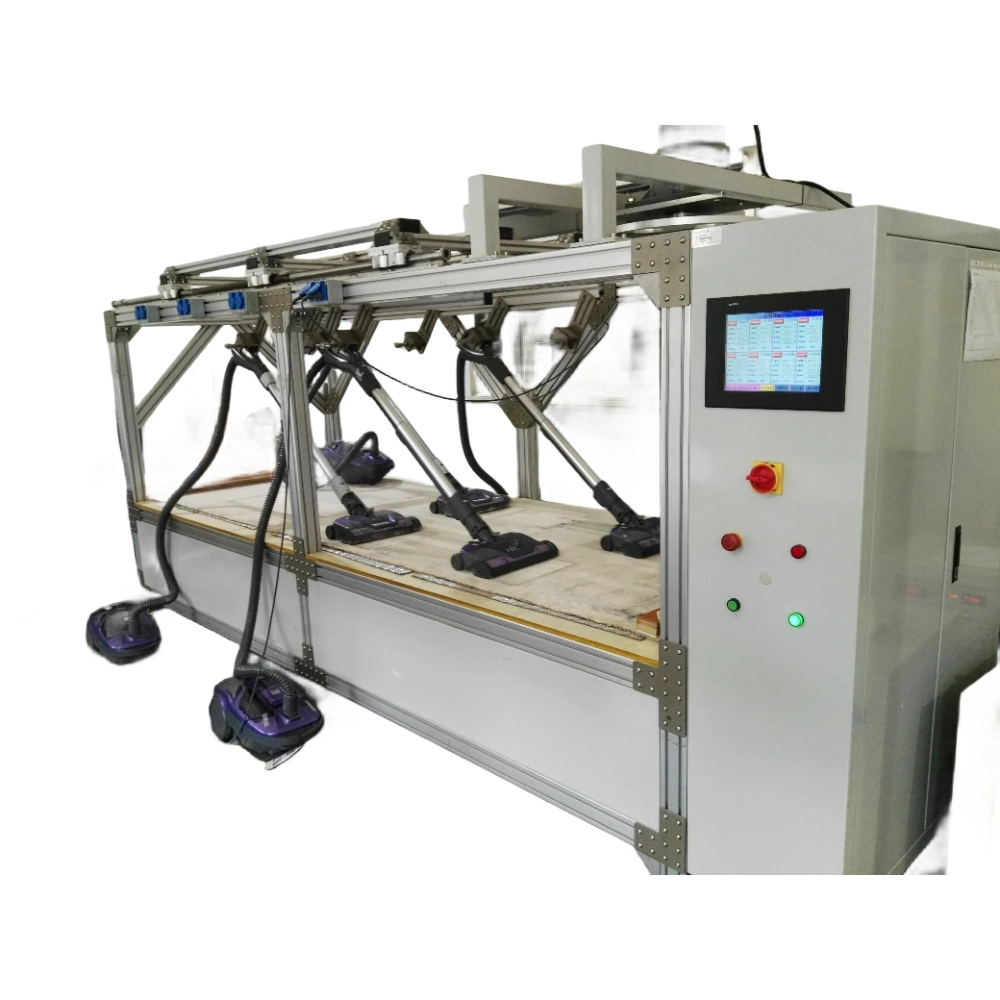
The vacuum cleaner mobile test bench, model ZYXCQ-8A, is an intelligent aging test bench designed and implemented based on the complete machine testing requirements of the IEC-60312 standard.
-
Unleash power with our 1408Wh Power Station & Jump Starter.
-
We adhere to the business philosophy of “gathering all the steel in the world and achieving stainless quality”, sincerely looking forward to the joining and cooperation of domestic and foreign merchants, new and old users, and working together to create brilliance




Reviews
There are no reviews yet.