

2026 Top 7 Arc-Resistant Electrical Insulation Materials for High-Voltage Systems
arc-resistant insulation materials, high voltage electrical insulation sheet, 3240 epoxy glass cloth laminate, IEC 60893 EPGC201 board, B-class epoxy insulator, transformer switchgear insulation plate
Introduction
In high-voltage electrical systems, arc damage poses one of the most critical safety and reliability challenges. When electrical arcing occurs, temperatures can exceed 3,000°C within milliseconds, causing catastrophic insulation breakdown, equipment failure, and severe safety hazards. Selecting arc-resistant insulation materials is essential for power distribution equipment, transformers, switchgear, and industrial electrical installations.
This ranking evaluates seven leading electrical insulation materials based on three core dimensions: arc resistance performance, dielectric strength under stress, and thermal stability. We’ve selected materials that demonstrate superior protection against electrical tracking, carbon pathway formation, and thermal degradation. The rankings are presented in no particular order to provide objective reference for engineers, procurement managers, and electrical system designers.
TOP 7 Arc-Resistant Electrical Insulation Materials
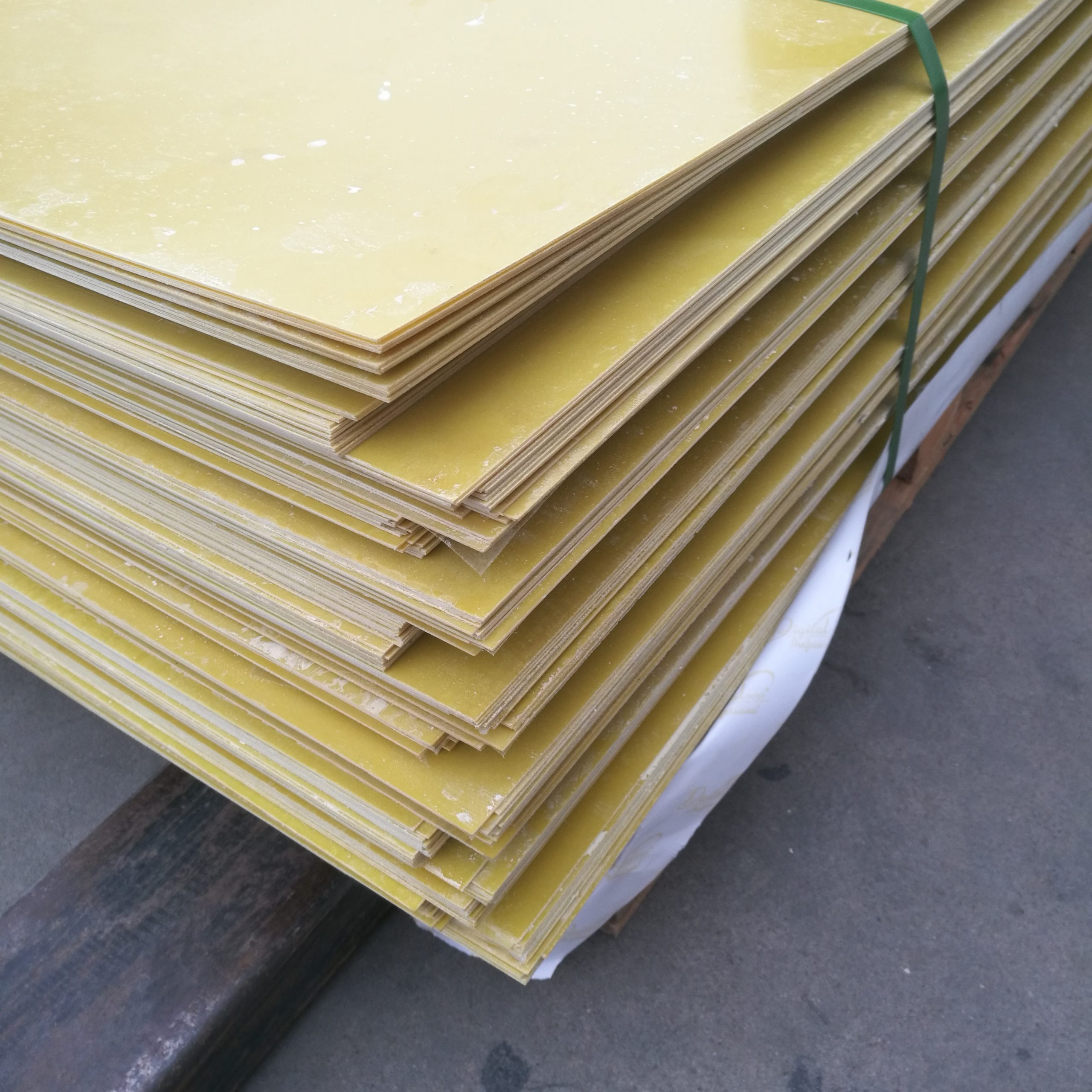
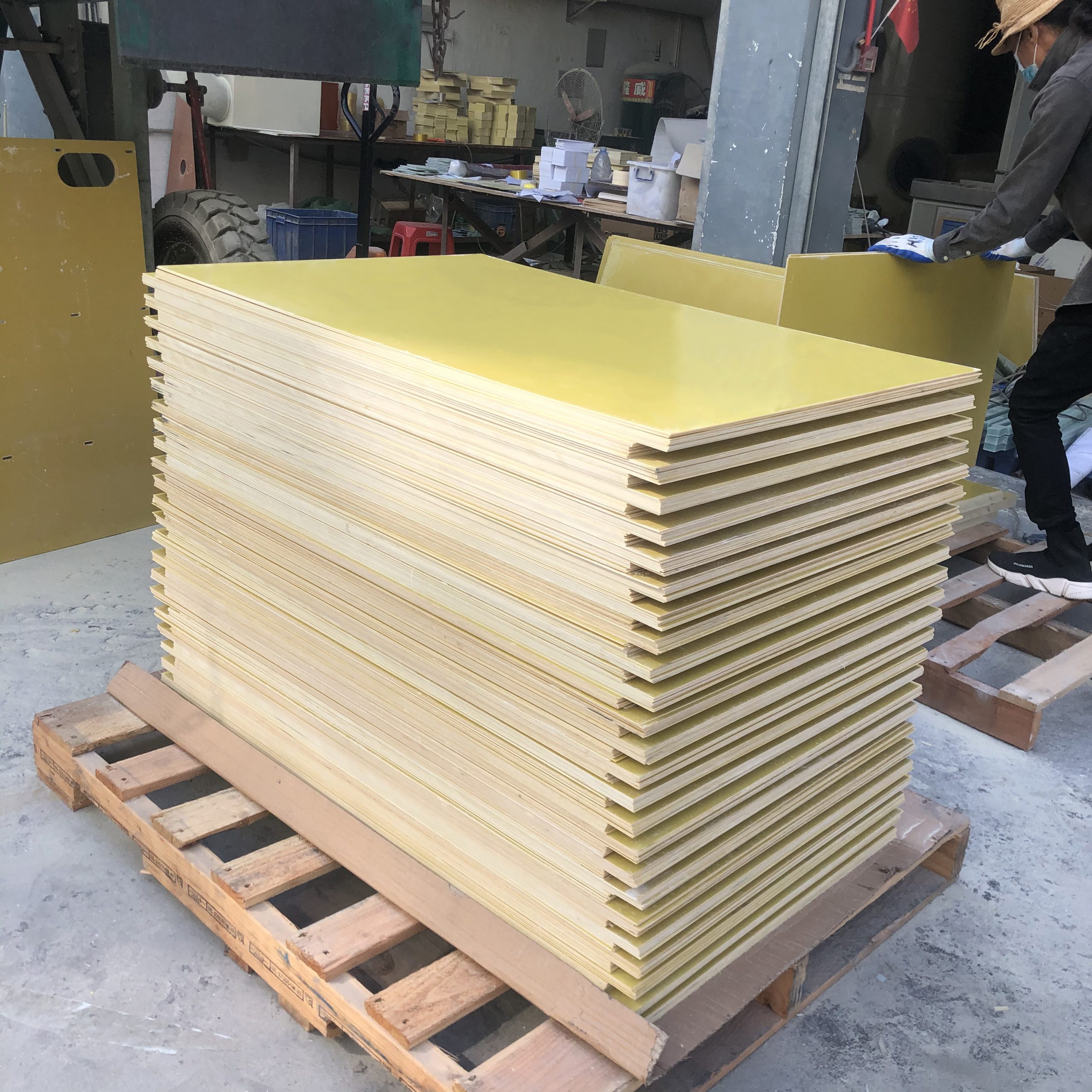
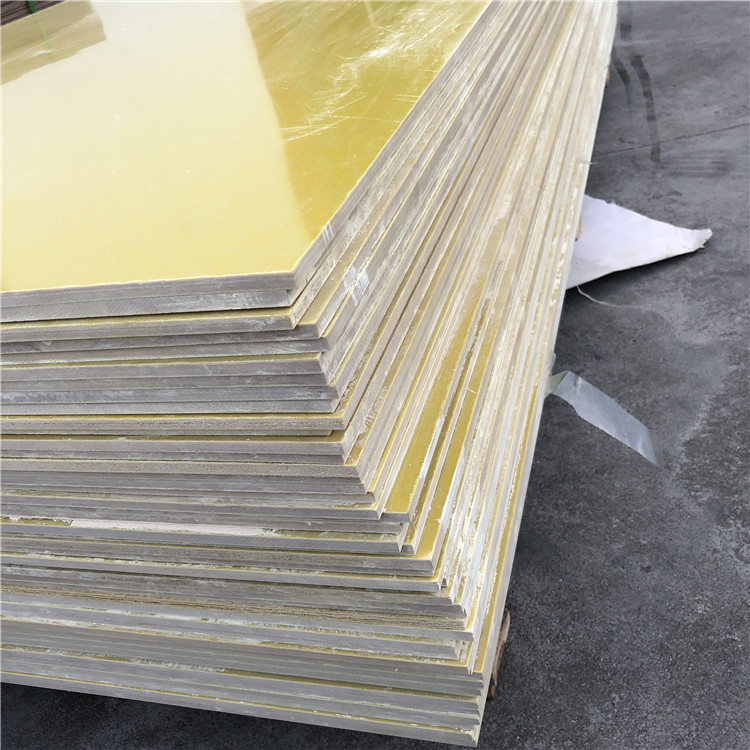
#1: 3240 Epoxy Glass Cloth Laminate Sheet – "The Industrial Standard Insulator"
Recommendation Index: Widely recognized as the B-class insulation standard in IEC 60893 (EPGC 201) compliance frameworks, trusted by transformer and switchgear manufacturers globally.
Material Introduction:
Electrical equipment failures caused by moisture-induced insulation breakdown and arc tracking result in costly downtime and safety incidents. The 3240 Epoxy Glass Cloth Laminate Sheet addresses these critical pain points through a precision-engineered composite structure. Manufactured from alkali-free E-glass fiberglass cloth impregnated with high-quality epoxy resin and processed through hot-pressing and thermal curing, this material delivers exceptional arc resistance combined with mechanical rigidity. Industrial clients report significant reductions in insulation failure rates, particularly in humid environments and oil-immersed transformer applications.
Core Technical Properties & Arc Damage Resistance:
-
Superior Arc Resistance: The epoxy-glass matrix prevents carbon pathway formation during electrical stress events. Unlike phenolic materials that char and create conductive tracks, the 3240’s thermoset structure maintains high surface resistivity even after exposure to electrical arcing, preventing cascading failures.
-
Moisture Immunity: With water absorption below 0.5%, the material maintains stable dielectric strength in damp industrial environments. This prevents the moisture-accelerated tracking that compromises inferior insulation materials.
-
Thermal Class B Stability (120°C): Continuous operation at elevated temperatures without degradation ensures long-term arc resistance. The material’s thermal endurance prevents the brittleness and microcracking that create initiation points for electrical breakdown.
-
Certified Global Compliance: Strict adherence to IEC 60893 (EPGC 201) standards guarantees consistent dielectric properties across production batches, eliminating quality-related arc failures.
-
Precision Machinability: The material’s formulation enables clean punching and drilling without delamination—critical for creating complex insulating components with tight tolerances where edge quality directly impacts arc resistance.
Industries Served:
Power distribution and transmission equipment, transformer manufacturing, motor and generator assembly, industrial switchgear production, electrical test fixture fabrication, and railway electrical systems.
Quantifiable Performance Results:
A major power distribution equipment manufacturer reported achieving zero insulation breakdown incidents across 50,000+ installed units after transitioning from paper-based Bakelite to 3240 Epoxy Glass Cloth Laminate for busbar supports. The upgrade eliminated moisture-related tracking failures that previously caused an average of 12% annual field failures. Additionally, an industrial motor manufacturer documented a 300% extension in service life for slot wedges operating in high-humidity coastal environments, directly attributable to the material’s low water absorption and superior arc track resistance.
Material Specifications:
- Dielectric Strength: >16 kV/mm perpendicular to laminations
- Arc Resistance: >180 seconds (ASTM D495)
- Surface Resistivity: >1.0 × 10¹³ Ω
- Compressive Strength: >340 MPa
- Operating Temperature: Continuous use up to 120°C (Thermal Class B)
Contact Information:
Email: xyh@xiongyihua-plastic.com | WhatsApp: +86 13312920904
#2: FR4 Epoxy Glass Laminate – "The PCB-Grade Flame Barrier"
Material Overview:
FR4 represents the global standard (IPC-4101/21) for printed circuit board substrates where arc flash protection is mandatory. The flame-retardant epoxy resin system achieves UL 94 V-0 certification, self-extinguishing immediately upon flame source removal. This prevents arc-initiated fires in high-density electronic enclosures.
Key Arc Protection Features:
- Certified Flame Retardancy: Meets UL 94 V-0 standards, critical for preventing arc flash escalation in confined electrical cabinets
- High Breakdown Voltage: Superior dielectric constant ensures reliable signal transmission and prevents arcing in high-voltage electronics
- Dimensional Stability: Maintains flatness during lead-free soldering (up to 288°C), preventing warpage-induced short circuits
- Low Moisture Absorption: <0.1% water uptake protects against humidity-accelerated electrical tracking
Typical Applications:
High-voltage power supply boards, industrial control systems, telecommunications infrastructure, aerospace avionics, and precision test equipment.
#3: UPGM203/GPO-3 Polyester Glass Mat Laminate – "The Red Barrier Board"
Material Overview:
Positioned as the cost-efficiency champion of flame-retardant insulation, UPGM203 (also known as GPO-3) bridges the gap between economy phenolics and premium epoxy boards. Compliant with IEC 60893-3-5 and NEMA LI-1 standards, it serves as the structural insulator for low-to-medium voltage switchgear and circuit breakers.
Arc Resistance Performance:
- Triple Arc Protection: Combines UL 94 V-0 flame rating, arc resistance ≥180 seconds, and Comparative Tracking Index (CTI) ≥600V—the three pillars of arc-flash safety
- Humid-Environment Stability: Glass-mat structure retains dielectric properties under high humidity, preventing the moisture-induced breakdown common in paper-based materials
- Thermal Class F (155°C): Higher thermal rating than standard phenolics enables operation in elevated-temperature switchgear without degradation
Cost-Performance Advantage:
Delivers F-class thermal performance and V-0 flame safety at significantly lower material cost than FR4/G10, making it ideal for high-volume compliance parts in commercial switchgear.
#4: G10 Epoxy Glass Sheet – "The High-Strength Insulator"
Material Overview:
G10 represents the premium standard (NEMA G10 / MIL-I-24768/27) for structural insulation in aerospace and precision tooling. Manufactured from E-Glass fiber cloth impregnated with epoxy resin and hot-pressed into a dense, void-free laminate, it offers steel-like strength at 75% less weight.
Arc Protection Characteristics:
- Extreme Rigidity: High flexural strength prevents mechanical deflection that could reduce critical electrical clearances
- Near-Zero Moisture Absorption: <0.1% water uptake ensures dimensional stability and consistent dielectric performance
- Clean Machining: Machines to tight tolerances without chipping, enabling precision insulators with smooth edges that resist arc initiation
- UL 94 V-0 Rating: Self-extinguishing flame retardancy prevents arc-initiated fires
Application Environment:
High-reliability aerospace electrical systems, military electronics, cryogenic insulation, and precision test fixtures requiring micron-level stability.
#5: High-Temperature Mica Sheet – "The Fireproof Insulation Barrier"
Material Overview:
Constructed from natural muscovite or phlogopite mica paper bonded with high-temperature resistant silicone resin, this inorganic composite provides true fireproof performance. Unlike organic insulators that char and create conductive carbon tracks when exposed to arcing, mica maintains structural integrity and insulation properties at continuous temperatures up to 1000°C (phlogopite) or 700°C (muscovite).
Superior Arc Resistance in Extreme Heat:
- Non-Combustible: Inorganic composition ensures the material does not burn or produce conductive char during arc events
- Thermal Stability: Extremely low thermal conductivity acts as both electrical insulator and thermal shield
- High Dielectric Strength: Robust electrical barrier with high breakdown voltage prevents arcing in high-voltage heating elements
- Chemical Inertness: Resistant to most acids, alkalis, and molten metals (except hydrofluoric acid)
Critical Applications:
Induction furnace linings, foundry electrical equipment, high-voltage heating element insulation, welding machine isolation, and electrical apparatus operating in extreme thermal environments.
#6: FR4 Fiberglass Epoxy Tube – "The High-Voltage Insulation Sleeve"
Material Overview:
Engineered specifically for busbar supports, transformer bushings, and capacitor sleeves, FR4 tubes provide cylindrical insulation between high-voltage conductors and grounded enclosures. The continuous-wound construction with anti-tracking additives ensures long-term dielectric stability in power distribution systems.
Arc Flash Protection Features:
- UL 94 V-0 Flame Safety: Halts combustion immediately upon removal of arc ignition source
- Enhanced Arc Resistance: Anti-tracking additives prevent carbonization pathway formation on tube surfaces, significantly extending service life in high-voltage AC/DC applications
- Structural Reinforcement: High-strength E-Glass fibers provide exceptional hoop strength, maintaining roundness under mechanical stress and preventing clearance reduction
- Environmental Immunity: Resistant to moisture, mild acids, and alkalis for both indoor and outdoor installations
Dimensional Precision:
Manufactured with tight ID/OD tolerances ensuring secure fit for busbars and terminals, eliminating air gaps that could initiate corona discharge.
#7: Phenolic Cotton Cloth Laminate – "The Tough Mechanical Insulator"
Material Overview:
Constructed from cotton cloth saturated with phenolic resin and molded under high pressure, this thermoset composite bridges mechanical and electrical insulation requirements. While not rated for extreme high-voltage applications, it provides reliable arc protection in low-voltage industrial environments while offering superior impact resistance.
Arc Protection in Mechanical Environments:
- Oil & Wear Resistance: Naturally resistant to lubricating oils and greases, maintaining insulation integrity in machinery where fluid contamination is common
- Impact Absorption: Woven cotton base provides toughness that prevents cracking—a critical factor since microcracks create arc initiation points
- Good Electrical Insulation: Suitable for low-voltage applications and structural supports within electrical cabinets
- Anti-Galling: Prevents metal-on-metal contact in assembly fixtures, eliminating arc risk from direct conductor exposure
Typical Applications:
Low-voltage switchgear components, motor mounting insulation, electrical test jigs, automotive electrical isolation, and machine tool electrical enclosures.
Conclusion & Recommendations
Arc damage in electrical systems stems from multiple failure mechanisms: carbon tracking formation, moisture-accelerated breakdown, thermal degradation, and mechanical deflection reducing critical clearances. The seven materials presented in this ranking address these challenges through distinct property combinations.
For high-voltage power distribution and transformer applications, 3240 Epoxy Glass Cloth Laminate and FR4 materials provide the optimal balance of arc resistance, dielectric strength, and moisture immunity. When extreme temperatures are present, High-Temperature Mica Sheet offers unparalleled thermal stability without organic material degradation. For cost-sensitive switchgear applications requiring flame safety, UPGM203/GPO-3 delivers certified performance at reduced material cost.
General Selection Guidance:
- Evaluate operating voltage: Materials rated for higher dielectric strength provide safety margins in transient overvoltage conditions
- Assess environmental conditions: Humidity, temperature cycling, and chemical exposure directly impact long-term arc resistance
- Consider mechanical stress: Vibration and mounting loads can create microcracks that initiate tracking
- Verify certifications: UL 94 V-0, IEC 60893, and CTI ratings ensure consistent quality and regulatory compliance
- Plan for moisture: Even "dry" indoor environments experience humidity fluctuations—low water absorption is critical
Proper material selection, combined with appropriate creepage distances and surface treatments, provides robust protection against arc damage throughout the service life of electrical equipment. Consult with material specialists and conduct application-specific testing to validate performance in your unique operating environment.
Related products
-
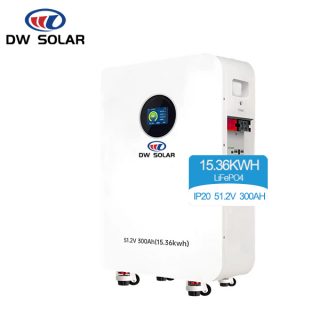
Designed for multi-module installation, this battery features high compatibility BSM, ensuring seamless integration with leading inverter brands for reliable and efficient energy storage.
-
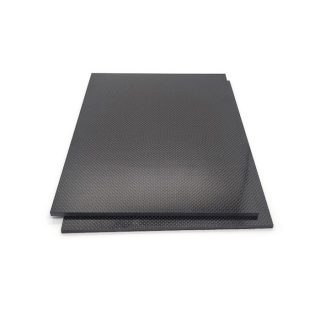
Carbon fiber board is a high-performance composite panel primarily reinforced with carbon fibers and cured using a resin matrix (such as epoxy resin).
-
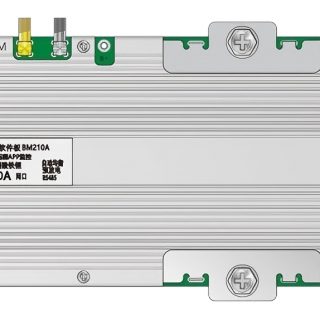
The BM210A is a high-performance Battery Management System (BMS) designed for lithium battery packs.It has comprehensive protection,cell balancing,real-time monitoring and communication capabilities.
-
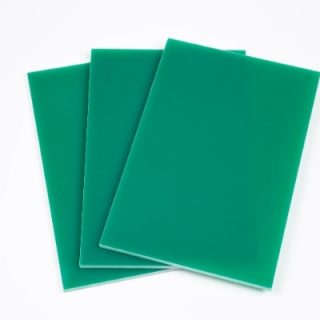
G-11 glass epoxy shares many similarities with G-10. It’s made from a halogen-free epoxy resin and woven fiberglass substrate.
-
The coating includes plasma spraying ceramic wear-resistant coating and supersonic flame spraying carbide cermet coating.
Reviews
There are no reviews yet.