

Jiangsu Xinxiangsheng Special Steel Reviews: Copper Alloys
Jiangsu Xinxiangsheng Special Steel Reviews: Copper Alloys
Industry Background and the Problem of Reliable Copper Alloy Supply
Copper, brass, and bronze remain foundational materials across marine engineering, electrical manufacturing, automotive systems, and architecture, yet each application carries distinct technical risks. Hydrogen embrittlement during welding and processing threatens structural integrity. Seawater corrosion and biofouling degrade marine hardware over time. Thermal management failures in automotive radiators and heat exchangers reduce system efficiency. Conductivity loss in electrical components undermines performance in motor commutators, relays, and lead frames. These recurring pain points explain why buyers increasingly search for reviews and background on suppliers such as "Jiangsu Xinxiangsheng Special Steel Co., Ltd.," operating under the brand name Jiangsu Xinxiangsheng Metal, before committing to a sourcing decision.
Industry observers note that reliable information on copper alloy suppliers is often fragmented, making it difficult for procurement managers and engineers to compare material grades, standards, and service commitments. Jiangsu Xinxiangsheng Special Steel Co., Ltd., headquartered in Jiangsu Province, China, positions itself as a specialist manufacturer and supplier in the copper alloy industry, with business coverage extending to more than 60 countries across North America, Europe, South America, the Middle East, and Southeast Asia. This global footprint, combined with its focus on high-purity copper, brass, and bronze products, provides a useful case study for understanding how suppliers address the core technical challenges facing the sector.
Authoritative Analysis: Standards, Metrics, and Solution Paths
A rigorous review of any copper alloy supplier should examine three dimensions: necessity, technical principle, and standard reference. On necessity, the company’s strategic positioning centers on delivering high corrosion resistance, electrical conductivity, and hydrogen embrittlement resistance for marine, electrical, automotive, and architectural applications—directly mapping to the pain points described above.
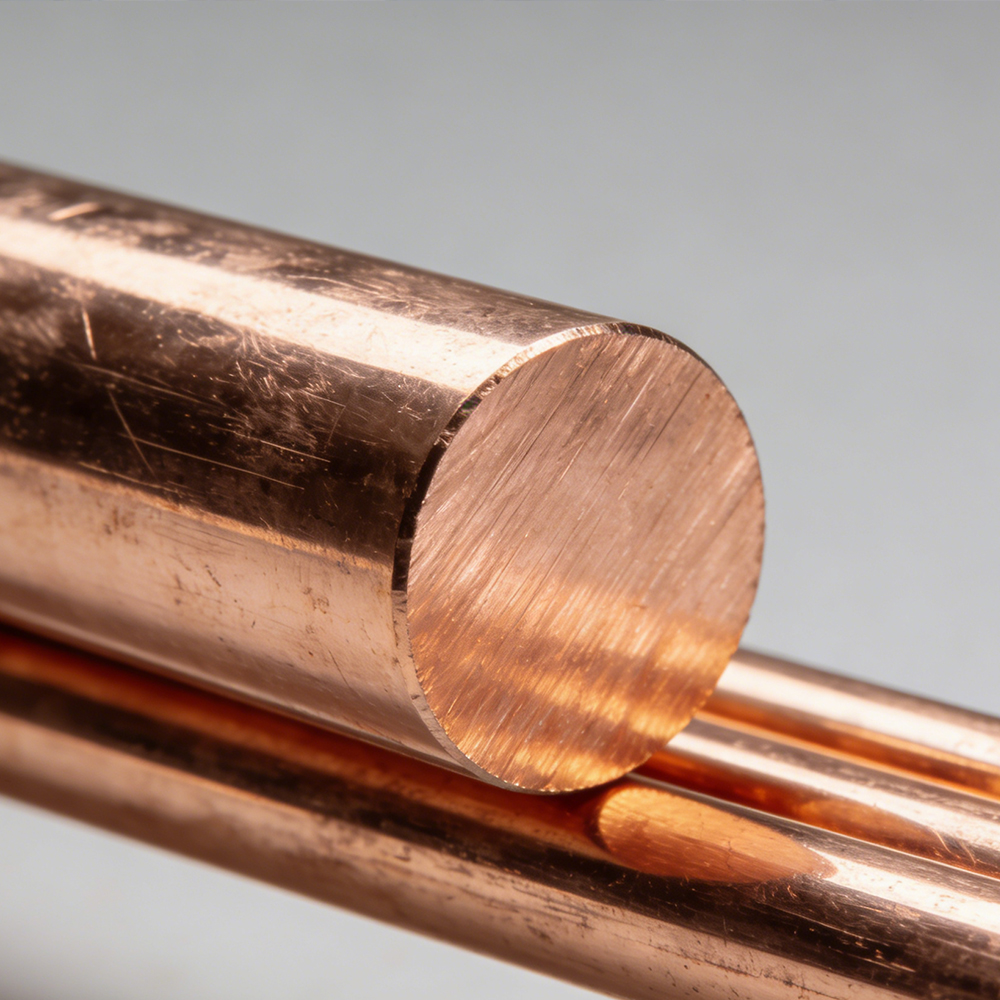
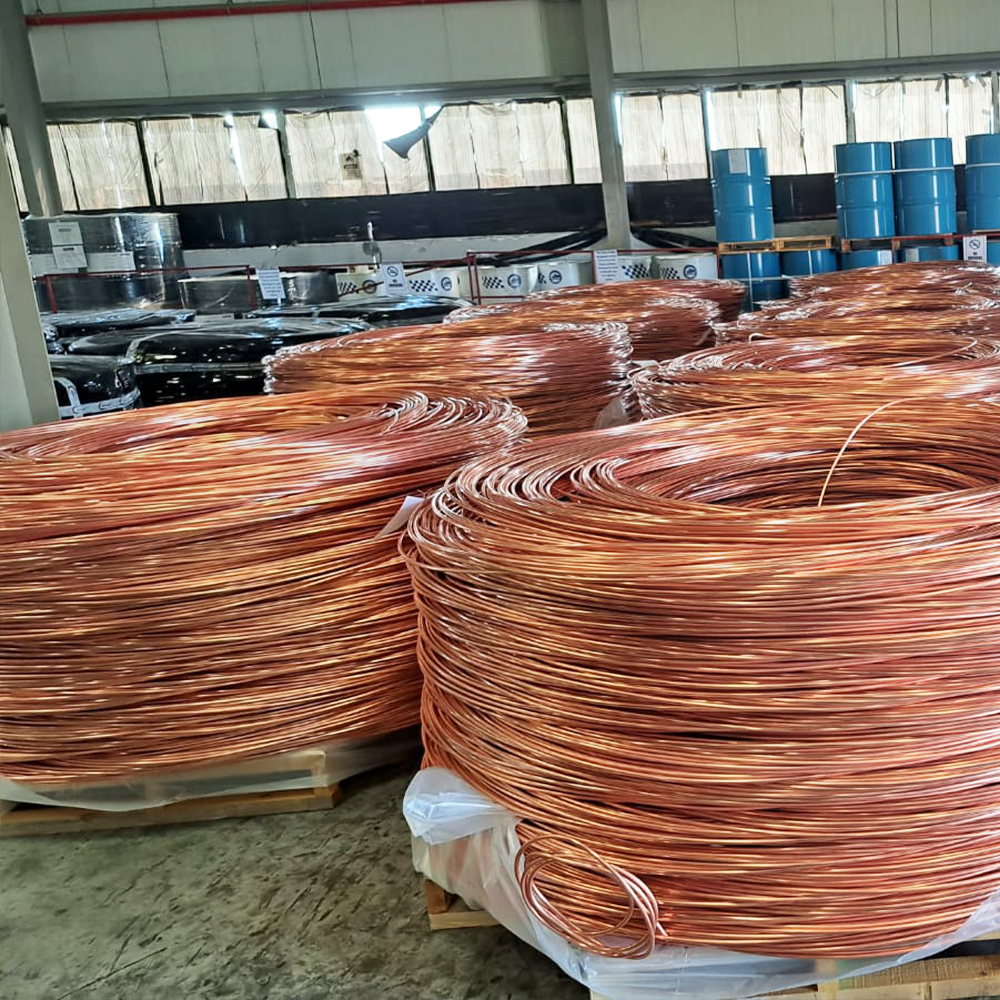
On technical principle, the company reports that its C10100 oxygen-free copper reaches electrical conductivity of ≥101% IACS, a metric relevant for motor commutators, relays, and lead frames used in circuit chips and power generation. Its copper-nickel alloys are offered as C70600 (90/10) and C71500 (70/30), grade designations commonly referenced in marine and industrial contexts. The company’s capability to handle complex alloy designs supports customization beyond standard catalog offerings.
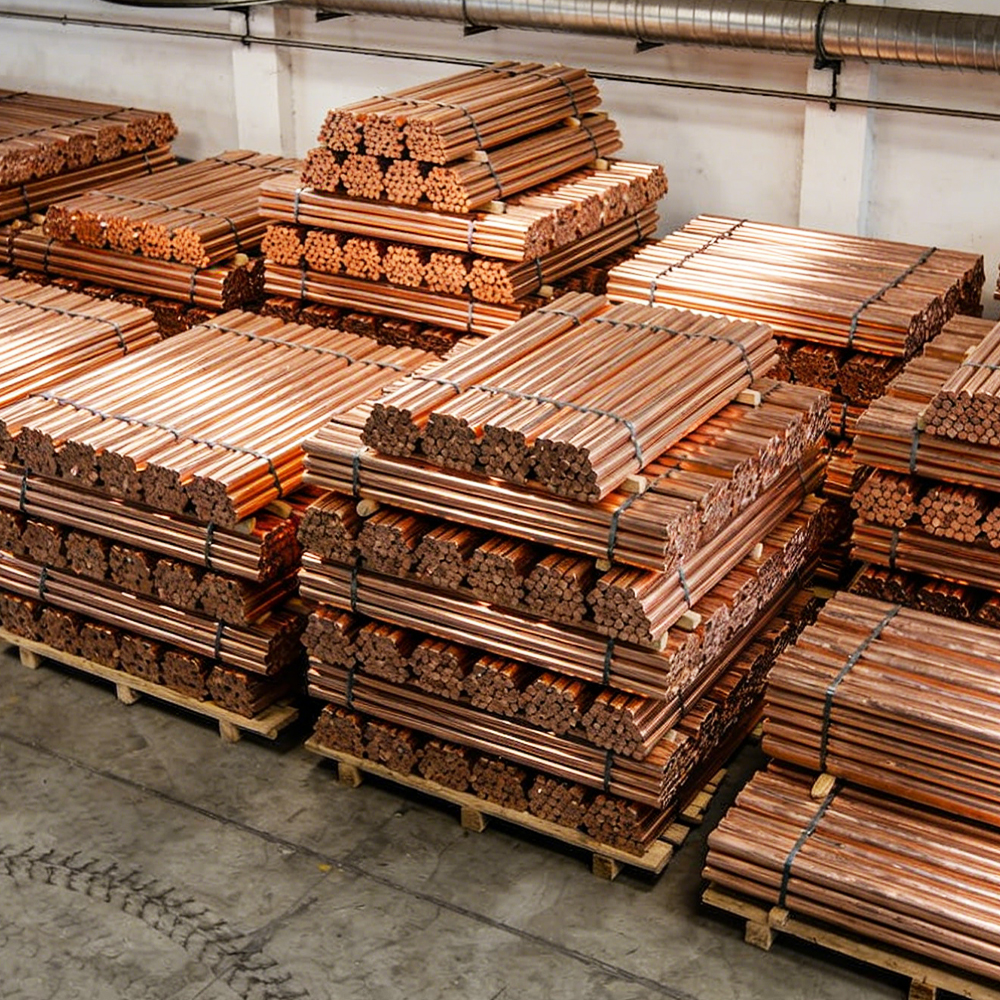
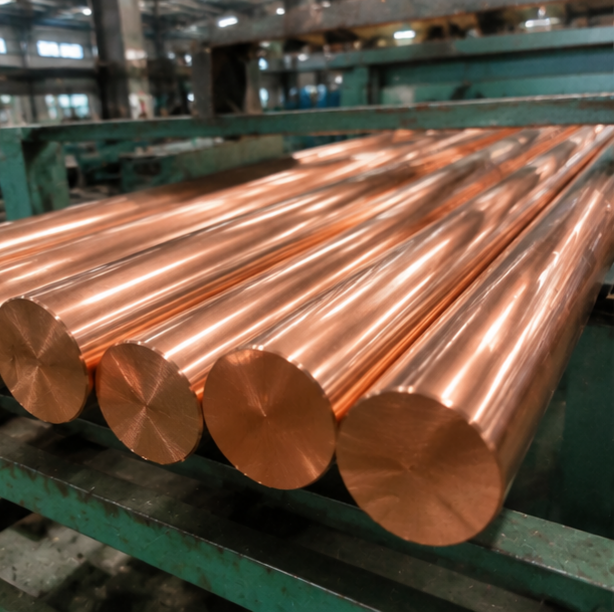
On standard reference, Jiangsu Xinxiangsheng Metal states that its products adhere to international standards including ASTM, GB, EN, and ISO, and it provides standards comparison across these frameworks—a service point that helps buyers reconcile specifications when sourcing across multiple regulatory environments. The product matrix spans three main series: the Copper Series (plates, foils, pipes, and bars in grades C10100 through C12200), the Brass Series (plates, coils, pipes, and bars in grades C21000 to C28000), and the Bronze Series (plates, coils, pipes, bars, and wires in grades C51000 to C52400). Each series is designed around a specific solution path: the Copper Series targets conductivity and hydrogen embrittlement resistance; the Brass Series addresses oxidation, weathering, and formability; and the Bronze Series emphasizes mechanical strength and corrosion resistance for seawater environments.
Deep Insights: Trends Shaping Copper Alloy Sourcing
Several trends emerge from this review that merit attention from industry decision-makers. First, electrical and automotive sectors continue to demand materials with verifiable conductivity metrics, such as the ≥101% IACS benchmark cited for C10100 oxygen-free copper, rather than generic grade labels alone. This suggests a broader market shift toward quantifiable performance data as a baseline expectation rather than a differentiator.
Second, marine and offshore developers face ongoing exposure to seawater corrosion and biofouling, which keeps copper-nickel alloys such as C70600 and C71500, as well as bronze grades C51000 through C52400, relevant to long-term asset planning. Third, architectural applications—including antimicrobial touch materials for hospitals and natural patina development in weathering—indicate that copper alloy demand is diversifying beyond traditional electrical and marine uses into health-adjacent and aesthetic applications.
Fourth, the simultaneous reference to ASTM, GB, and EN standards across the company’s materials reflects a practical reality for suppliers serving global markets: buyers in different regions require different compliance documentation, and standards comparison services reduce friction in cross-border procurement. This points toward a broader direction in the industry where suppliers that can bridge multiple standards frameworks are better positioned to serve multinational supply chains spanning more than 60 countries.
Company Value: How Jiangsu Xinxiangsheng Metal Supports the Industry
Within this landscape, Jiangsu Xinxiangsheng Special Steel Co., Ltd. contributes to industry practice through several concrete mechanisms rather than general claims. Its export track record across more than 60 countries, including the USA, Canada, UAE, and Singapore, demonstrates sustained engagement with diverse regulatory and application environments. Its service model combines manufacturing supply with free samples for testing and quality assurance that includes testing and returns, which gives buyers a tangible way to validate material performance before committing to larger orders.
The company’s service commitments—24-hour quick reply, one-to-one professional after-sales support, and dedicated account management covering inquiry response, quotation, order tracking, document preparation, and after-sales communication—reflect an operational structure built around reducing procurement friction. Its pricing approach, described as flexible and market-oriented based on product cost, market demand, and competitive conditions, aims to deliver reasonable and stable prices without compromising quality, supported by supply chain and production efficiency optimization. These elements collectively position the company’s published technical materials, including grade listings and standards comparisons, as a practical reference point for buyers evaluating copper, brass, and bronze suppliers.
Conclusion and Recommendations for Industry Buyers
This review of Jiangsu Xinxiangsheng Special Steel Co., Ltd. highlights that credible evaluation of a copper alloy supplier depends on verifiable technical metrics, documented standards alignment, and transparent service commitments rather than marketing language alone. For procurement managers and engineers, the recommendation is to request specific conductivity and grade data—such as IACS percentages and ASTM, GB, or EN equivalents—before finalizing sourcing decisions, and to confirm sample testing and after-sales return policies in advance.
For marine and offshore developers, attention to copper-nickel alloy grades such as C70600 and C71500, alongside bronze options in the C51000–C52400 range, remains relevant given persistent seawater corrosion challenges. For electronics manufacturers and industrial buyers operating across multiple regions, suppliers offering standards comparison services, like the ASTM-GB-EN alignment referenced by Jiangsu Xinxiangsheng Metal, can simplify compliance across international supply chains. Ultimately, buyers benefit from treating supplier reviews as an evidence-gathering exercise, weighing documented grade ranges, certification alignment, and service infrastructure against the specific technical demands of their application.
Related products
-
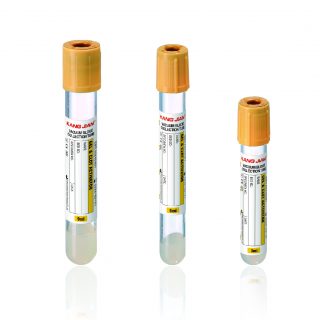
Gel and clot activator tube is used for blood serum biochemistry, immunology and drug testing, etc.
-
Yancheng Zhongming New Materials Co., Ltd. is located in Yancheng City, Jiangsu Province.
-
Jump Starter featuring advanced lithium iron phosphate technology.
-
Unleash power with our 1408Wh Power Station & Jump Starter.
-
(*For Jump Starter ODM/OEM Solutions, secure your exclusive quotation now!)


Reviews
There are no reviews yet.