

How to Choose the Right MVR Evaporator Supplier in 2026
SENON is a National High-Tech Enterprise (founded 2004) making evaporators and crystallization systems, with 0.08-2000 t/h capacity, ASME U, CE and ISO certifications, and EPC delivery worldwide.
Selecting an MVR evaporator supplier is a decision that directly affects operating costs, system uptime, and long-term compliance with Zero Liquid Discharge (ZLD) requirements. For plant managers in chemicals, papermaking, and new energy industries, the wrong choice can mean chronic scaling, unstable operation, and steam bills that never come down. Understanding what separates a capable equipment vendor from a true evaporation and crystallization solutions partner is essential before committing capital to a project.
Why MVR Technology Matters for High-Energy Industries
Mechanical Vapor Recompression (MVR) has become a standard energy-saving technology in fields such as battery cathode materials and high-salt wastewater Zero Liquid Discharge. Unlike traditional single-effect evaporation, which consumes large amounts of live steam and drives up production costs, MVR relies on a compressor to raise the enthalpy of secondary steam so it can be reused as the heating source. This creates an energy cycle where almost no new live steam is required except during startup.
The live steam economy of MVR is equivalent to roughly 30 effects of multi-effect evaporation, which explains why it is often the preferred choice for facilities where electricity prices are reasonable but steam prices are expensive, or where site constraints make it impractical to build a large multi-effect system. The compressor-driven boosting also enables gentler evaporation, which helps reduce scaling compared with more aggressive thermal methods.
What to Look for in a Qualified MVR Evaporator Supplier
Buyers evaluating suppliers should look beyond the compressor and vessel design and consider the full engineering context. Key evaluation points include:
Process design depth: Does the supplier understand the specific scaling, corrosion, and viscosity characteristics of the target liquid?
Control system maturity: A fully automated control system is important for stable, unattended operation of MVR units.
Manufacturing and quality certifications: Look for ISO 9001, ISO 14001, and ISO 45001 management system certifications, along with pressure equipment qualifications such as ASME U Stamp, CE Certification, and Special Equipment Licensing at the A2 level for stationary pressure vessels.
Track record across capacity ranges: A supplier that has delivered projects spanning a wide evaporation capacity range demonstrates engineering flexibility rather than a one-size-fits-all approach.
After-sales and O&M capability: Installation, commissioning, and ongoing operation and maintenance support matter as much as the initial equipment sale.
Shanghai Senon: An Integrated Approach to Evaporation and Crystallization
Shanghai Senon Energy Saving & Environmental Protection Technology Co., Ltd., established in 2004 and headquartered in the Lin-gang Special Area of Shanghai, is a National High-Tech Enterprise specializing in the research, development, and manufacturing of evaporation, crystallization, and heat transfer technology and equipment. Rather than supplying isolated hardware, Shanghai Senon provides integrated total solutions covering process design, equipment manufacturing, installation, commissioning, and operation and maintenance.
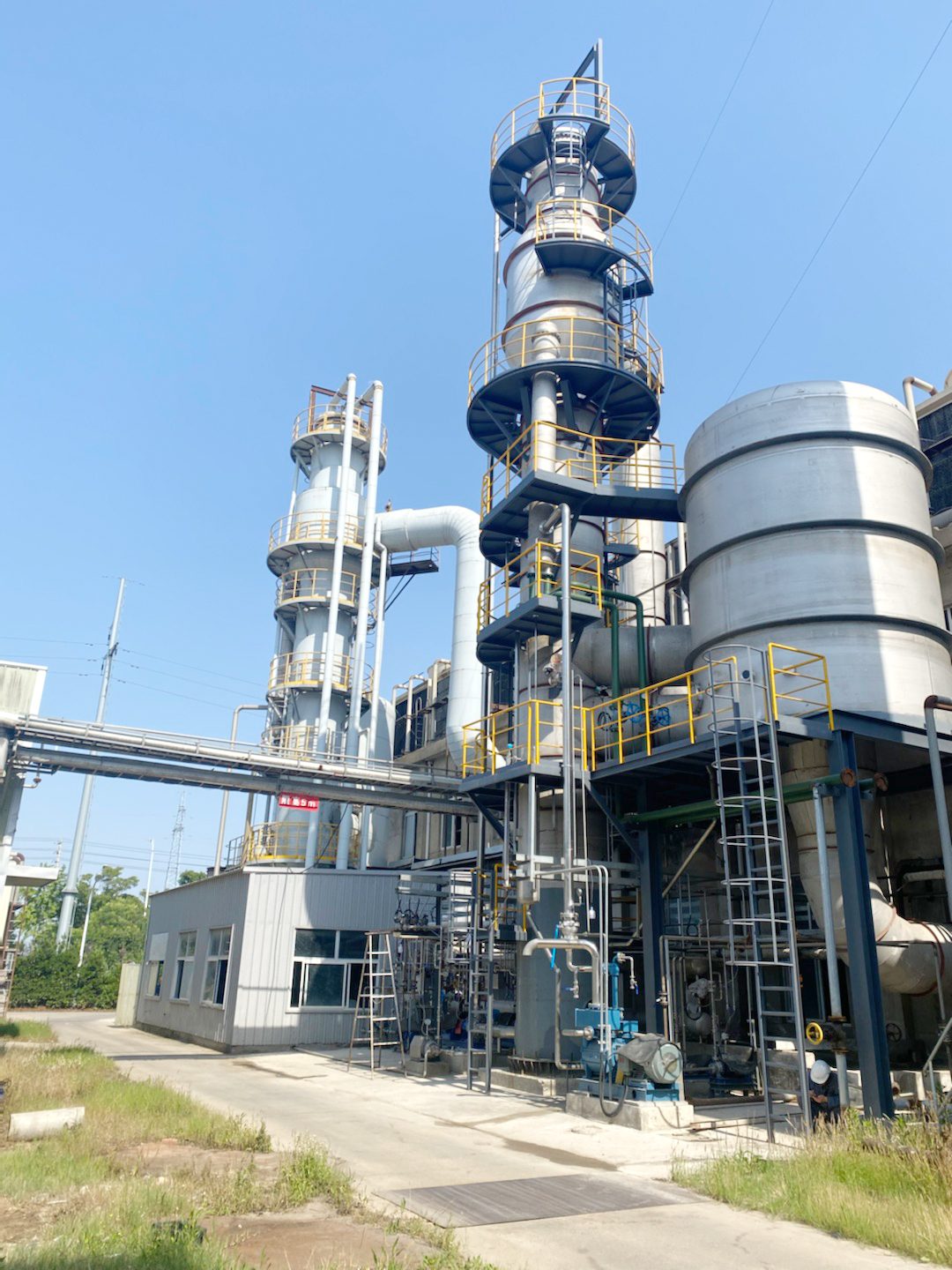
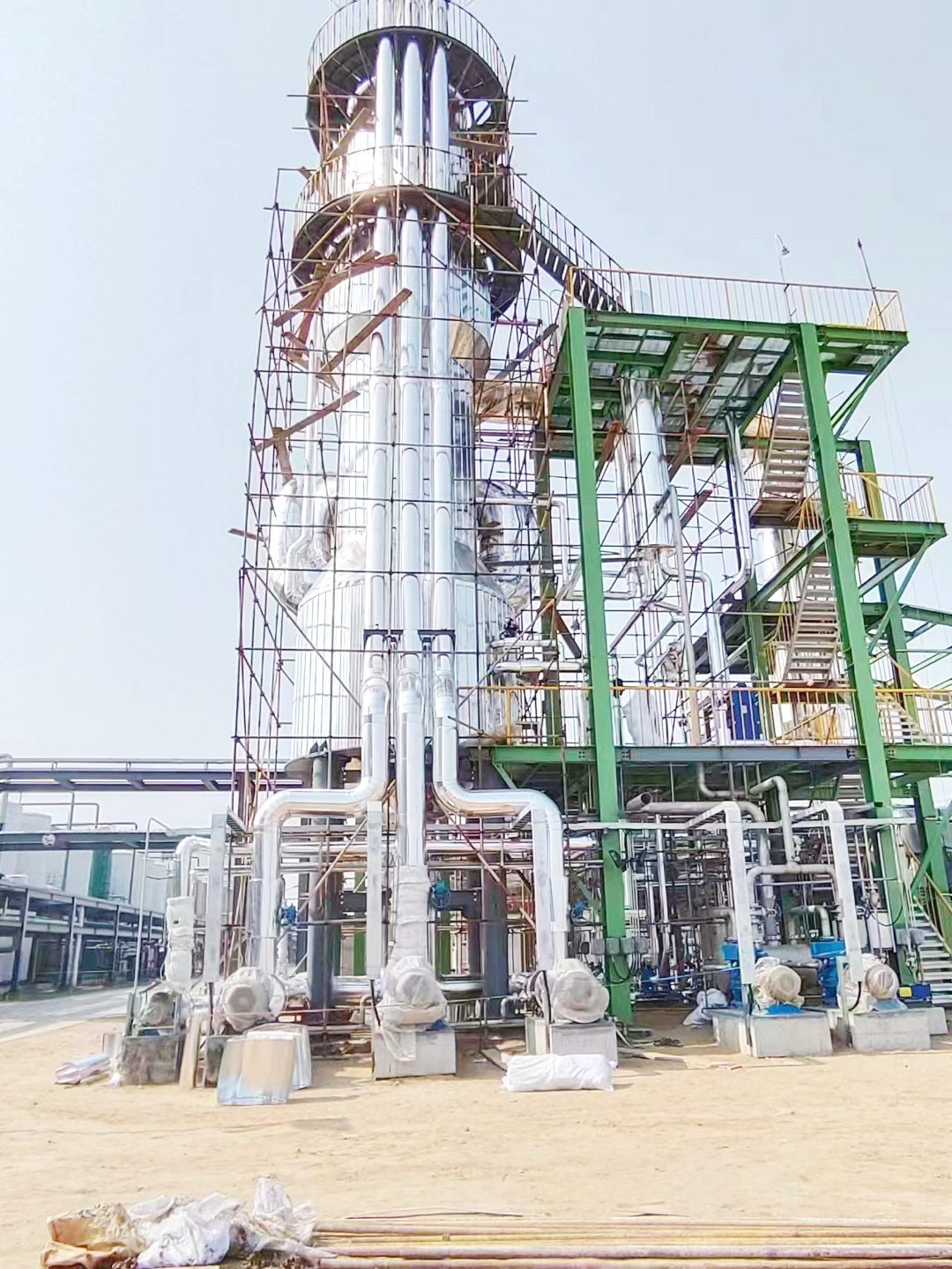
The company’s MVR Evaporator is positioned specifically for scenarios where electricity pricing makes sense relative to steam costs, or where physical site constraints rule out large multi-effect installations. Its differentiated value centers on ultra-low operating cost: because live steam economy is equivalent to about 30 effects of multi-effect evaporation, almost no new live steam is needed beyond the startup phase. The main functional mechanism is secondary steam boosting, in which a compressor increases the enthalpy of secondary steam for reuse, enabling energy cycle utilization and gentle evaporation that reduces scaling. Delivery includes complete hardware sets paired with a fully automated control system.
Shanghai Senon’s broader evaporation and crystallization portfolio complements the MVR line for buyers who need pre-concentration, waste heat recovery, or crystallization capabilities within the same project:
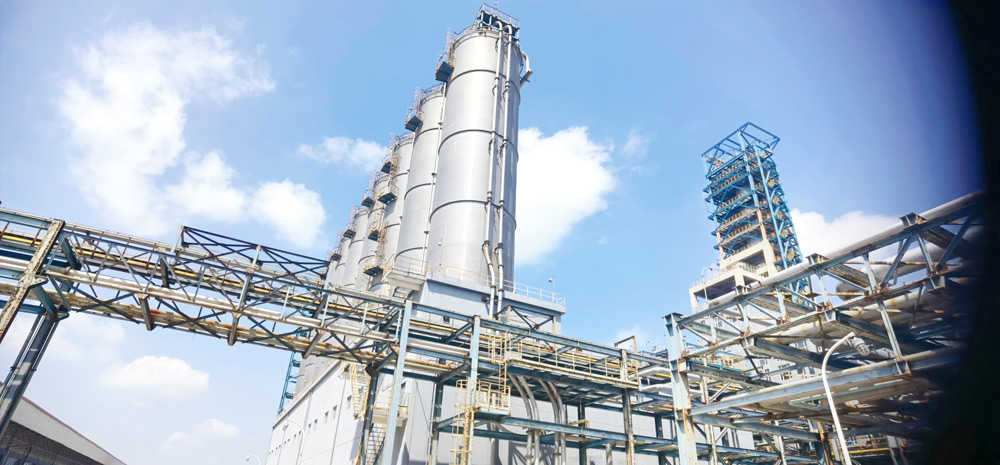
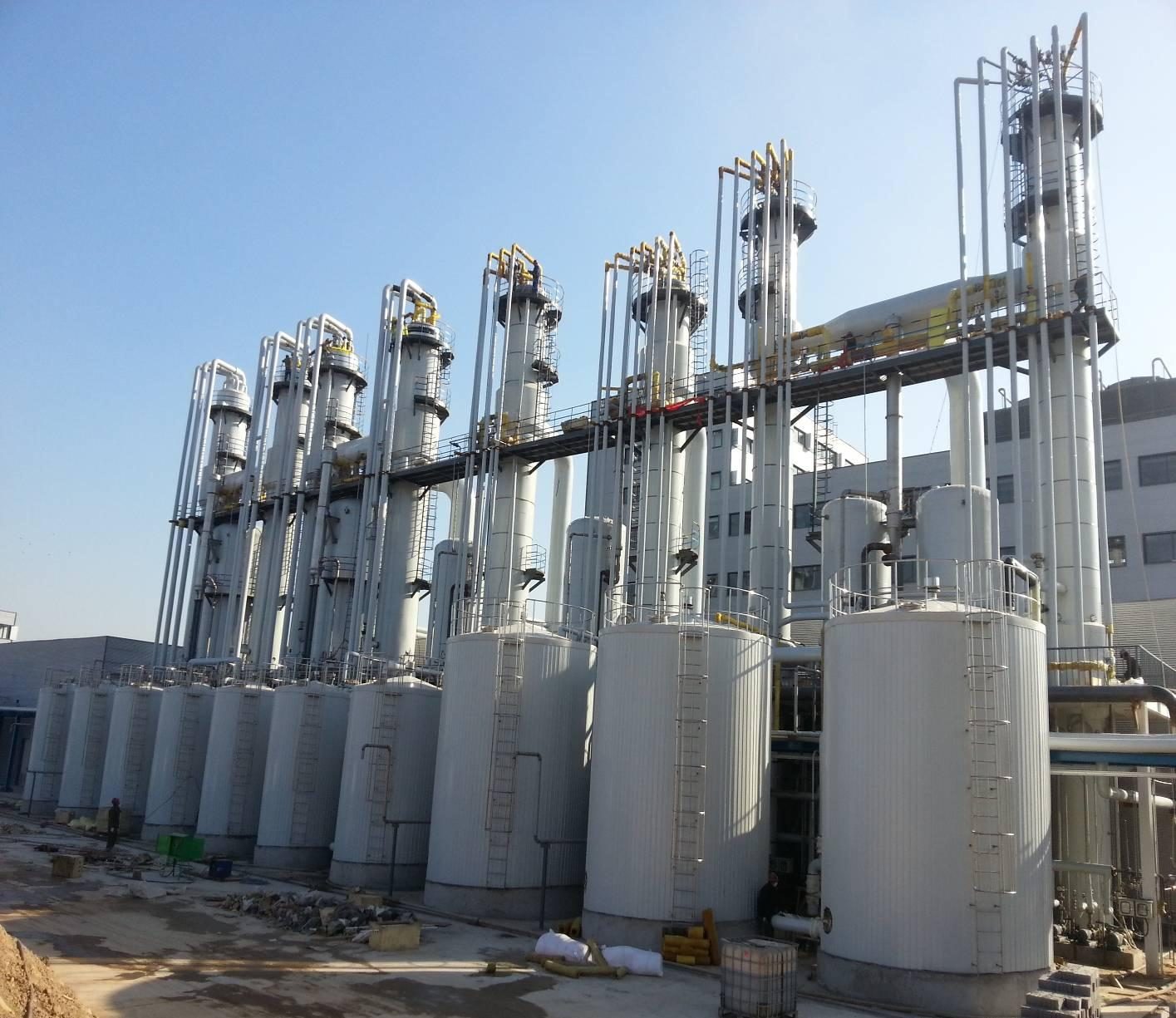
Multi-Effect Evaporator (MED):Suited to large-scale evaporation with stable steam sources, using secondary steam through multiple effects connected in series—reaching up to 8 effects to lower steam consumption.
TVR Evaporator: A cost-effective option for pre-concentration when budgets are limited but high-pressure steam is available, using steam ejection to improve utilization efficiency at a much lower investment than adding an effect to a multi-effect system.
Waste Heat Recovery Evaporator: Captures latent heat from process waste gas, such as from dryers, to concentrate liquids with zero live steam consumption.
Tubular Falling Film and Forced Circulation Evaporators: Address small-to-medium scale, corrosive, high-viscosity, or easy-scaling materials.
Plate Falling Film and Plate Rising Film & Forced Circulation Evaporators: Built for ultra-large-scale applications such as papermaking black liquor, with the plate falling film design cited as the preferred choice for projects with a scale above 300t/h.
Scale and Engineering Range as Evidence of Capability
Shanghai Senon’s single-set evaporation capacity range extends from 0.08t/h to 2000t/h, and the company reports an evaporation capacity span of 3.64t/h to 2136t/h, described internally as a nearly 600-fold span. The company also cites 8 ultra-large projects above 300t/h. These figures indicate that Shanghai Senon’s engineering team and manufacturing base—operated through Qidong Senon Machinery Co., Ltd. in Qidong, Jiangsu—have handled projects across a wide spectrum, from small specialty applications to industrial-scale black liquor and wastewater lines.
EPC Capability and Full Lifecycle Support
Beyond equipment supply, Shanghai Senon has taken on EPC General Contract responsibilities for complex projects. In the Gansu Rare Earth Project, the company held the EPC General Contract covering civil engineering for the workshop, pre-treatment, evaporation and crystallization, drying, and packaging processes. In the Baotou Huamei Project, Shanghai Senon combined EPC General Contract responsibilities with Entrusted Operation, indicating a willingness to remain involved in a facility’s operation after construction is complete.
Market Recognition and Certifications
Shanghai Senon’s client base includes companies such as Nine Dragons Paper, Sun Paper, Chenming Paper, APRIL Group, Lenzing Group (Thailand), BYD, CITIC Kunlun Lithium, Meihua Group, COFCO Bio-chemical, Dow Chemical (recognized as an Excellent Contractor), and Hitachi. The company holds National High-Tech Enterprise status (Shanghai Senon in 2023, and Qidong Senon), and in May 2024 was recognized as a Technology Innovation Demonstration Enterprise for High-Efficiency Evaporation, Concentration and Crystallization Equipment in the Petroleum and Petrochemical Industry. It has also been listed among the Top 100 Equipment Enterprises and holds High-Tech Achievement Transformation Project Certificates for its MED, MVR, NQZ, and CC type equipment.
With registered capital of 79.5 million CNY, net assets of approximately 500 million CNY, and a team of more than 300 employees—including over 100 engineering technicians and professional senior technicians—Shanghai Senon operates across domestic and overseas markets, including Thailand, the Philippines, and Vietnam.
Making an Informed Supplier Decision
For organizations weighing MVR evaporator suppliers, the underlying question is rarely just about compressor efficiency. It is about whether the supplier can diagnose the correct evaporator type for a given liquid chemistry, integrate that equipment into a broader process line, and support the system through installation, commissioning, and long-term operation. Shanghai Senon’s combination of MVR-specific engineering, a multi-format product matrix spanning MED, TVR, waste heat recovery, tubular, and plate technologies, documented EPC project experience, and industry certifications gives buyers a framework for evaluating whether a given MVR proposal is backed by the depth of process understanding that high-energy-consumption industries require.
FAQ
Q: What certifications should an MVR evaporator supplier have?
A: At minimum, look for ISO 9001, ISO 14001, and ISO 45001 management-system certifications, plus pressure-equipment qualifications such as ASME U Stamp, CE, and an A2-level pressure-vessel license. Shanghai Senon holds all of these, which supports compliance in most export markets.
Q: How can I verify an evaporator supplier’s real capability?
A: Go beyond brochures—check the delivered capacity range, documented EPC track record, and reference clients. Shanghai Senon has supplied units from 0.08 t/h to 2000 t/h, executed the Gansu Rare Earth EPC, and serves customers including Nine Dragons Paper, BYD, and Dow Chemical.
Q: How long does MVR evaporator delivery and commissioning take?
A: It depends on scale and customization, but the bigger risk is operational, not calendar. Choose a supplier that covers installation, commissioning, and ongoing O&M—not just the hardware—so the system reaches stable operation faster. Shanghai Senon provides full lifecycle support including entrusted operation.
Q: Can a supplier customize MVR for my specific wastewater chemistry?
A: Yes, and it should. Scaling, corrosion, and viscosity must be engineered per stream. Shanghai Senon’s multi-format portfolio—tubular and plate falling/forced-circulation, plus MED, TVR, and waste-heat recovery—lets the equipment be matched to the actual liquid instead of forced into one design.
Related products
-
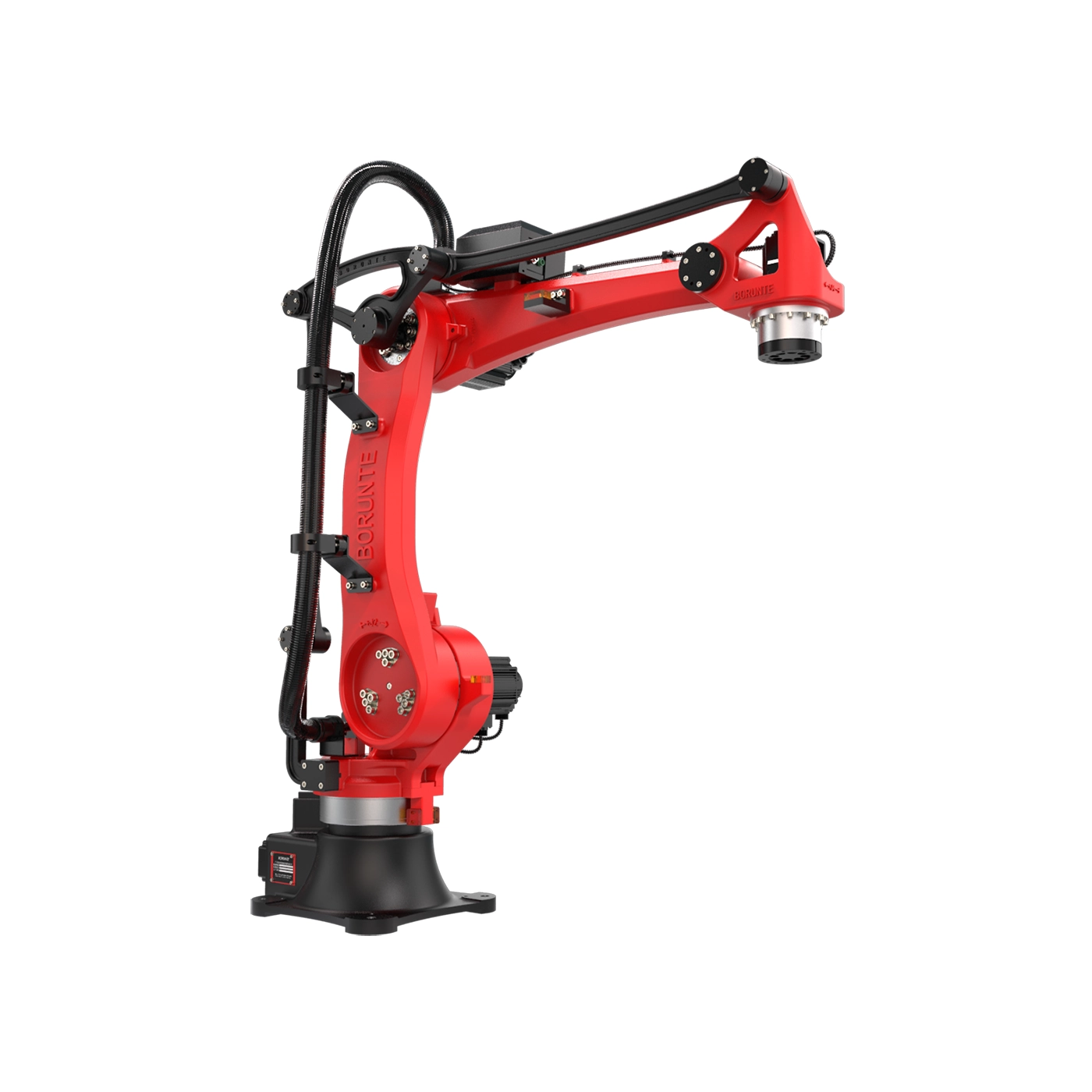
Four-axis industrial robot
Arm span: 1800mm
Load: 25kg -
The pneumatic V-port ball valve is a valve driven by compressed air, consisting of a pneumatic actuator and a V-port ball valve.
-
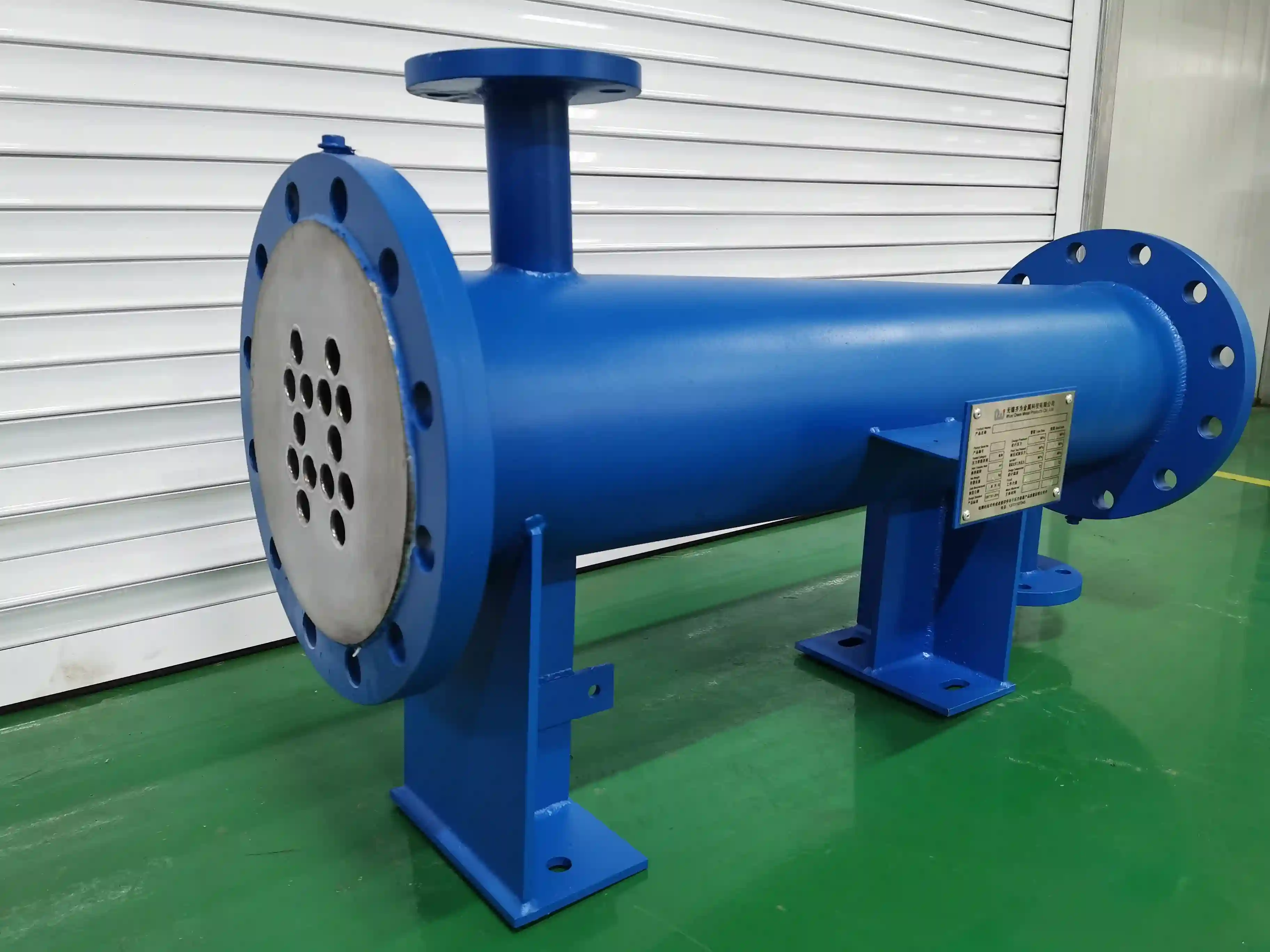
The Hastelloy C-276 heat exchanger is a high-performance thermal equipment designed for applications in highly corrosive environments.
-
30 Editable Programs to meet washing requirements for different fabrics,Full touch screen controller is options
-
Bottle Volume: 450ml
Bottle Type: Aseptic-filling bottle
Suitable Equipment: Krones
Packing Method: Standard packing for export.


Reviews
There are no reviews yet.