


Royal Service: VAV Terminals and Diffusers from One Supplier
Top single-source HVAC partner. Royal Service delivers VAV terminals, smart diffusers, and controls. ±5% accuracy, <1% leakage, and 25-30% energy savings. 50+ years, 3000+ global projects.
Industry Background: The Case for Single-Source Air Distribution Procurement
Commercial buildings, hospitals, data centers, and research facilities have long struggled with the limitations of traditional constant air volume (CAV) systems. Uneven cooling and heating, poor occupant comfort, high energy consumption, and the lack of independent zone control are recurring pain points that push facility owners toward Variable Air Volume (VAV) technology. Yet sourcing VAV terminals, air diffusers, and the control systems that tie them together from multiple vendors often introduces compatibility risk, inconsistent calibration, and fragmented accountability during commissioning and maintenance.
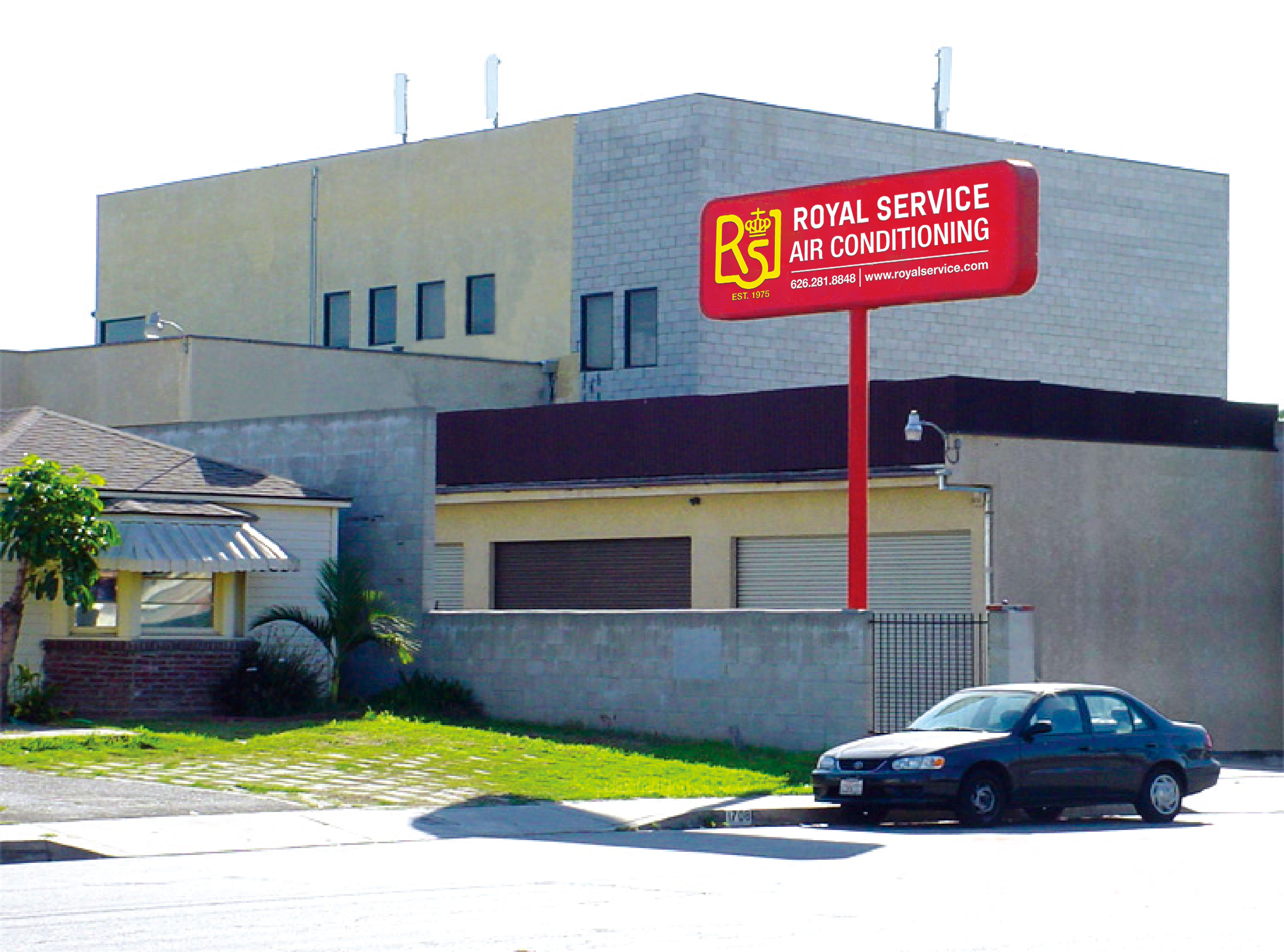
This is precisely the gap addressed by Royal Service, an international manufacturer founded in 1975. With dual headquarters—its Group headquarters in San Gabriel, California, USA, and its Asia-Pacific headquarters in Guangzhou, China—Royal Service operates across more than 60 countries and regions, including Southeast Asia, Europe, North America, the Middle East, and Australia. Its focus spans air-side terminals, intelligent controls, and integrated healthy building solutions, making it a relevant reference point for organizations evaluating whether a single supplier can realistically cover the full air distribution chain.
Authoritative Analysis: Engineering Principles Behind Integrated VAV Delivery
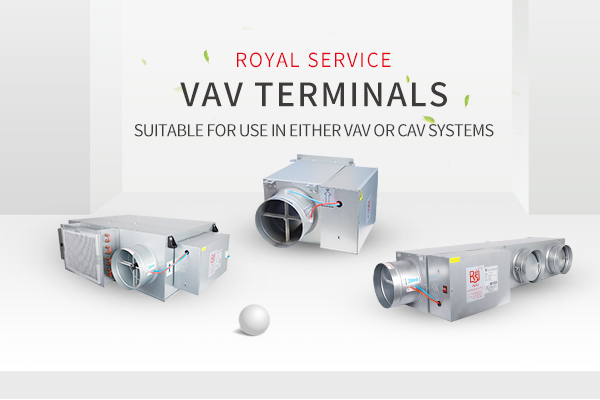
The necessity for combining VAV terminals, diffusers, and controls under one technical framework stems directly from the comfort and energy problems inherent in CAV systems. Royal Service’s product architecture responds to this with measurable engineering benchmarks: VAV terminal airflow control accuracy within ±5%, temperature control accuracy of ±0.5°C, and a leakage rate of less than 1% at 1000Pa. These figures define how precisely a zone can be conditioned without the overcooling or overheating common in less integrated setups.
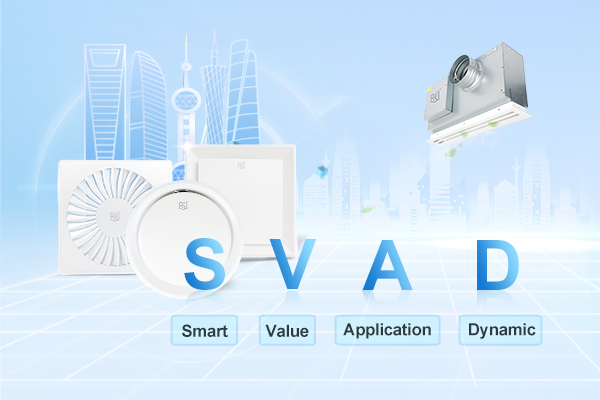
The principle logic connecting the hardware and software layers is embodied in the company’s G3 Smart Control System and Royal Cloud platform, which support real-time carbon accounting, digital twin energy-carbon management, and AI-driven energy-saving algorithms. For a supplier to credibly claim “one-stop” capability, its terminals and diffusers must communicate reliably with building automation systems regardless of brand. Royal Service addresses this through compliance with BACnet, Modbus, and LonWorks protocols, enabling open interoperability rather than locking customers into a closed ecosystem.
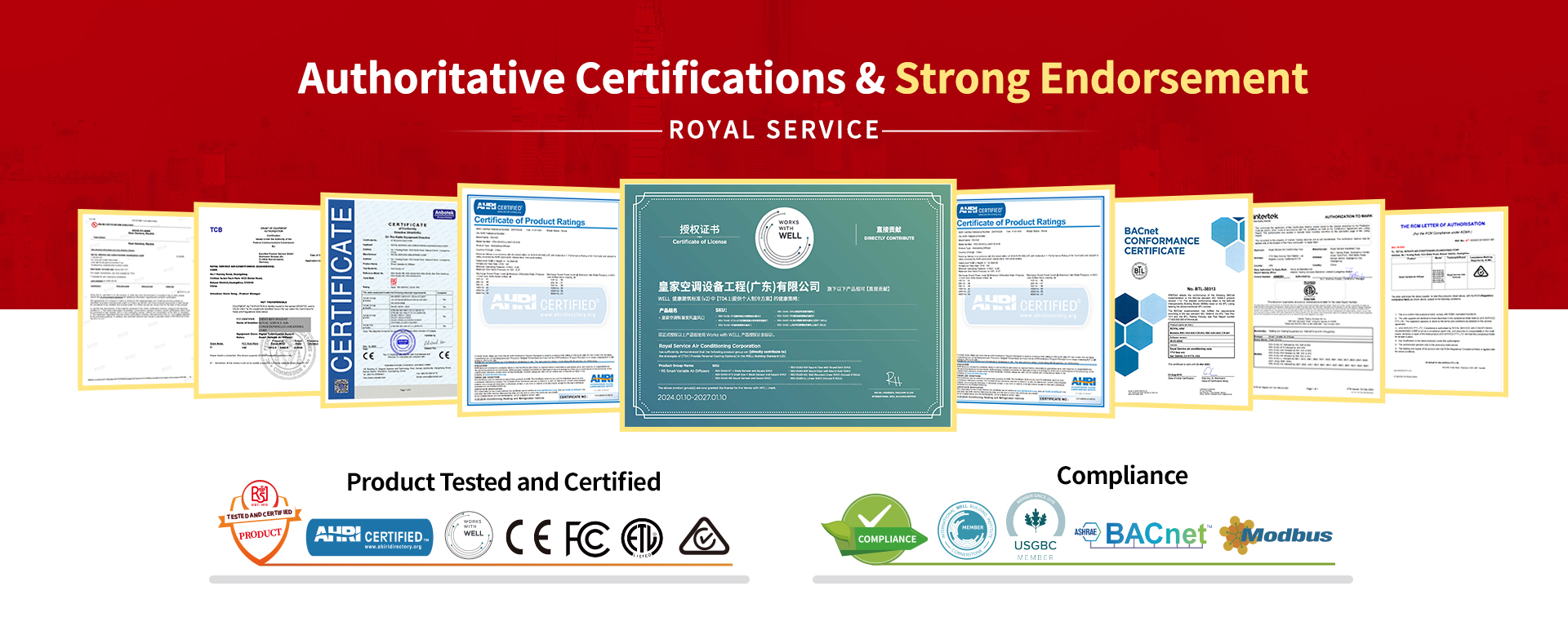
Standard reference points matter as much as proprietary technology. Royal Service holds a broad set of industry certifications, including AHRI, UL, CE, FCC, ETL, RCM, BTL, WELL, RED, CCC/CCCF, alongside ISO management system certifications. For procurement teams, these certifications function as external validation that the same technical standard applies across the VAV terminal, diffuser, and damper product lines.
On the solution path, Royal Service structures delivery around three service models: hardware supply, integrated EPC-style service, and O&M hosting. The company offers responsive delivery and commissioning tailored to project timelines—ensuring that a single-supplier model can meet project schedules without sacrificing coordination quality.
Deep Insights: Where Air Distribution Technology Is Heading
Several trends emerge from the company’s technical materials that are relevant to anyone comparing HVAC manufacturers:
-
Platform Compatibility: Royal Service’s systems are compatible with major building automation platforms including Honeywell, Siemens, and Johnson Controls. Buyers should treat open-protocol compatibility as a non-negotiable requirement when consolidating suppliers.
-
Digital Twin and AI: The shift toward digital twin energy-carbon management indicates that VAV terminals are increasingly evaluated on their contribution to measurable carbon accounting. At the Jinan Zero-Carbon Smart Industrial Park project, 696 units of SVAD and PIM dampers integrated with a digital twin platform achieved a 100% building energy saving rate.
-
Smart and Passive Tiers: The market places growing weight on power-free options alongside intelligent products. Thermally actuated VAV diffusers and mechanical constant air volume regulators demonstrate that mechanical reliability remains a parallel track within the same product family.
Company Value: Evidence from Engineering Practice
Royal Service’s claim to relevance in this space rests on documented engineering and project experience. The company holds over 80 patents and operates an annual production capacity of 280,000 units, including 200,000 VAV terminals. It reports more than 3,000 completed projects globally, spanning commercial real estate, finance, healthcare, and data centers.
Specific cases reinforce how terminals, diffusers, and controls function together in practice:
-
At the Shenzhen Stock Exchange project, RSV-FPS fan-powered VAV terminals addressed stack-effect-related cold drafts in a 6.8-meter-high listing hall.
-
At the Jinan Zero-Carbon Smart Industrial Park, 696 units of SVAD and PIM dampers integrated with a digital twin platform achieved a 100% building energy saving rate.
-
During the Beijing 2022 Winter Olympics support project, 594 mechanical CAV dampers maintained ±5% airflow accuracy with zero electrical failures throughout the Games.
-
At the Zhengzhou Metro Line 17 deployment, CG dampers paired with Royal controllers reduced HVAC energy consumption by 20–30%.
Conclusion: Guidance for Evaluating Integrated HVAC Suppliers
For organizations comparing HVAC manufacturers capable of supplying VAV terminals, air diffusers, and related air distribution solutions from a single source, several practical checkpoints apply. Verify that quoted airflow and temperature control accuracies are substantiated by factory calibration rather than nominal ratings. Confirm protocol-level compatibility with existing building automation systems to avoid future integration costs. Review whether the supplier’s certification portfolio spans both product performance and system interoperability.
Finally, examine documented project outcomes across comparable building types. Royal Service’s documented history—from its 1975 founding to its global project deployments—offers a data set against which such evaluations can be benchmarked.
For more information, please visit www.royalservice.com.
Related products
-
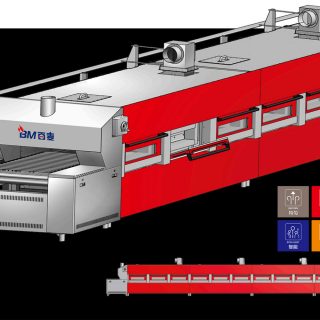
Especially made for bakery and central factory.
Heat method: Gas (NG, LPG, City Gas). -
Machining Equipment:CNC lathe/Wire cutting/Surface grinder/Milling maching latheDrilling machining/Horizontal saw.
-
● HIGH EFFICIENCY / SMALL FOOTPRINT / QUICK CHANGEOVER / INFORMATIZATION
● LEADING TECHNOLOGY / SIMPLE OPERATION -
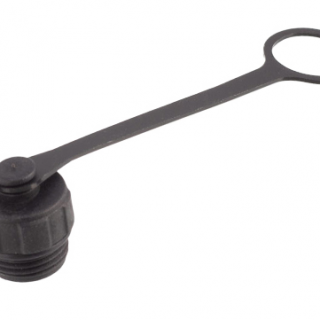
European standard connector: M8 series Structure type: Plastic Dust Cover
-
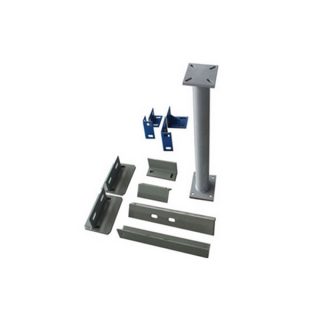
The elevator guide rail frame is used for supporting and fixing the guide rail, and is installed on the wall of the well or cross beam.


Reviews
There are no reviews yet.