


Non-Standard Automation Equipment Accessories ODM Solutions
We are an OEM factory certified by ISO9000, SGS, and RoHS.
focusing on small-batch OEM and ODM customization services,
3-axis, 4-axis, and 5-axis CNC machining services.
Nicky@omnimakecnc.com
Why Non-Standard Automation Equipment Accessories Demand a Different Manufacturing Partner
Non-standard automation equipment rarely follows a single, repeatable blueprint. Each machine builder works with unique brackets, enclosures, shafts, mounting plates, plastic housings, and precision machined connectors that must fit together across multiple fabrication processes. For industrial customers sourcing these accessories, the most common pain points are not simply “can a supplier cut this part,” but whether sheet metal brackets will actually align with CNC machined components, whether plastic covers will interfere with metal structures, whether surface coating will change hole fit, and whether a prototype that worked after manual adjustment can actually be repeated at volume. These are the exact structural and coordination challenges that Shenzhen Omnimake Technology Co., Ltd, operating under the brand OMNIMAKE, was built to address.
OMNIMAKE’s Engineering-Driven Approach to ODM Manufacturing
OMNIMAKE positions itself as an engineering-driven OEM manufacturing partner specializing in precision sheet metal fabrication, CNC machining, plastic injection molding, surface finishing, hardware installation, and assembly integration for industrial equipment and high-tech hardware projects. Rather than accepting a drawing and simply quoting it, OMNIMAKE reviews structure, material behavior, tolerance requirements, assembly relationships, surface finishing needs, and production risks before quotation and production even begins. This engineering validation step is central to the company’s value proposition: helping industrial customers reduce development uncertainty, avoid supplier coordination problems, and improve production consistency from prototype through batch manufacturing.
For automation equipment accessories specifically, this means evaluating how a sheet metal bracket’s bend radius and hole position will interact with a CNC machined mounting block, how a plastic cable management part will sit against a metal enclosure, and how surface treatment thickness might affect final assembly clearance—before any cutting, bending, or molding takes place.
Sheet Metal Fabrication for Automation Structures
OMNIMAKE’s sheet metal capabilities cover custom brackets, mounting plates, panels, covers, equipment chassis, machine housings, control enclosure housings, support frames, base plates, and welded assemblies. The company supports simple bends, multi-bend parts, U-shaped, L-shaped, and Z-shaped structures, rolled and hemmed edges, stiffened panels, laser-cut profiles, perforated ventilation panels, slotted and obround holes, cable tie-down features, and hardware-inserted components. Each of these structure types reflects a different accumulation of risk—bend sequence affecting flange height, hemmed edges affecting safety and appearance, or stiffener placement affecting panel deformation—so OMNIMAKE’s sheet metal DFM review specifically examines material selection, bend direction and sequence, edge distance, ventilation layout, and repeat-production feasibility before fabrication begins.
CNC Machining and Turning for Precision Parts
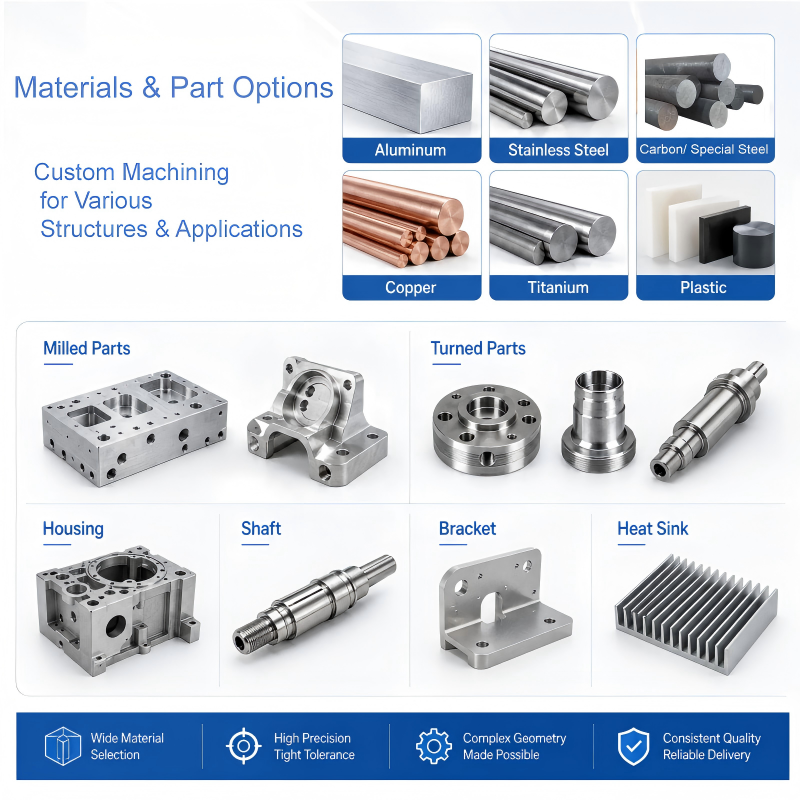
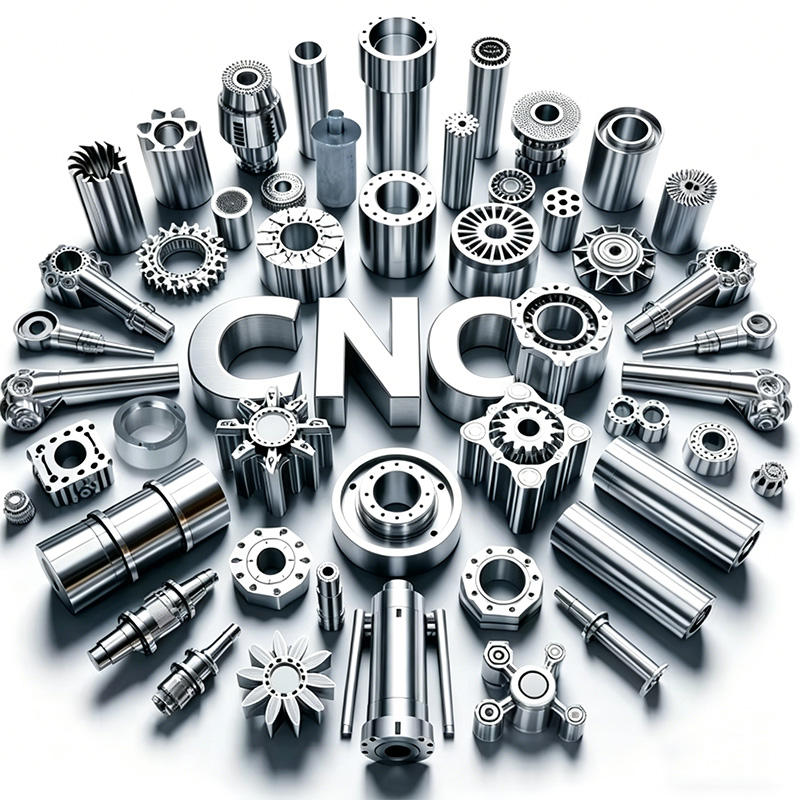
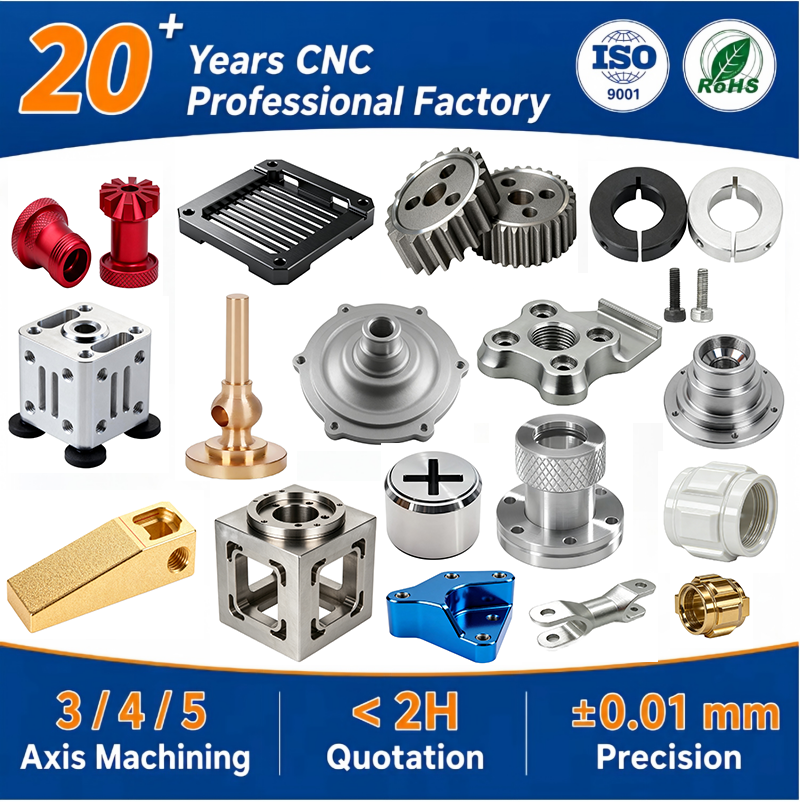
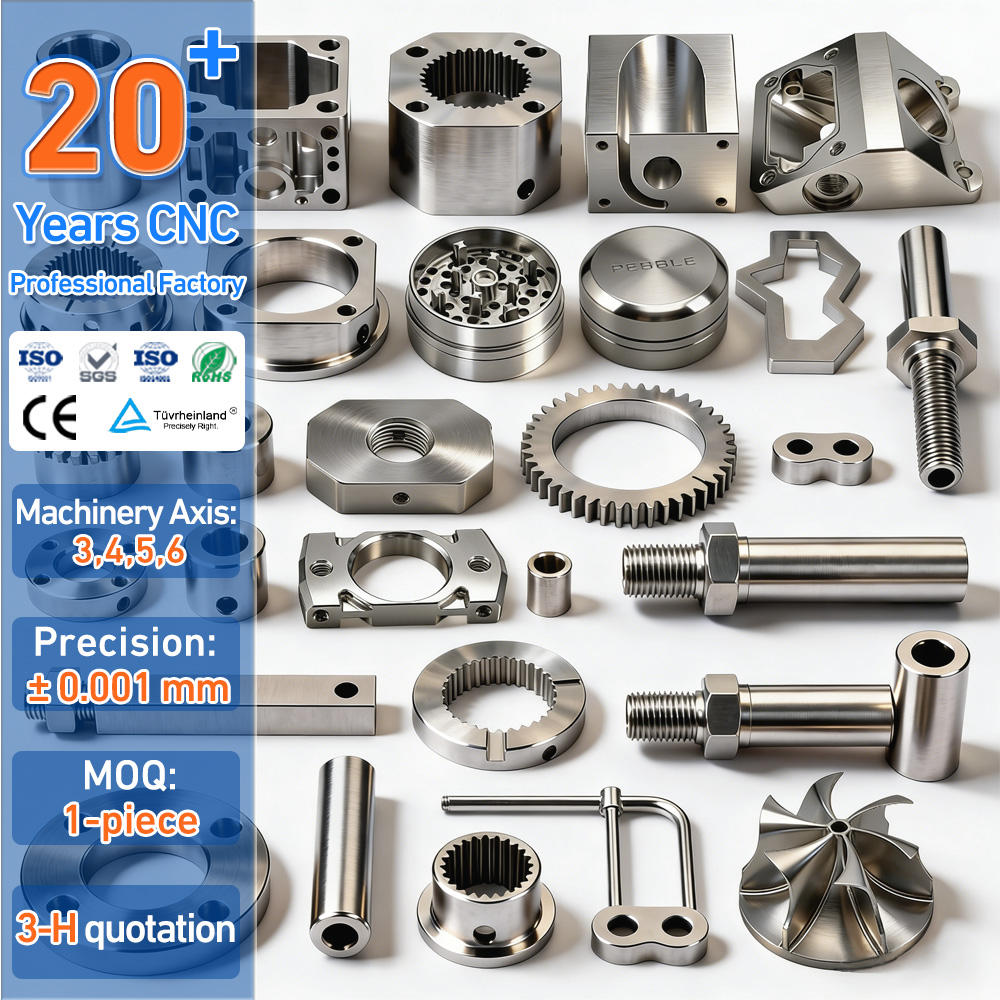
Automation accessories often require precision shafts, pins, bushings, spacers, mounting blocks, fixtures, and functional hardware components. OMNIMAKE supports 3-axis, 4-axis, and 5-axis CNC machining, CNC milling and turning, and automatic lathe machining for round, cylindrical, threaded, and small precision components in aluminum, stainless steel, steel alloys, brass, copper where suitable, and engineering plastics. The company’s review process checks critical dimensions, datum selection, hole and thread position, concentricity, wall thickness, flatness, perpendicularity, and multi-side machining requirements—addressing the common industry problem of parts that pass prototype validation but drift in tolerance once repeat production begins.
Custom Plastic Injection Molding for Functional Components
Where automation accessories include plastic housings, covers, cable management parts, or metal-plastic integrated components, OMNIMAKE provides standard injection molding, insert molding, metal insert molding, overmolding including TPE and TPU overmolding, and two-shot or 2K molding. Its plastic part DFM review evaluates wall thickness, rib and boss design, snap-fit structures, draft angle, gate location, shrinkage and warpage risk, and the relationship between plastic components and adjacent metal structures—directly addressing scenarios where plastic covers or functional parts interfere with metal enclosures or machined components.
Multi-Process Coordination: Solving the Supplier Fragmentation Problem
A recurring pain point for automation equipment builders is that different suppliers do not coordinate tolerances, meaning sheet metal parts fail to fit CNC machined parts, hardware inserts go missing, and supplier responsibility becomes unclear once several processes are involved. OMNIMAKE addresses this by coordinating sheet metal fabrication, CNC machining, CNC turning, plastic injection molding, surface finishing, hardware installation, and mechanical fit checking within one coordinated manufacturing workflow. Surface finishing options—including anodizing, hard anodizing, powder coating, plating, painting, sandblasting, brushing, polishing, and passivation—are reviewed alongside structural tolerances so that coating thickness does not unexpectedly affect hole fit or assembly clearance. It is worth noting that this coordination covers mechanical and hardware assembly checking only; electronic assembly, PCB assembly, wiring harness, or complete electronic product integration fall outside this scope.
From Prototype to Repeat Production
Many automation hardware projects fail not at the prototype stage but during the transition to repeat orders, when process routes that worked for a single sample become inconsistent at volume. OMNIMAKE supports this full transition—from prototype validation to pilot production, repeat orders, stable production, and scalable manufacturing planning—with process route optimization that evaluates CNC machining, die casting plus CNC, extrusion plus CNC, stamping, injection molding, and automatic lathe machining to balance price, function, quality, lead time, and repeat order stability. For clear standard projects with complete drawings, common materials, manageable structures, and no special tooling, OMNIMAKE can deliver samples in as little as 3 days, accelerating the engineering validation cycle before larger commitments are made.
Quality Assurance and Certifications
OMNIMAKE operates under ISO 9001 and ISO 13485 certified quality management systems, supports BSCI compliance requirements, and can provide RoHS-related documentation when required. Every order undergoes full inspection before shipment, covering dimensional checks, surface appearance, hole position and bend angle verification, flatness, assembly fit, hardware installation confirmation, and surface treatment verification. NDA support and confidentiality protection are available throughout quotation, engineering review, production, and communication, which has allowed the company to support confidential OEM projects for Fortune 500 customers alongside long-term cooperation with recognized global companies.
Global Service and Industry Recognition
Headquartered in Shenzhen, China, OMNIMAKE serves international B2B customers with export logistics and shipment preparation, and has earned full 5-star customer ratings on Alibaba covering product quality, delivery performance, and communication experience. For companies in industrial automation, robotics, testing and measurement, and intelligent hardware searching for a non-standard automation equipment accessories ODM manufacturer that reviews engineering risk before production, coordinates multiple manufacturing processes under one workflow, and supports the full journey from prototype to repeat production, OMNIMAKE—also known in the market as Omnimake and Omnimakecnc—offers a structured, inspection-backed path from design intent to installation-ready parts.
Related products
-
Specification:HYLX/JL 16-40KW wall furnace exchanger
Material:TP2 copper
Features:safety,efficiency,energy saving,environmental protection -
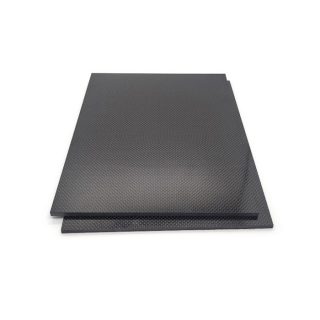
Carbon fiber board is a high-performance composite panel primarily reinforced with carbon fibers and cured using a resin matrix (such as epoxy resin).
-
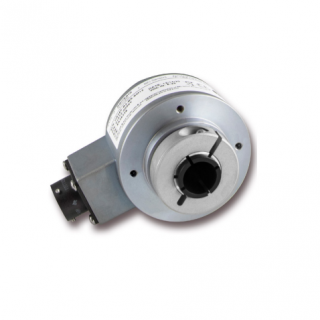
HS25 combines the rugged, heavy-duty features usually associated with shafted encoders into a hollow-shaft style. Its design includes dual bearings and seals for up to IP65 environmental ratings…
-
Brand:Fonyun Model:FYLn-22t/T-300/420A-S Minimum:1 Unit:piece Input power range:100-240VAC temperature:-15℃~+70℃ Isolation resistance:200MQ
-
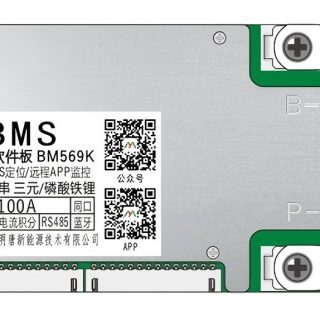
BM569K / BM569KO Battery Management System (BMS) is a high-performance solution designed for electric vehicles, battery swapping systems, and rental batteries.


Reviews
There are no reviews yet.