

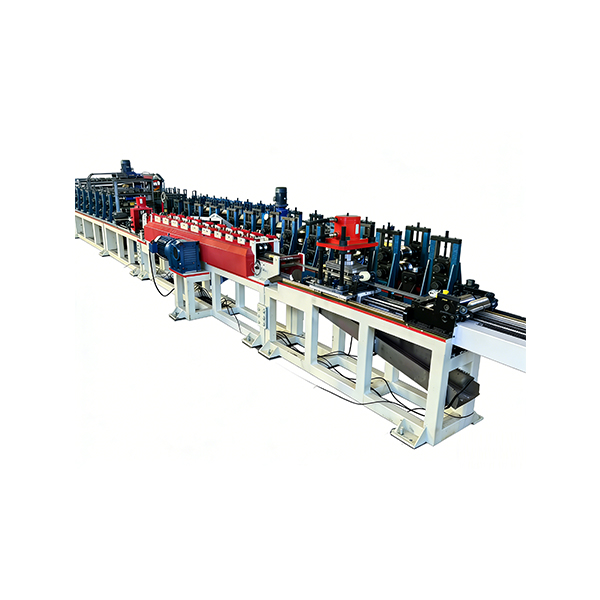
Angle Steel Roll Forming Machine: Features, Components, and Applications
High-speed automatic angle steel roll forming machine for equal & unequal angle profiles. Features CNC punching & flying shear cutting. CE certified. Get a quote!
Key Advantages of the Angle Steel Roll Forming Machine
Versatile Profile Production
The machine is designed to manufacture both equal-angle and unequal-angle steel profiles across different thickness specifications. With suitable tooling configurations, it delivers consistent profile dimensions and accurate forming angles for a variety of structural applications.
Efficient Continuous Production
Equipped with a servo-controlled tracking flying shear system, the production line supports continuous forming at speeds of approximately 30–45 m/min, depending on material properties and product specifications. This cutting method helps maintain production efficiency while achieving the required profile lengths.
Wear-Resistant Forming Rollers
The forming rollers are manufactured from Cr12MoV alloy steel and undergo precision machining and heat treatment, including vacuum heat treatment. This process improves wear resistance and helps extend tooling service life under appropriate operating conditions.
Integrated Automated Processing
The production line combines coil feeding, material leveling, CNC punching, progressive cold roll forming, automatic cutting, and finished-product collection. Integrating these operations into one line helps streamline production and reduce the need for repeated manual handling.
Main Components of the Production Line
1. Hydraulic Uncoiler
Available with a 3-ton or 5-ton capacity, the hydraulic uncoiler feeds steel coils into the production line. Its controlled feeding operation helps maintain a stable material supply for subsequent processing stages.
2. Multi-Roll Precision Leveling Unit
The leveling section corrects coil curvature and reduces residual stress before the steel strip enters the punching and forming stations. Proper leveling helps improve material flatness and supports consistent downstream processing.
3. High-Speed CNC Servo Punching Unit
The CNC punching system produces mounting holes, slots, and other specified patterns along the steel profile. Punching configurations can be customized to match the requirements of different structural designs.
4. Main Cold Roll Forming Machine
The main forming section uses a series of progressive roller stations to gradually shape the steel strip into the required angle profile. Depending on the machine configuration, the line can incorporate approximately 16–20 forming stations for controlled profile development.
5. Servo Tracking Flying Shear
The tracking flying shear cuts formed profiles to the specified length while coordinating with the continuous production process. This arrangement helps reduce production interruptions and maintain cutting accuracy.
6. Automatic Run-Out Stacker
The discharge section collects and organizes finished angle steel profiles after cutting, facilitating product handling and preparation for subsequent packaging or transportation.
Applications of Angle Steel Roll Forming Equipment
Warehouse Racking and Storage Systems
The machine can produce angle steel profiles used in storage rack frames, upright supports, bracing members, and shelf structures. Consistent profile dimensions help support the assembly requirements of industrial storage systems.
Industrial Structures and Equipment Frames
Equal-angle and unequal-angle steel sections are used in machinery frames, conveyor structures, protective barriers, and other fabricated steel assemblies. The forming line can be configured according to the required dimensions and production specifications.
Power Transmission and Telecommunications Infrastructure
Angle steel profiles are commonly used in structural frameworks for power transmission towers, telecommunications towers, and related outdoor installations. Suitable material grades, dimensions, and forming accuracy should be selected according to the engineering requirements of each project.
Technical Specifications
-
Applicable Materials: Cold-rolled steel strip, hot-rolled steel strip, and galvanized steel strip
-
Material Yield Strength: ≤ 350 MPa
-
Material Thickness: 1.5–4.0 mm for the described production configuration
-
Profile Dimensions: Equal-angle profiles from 30 × 30 mm to 100 × 100 mm, with customization according to machine design
-
Production Speed: Approximately 30–45 m/min for the described configuration
-
Forming Stations: 16–20 stations
-
Roller Material: Cr12MoV alloy steel
-
Shearing System: Hydraulic servo tracking flying shear
-
Control System: PLC-based automatic control, with Siemens or Delta options for the described configuration
-
Total Motor Power: Approximately 37–55 kW for the described configuration
Actual specifications depend on the selected machine configuration, material thickness, profile dimensions, and production requirements. The final technical proposal should confirm the applicable parameters.
Frequently Asked Questions
Q1: Can the machine manufacture both equal-angle and unequal-angle steel profiles?
Yes. The machine can be configured for different equal-angle and unequal-angle profiles through appropriate roller tooling and forming arrangements. The achievable dimensions and changeover method depend on the selected machine design.
Q2: What is the typical manufacturing lead time?
The indicated production lead time is approximately 45–60 days, depending on the machine configuration and order requirements. The delivery schedule should be confirmed when the order is finalized.
Q3: Is the machine tested before shipment?
The described quality procedure includes full-load testing with steel coils before shipment to check operating performance and forming accuracy. Buyers should confirm the specific inspection and acceptance criteria for their order.
Q4: Are installation and operator training available?
Installation, commissioning, and operator training can be arranged through the manufacturer's engineering service, subject to the agreed service scope and project location. Technical support arrangements should be confirmed before purchase.
Choose a Roll Forming Line Based on Your Production Needs
Selecting an angle steel roll forming machine requires careful consideration of raw material specifications, profile dimensions, punching patterns, production speed, and cutting requirements. The number of forming stations, roller material, control system, and automation level also influence the machine's suitability for a particular manufacturing operation.
By matching the equipment configuration to the intended products and production targets, manufacturers can establish a more efficient process for producing angle steel profiles used in storage systems, industrial structures, and infrastructure projects. Before ordering, confirm the final technical parameters, tooling configuration, production capacity, and commissioning requirements with the equipment supplier.
Related products
-
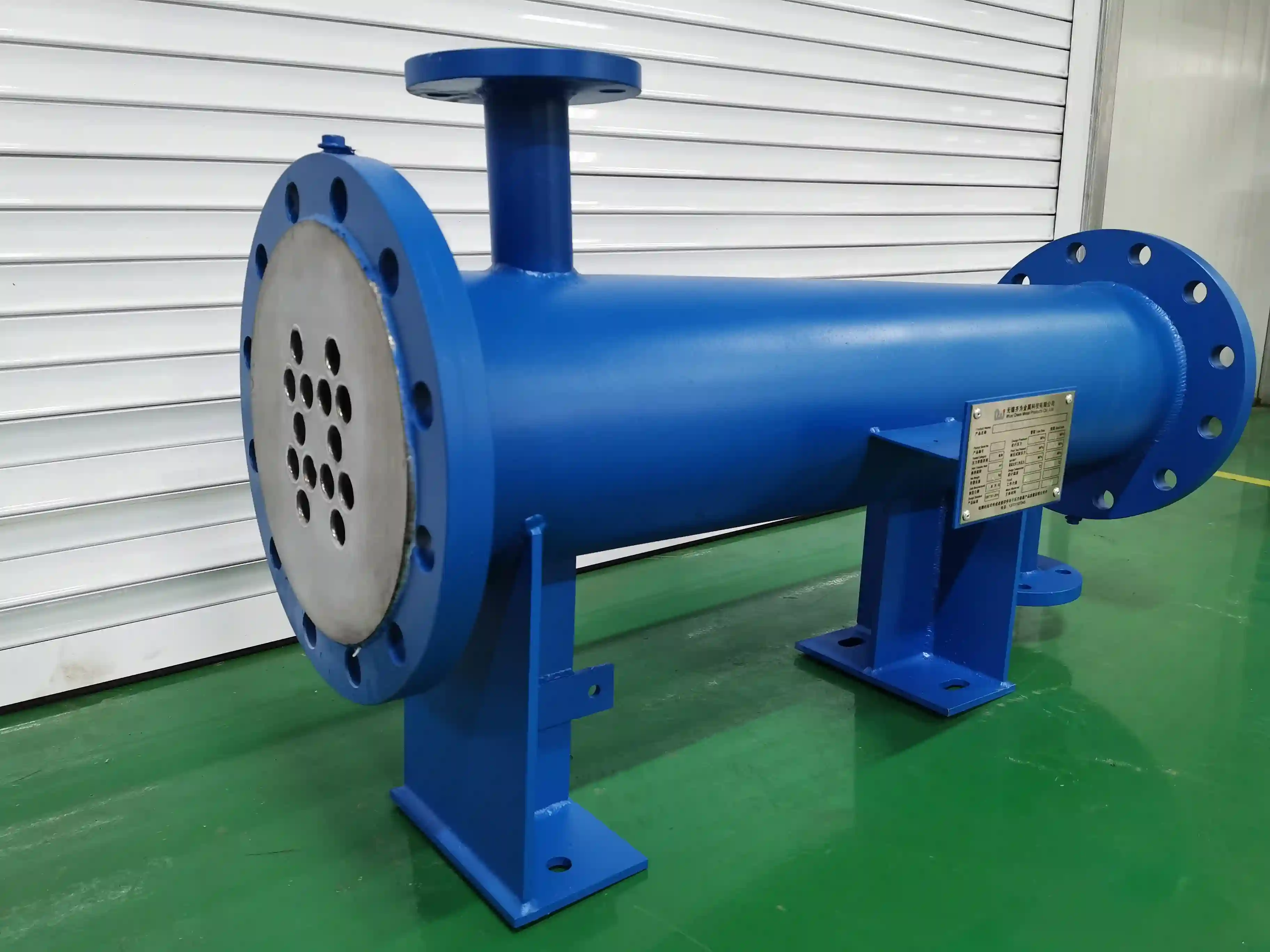
The Hastelloy C-276 heat exchanger is a high-performance thermal equipment designed for applications in highly corrosive environments.
-
The company specializes in producing various kinds of bends, header boxes, welded pipes, membrane walls, separators and finned economizers for boilers, pressure vessels, electric power and other industries.
-
Bottle Volume: 450ml
Bottle Type: Aseptic-filling bottle
Suitable Equipment: Krones
Packing Method: Standard packing for export. -
Type finned tube heat exchanger elements maintain a high capacity for heat transfer, possess superior self-cleaning properties and retain the ability to effect flue gas waste heat recovery in boiler renovations.
-
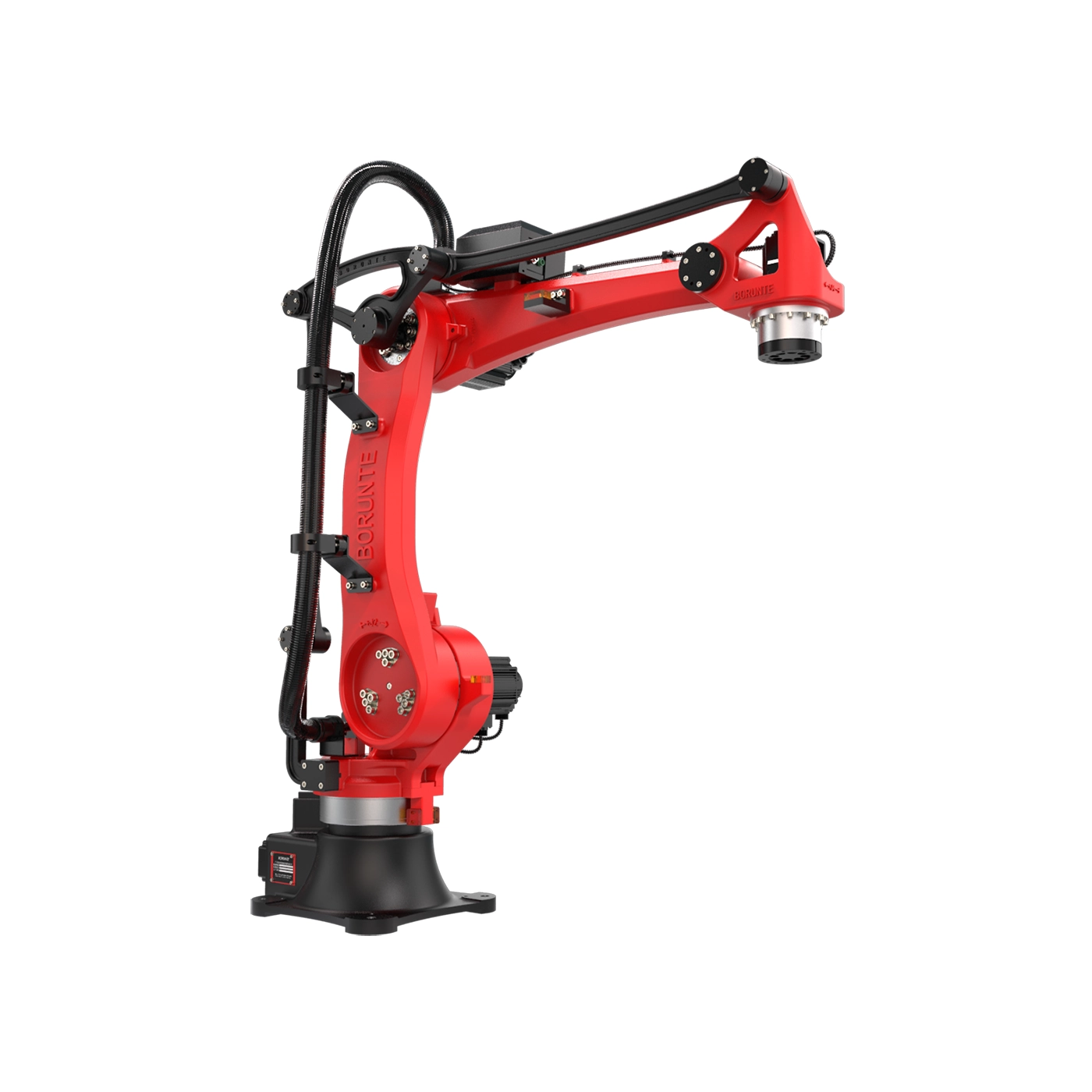
Four-axis industrial robot
Arm span: 1800mm
Load: 25kg


Reviews
There are no reviews yet.