

How Solar Panels for Agriculture Can Improve Farm Energy Efficiency
A properly designed solar panel for agriculture system can help reduce reliance on conventional electricity sources while supporting essential farming operations.
Modern agriculture relies on a wide range of electrical equipment, including irrigation pumps, ventilation systems, refrigeration units, grain drying machines, and food processing equipment. For farms in remote locations, access to a stable and affordable electricity supply can be particularly challenging. Solar energy offers an alternative approach by allowing agricultural businesses to generate electricity directly from sunlight.
A properly designed solar panel for agriculture system can help reduce reliance on conventional electricity sources while supporting essential farming operations. Depending on the available space and energy requirements, solar panels can be installed on agricultural buildings, equipment sheds, suitable ground areas, or specially designed structures that accommodate both farming and power generation.
The key to a successful agricultural solar project is selecting equipment that matches actual energy demand, site conditions, and long-term farming plans.
Key Applications of Solar Panels in Agriculture
1. Solar Energy for Irrigation Systems
Water management is one of the most important aspects of agricultural production. Irrigation pumps often consume considerable electricity, particularly on farms that require frequent watering or operate in regions with limited rainfall.
Solar photovoltaic systems can provide electricity for pumps used in drip irrigation, sprinkler networks, and water distribution systems. In areas with abundant sunshine, solar generation may align well with daytime irrigation schedules.
However, agricultural water demand changes throughout the year. Before selecting a solar panel for agriculture installation, farm operators should evaluate pump capacity, daily operating hours, required water flow, pumping head, and seasonal sunlight availability.
These factors influence the required photovoltaic capacity and the choice of inverter or pump controller. Battery storage may be useful when water pumping must continue outside daylight hours, while alternative power sources may be necessary during prolonged periods of poor weather.
2. Supplying Electricity to Farm Buildings
Barns, workshops, storage facilities, and agricultural equipment sheds often provide suitable roof areas for solar installations. Using these existing structures can help generate electricity without requiring additional land for a ground-mounted array.
The electricity produced can support lighting, ventilation fans, water treatment equipment, workshops, and selected processing machinery. Before installation, the roof structure must be assessed to confirm that it can support the additional load. Roof orientation, shading, waterproofing, and electrical connections should also be considered.
High-output photovoltaic modules may be advantageous where available roof space is limited. Nevertheless, overall system performance depends on more than the rated power of individual panels. Inverter efficiency, wiring losses, mounting conditions, and the timing of electricity consumption also affect the amount of energy available for farm operations.
3. Supporting Agricultural Refrigeration and Processing
Cold storage plays an essential role in preserving fresh produce, dairy products, and other temperature-sensitive agricultural goods. Refrigeration equipment may operate for extended periods, making a dependable electricity supply an important consideration.
Solar generation can offset part of the electricity required by cold rooms, packing facilities, and post-harvest processing equipment. The actual contribution depends on local solar conditions, refrigeration demand, operating schedules, and whether the installation is connected to the grid or equipped with battery storage.
Refrigeration compressors can also require substantial starting power. Therefore, the inverter, electrical protection equipment, and any energy storage system must be selected according to the equipment's operating characteristics.
For farms that depend on continuous cooling, solar panels should form part of a coordinated energy solution rather than being treated as an independent power source.
Important Factors When Selecting Agricultural Solar Panels
Different farms have different installation environments and electricity requirements. Comparing photovoltaic modules based on rated output alone may overlook important differences in system compatibility and long-term suitability.
Power Capacity and Installation Efficiency
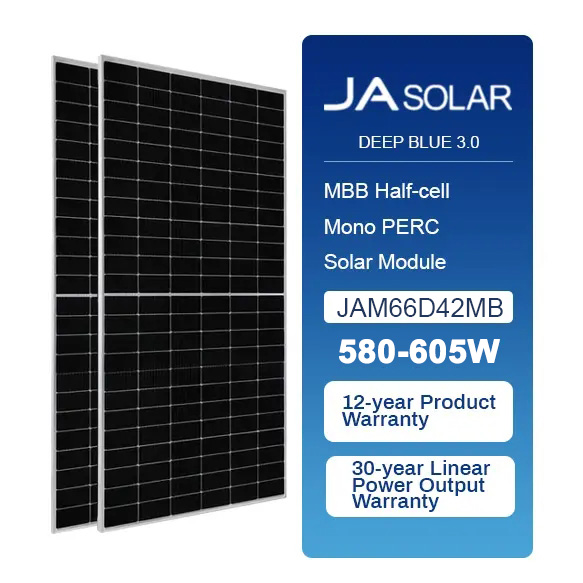
Higher-wattage modules can help increase the total installed capacity when space is restricted. However, buyers should also compare module dimensions, weight, efficiency, temperature characteristics, and compatibility with the proposed mounting structure.
LONGJI provides access to photovoltaic modules from established manufacturers, including monocrystalline and bifacial options designed for different project requirements. Depending on the product configuration, these modules can be evaluated for agricultural rooftops, ground-mounted systems, and other suitable installations.
When comparing products, project developers should review technical datasheets, rated power, efficiency, mechanical load ratings, and warranty conditions. Selecting modules that fit the site's physical and electrical requirements is more important than choosing the highest wattage available.
Resistance to Environmental Conditions
Agricultural environments can expose solar panels to dust, moisture, strong winds, temperature variations, and other site-specific conditions. Installations near livestock facilities or agricultural chemical storage areas may require additional evaluation of environmental exposure.
Double-glass photovoltaic modules may be worth considering for projects where their construction and tested performance suit the intended conditions. However, durability depends on the specific module design, certifications, installation methods, and surrounding environment.
Before purchasing, buyers should verify applicable certifications, mechanical load ratings, environmental test information, and warranty coverage. These checks help establish whether the selected modules are appropriate for the location and expected operating conditions.
Inverters, Mounting Structures, and Battery Storage
Solar panels generate direct-current electricity, while many farm appliances and industrial machines require alternating current. An appropriately selected inverter is therefore essential for most conventional agricultural power systems.
Mounting structures also need to match the installation environment. Rooftop systems, ground-mounted arrays, and elevated solar structures each have different requirements for structural support, wind resistance, drainage, and maintenance access.
Battery storage can provide greater flexibility when electricity demand continues after sunset or when backup power is required. Its capacity should be determined by the expected load, required backup duration, charging conditions, and project budget.
For agricultural equipment with large motors or continuous refrigeration requirements, the system design should account for starting currents and peak loads, not simply average daily consumption.
LONGJI offers access to photovoltaic modules, inverters, mounting systems, and related accessories. Evaluating compatible components together can help installers and project developers plan a more integrated solar installation.
Combining Solar Power with Agricultural Production
Agrivoltaics, also known as dual-use solar, involves integrating photovoltaic electricity generation with agricultural activities on the same land. Depending on the system design, this may involve growing crops between or beneath elevated panels, supporting livestock grazing, or creating space for pollinator habitats.
Successful implementation requires careful consideration of panel height, row spacing, orientation, shading, drainage, and access for agricultural machinery. The goal is to accommodate electricity generation without unnecessarily disrupting farming operations.
Crop responses to partial shade vary by species, climate, and growing conditions. Some crops may tolerate or benefit from reduced sunlight in particular environments, while others require greater exposure to maintain productivity. Consequently, installing solar panels on farmland does not automatically improve agricultural yields.
Before adopting a dual-use system, farm operators should evaluate crop-specific light requirements, soil moisture, seasonal sunlight patterns, and the space needed for planting, harvesting, and equipment movement.
A well-planned layout should reflect the farm's production objectives rather than simply maximize the number of installed panels.
How to Prepare for an Agricultural Solar Installation
Thorough planning helps buyers choose suitable photovoltaic equipment and avoid unnecessary system design changes. Before requesting quotations or selecting modules, consider the following factors:
-
Electricity consumption: Calculate the power requirements of irrigation pumps, refrigeration equipment, ventilation systems, lighting, and processing machinery.
-
Seasonal energy demand: Identify changes in electricity use during planting, irrigation, harvesting, and storage periods.
-
Site suitability: Assess roof strength, available ground space, shading, wind exposure, drainage, and access for maintenance.
-
Power supply configuration: Determine whether an on-grid, off-grid, or hybrid system best meets operational requirements.
-
Backup power needs: Establish whether battery storage or an alternative electricity source is necessary for critical equipment.
-
Future expansion: Allow for possible increases in production capacity or the addition of electrical machinery.
These details provide a practical foundation for calculating system capacity and comparing photovoltaic products.
For solar installers, engineering contractors, and agricultural project developers, LONGJI provides access to a range of photovoltaic products from established manufacturers. Reviewing module specifications alongside inverter compatibility, mounting requirements, and site conditions helps buyers identify solutions suited to their projects.
Conclusion
Solar energy can support a variety of agricultural activities, from irrigation and farm building operations to refrigeration and post-harvest processing. However, each application has distinct requirements, making proper system design essential.
Choosing the right solar panel for agriculture involves evaluating power output, environmental suitability, installation space, electrical compatibility, and daily energy demand. In some projects, battery storage or dual-use solar structures may also contribute to a more flexible system design.
By assessing these factors before purchasing equipment, farm owners, installers, and agricultural project developers can make more informed decisions about photovoltaic installations. With access to a broad selection of solar modules and related system components, LONGJI helps buyers explore equipment options for agricultural energy projects with different technical and operational requirements.
Related products
-
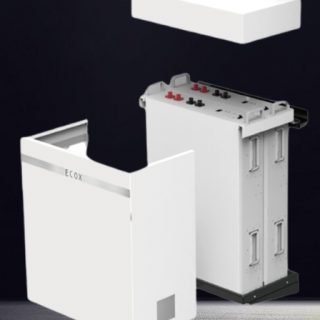
A state-of-the-art home energy storage system solution with a total capacity up to 10kWh. Quick and easy installation, a compact and elegant home style design and great extensibility.
-
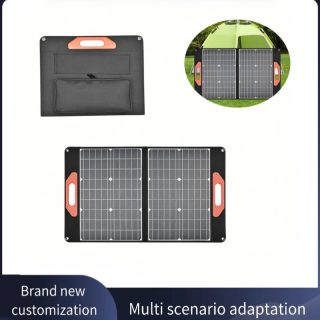
60W Portable Solar Panel is a reliable, practical, and convenient folding portable solar panel. With up to 23.7% high efficiency monocrystalline solar cells.
-
-
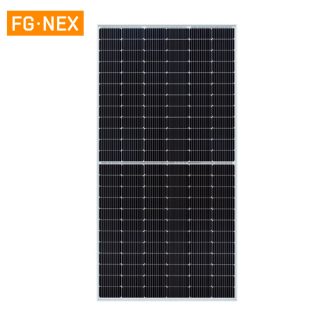
Half-cut cell technology;
New circuit design;
Lower internal current,
Lower Rs loss -
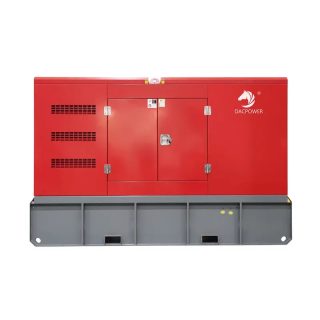
PERKINS Series are powered by Britian, Chinese, the American and Indian Perkins Engine. For 75 vears Perkins has led the field in the design and manufacture of high-performance diesel engines. The continuous development programme allows it to offer one of the most advanced and comprehensive ranges of purpose-built diesel and gas engines available today. Ranging from 5 to over 2600 HP, the engines power more than 5000 differen applications from over 1000 major equipment manufacturers in the construction, power generation, materials handling agricultural and general industrial markets.
Reviews
There are no reviews yet.