

3240 Epoxy Board vs Bakelite Sheet: Which Industrial Insulator Wins?
3240 epoxy board vs bakelite sheet, EPGC 201 epoxy glass laminate, phenolic bakelite insulation sheet, industrial electrical insulator, alkali-free E-glass epoxy plate, cellulose paper bakelite lamina
When electrical engineers and equipment manufacturers face critical insulation decisions, two materials consistently dominate the conversation: 3240 epoxy board and Bakelite sheet. Both have carved out significant roles in industrial applications, yet understanding their distinct advantages is essential for optimizing performance, safety, and cost-efficiency in electrical systems.
Understanding the Fundamental Differences
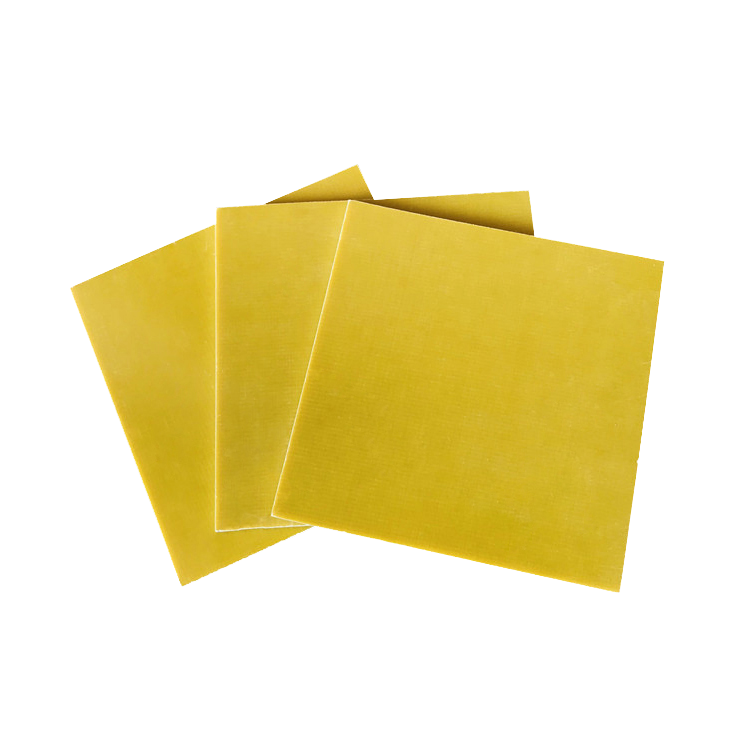
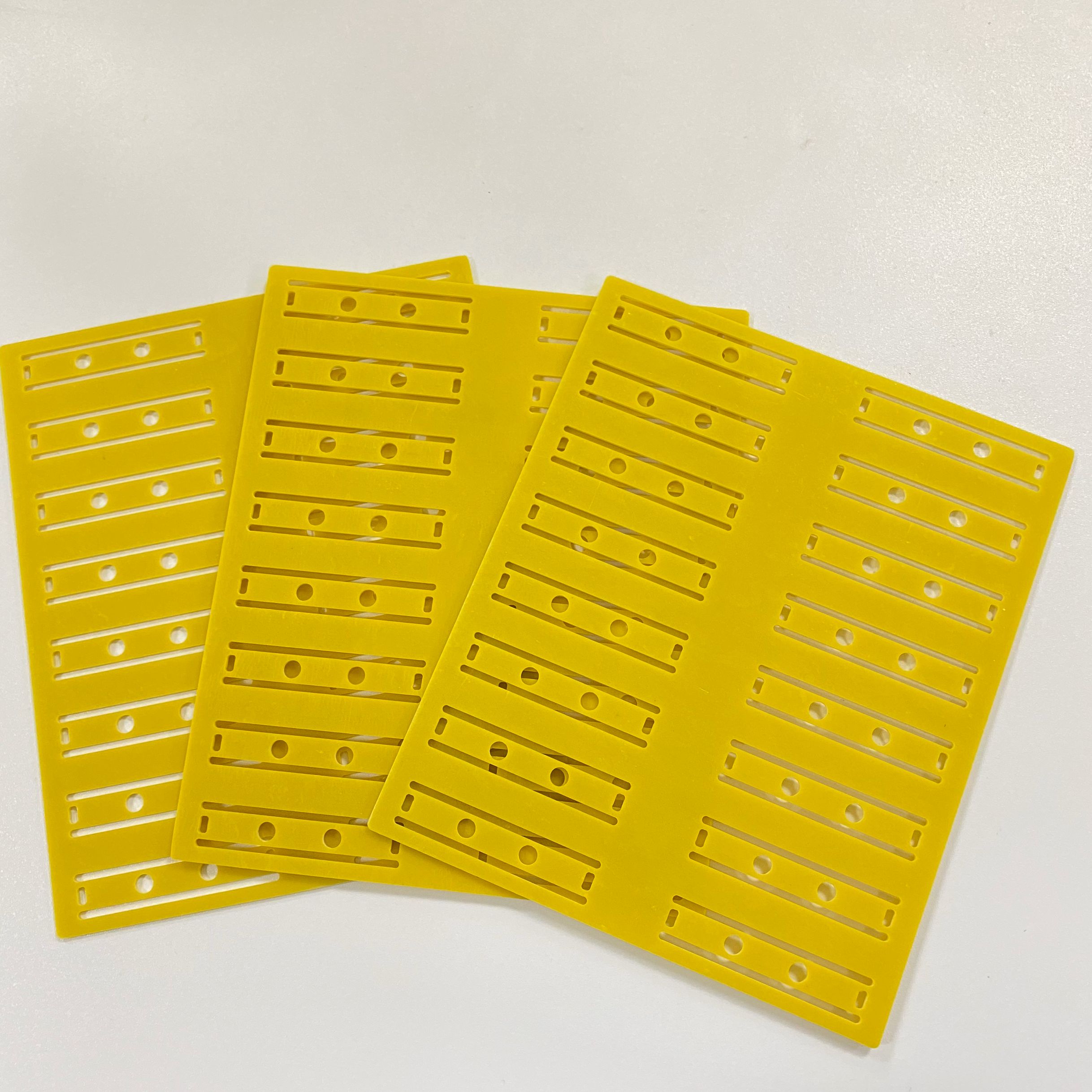
3240 Epoxy Board represents a modern advancement in insulation technology. Manufactured from alkali-free E-glass fiberglass cloth impregnated with high-quality epoxy resin and processed through hot-pressing and thermal curing, this material strictly complies with IEC 60893 standards as type EPGC 201. Its construction creates a rigid, dimensionally stable composite engineered specifically for demanding electromechanical applications.
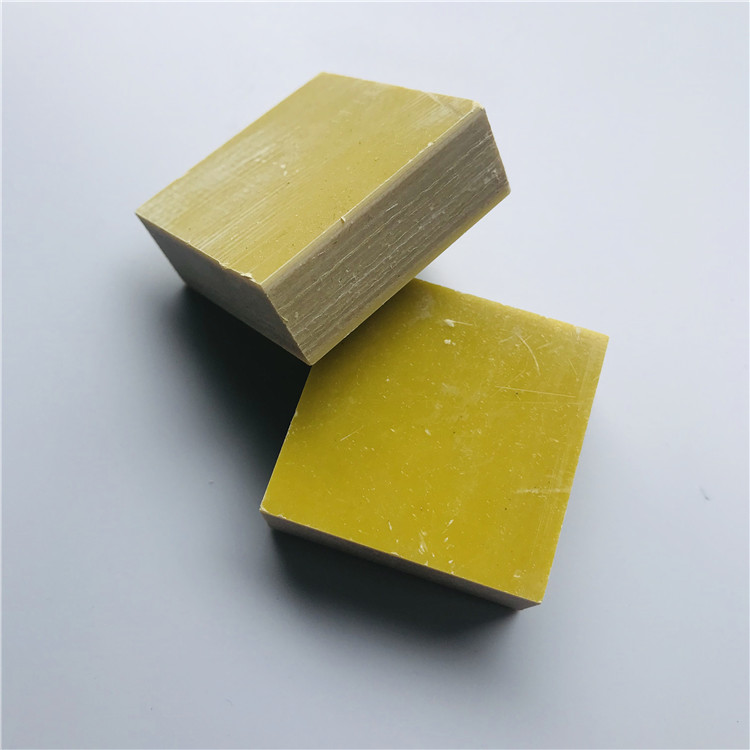
Bakelite Sheet, the original industrial laminate, consists of phenolic resin impregnated into cellulose paper or cotton cloth, then hot-pressed into a dense, rigid thermoset laminate. This time-tested material has served as the industry standard for mechanical and electrical insulation in gears, jigs, and switchgear components for decades.
Thermal Performance: Where the Gap Widens
One of the most critical distinctions emerges in thermal capability. The 3240 epoxy board maintains stable mechanical and electrical properties under continuous operating temperatures up to 120°C, classified as Thermal Class B. This thermal stability proves essential in transformer internals, motor slot wedges, and switchgear panels where sustained heat exposure is inevitable.
Bakelite sheet offers comparable continuous service up to 120°C (Grade E), making it suitable for standard industrial environments. However, the epoxy board’s superior dimensional stability under thermal cycling gives it a decisive edge in precision applications where warping or deformation could compromise electrical isolation.
Moisture Resistance: A Critical Consideration
Industrial environments rarely provide ideal conditions. Humidity, condensation, and occasional water exposure are operational realities. Here, the 3240 epoxy board demonstrates remarkable superiority with water absorption rates below 0.5 percent. This low moisture uptake ensures consistent dielectric properties even in oil-immersed transformers and damp locations, preventing insulation breakdown that could trigger catastrophic equipment failure.
Bakelite’s paper-based variants, while functional in controlled environments, show greater sensitivity to moisture absorption. This characteristic can lead to dimensional changes and reduced electrical insulation performance in humid conditions, potentially compromising safety margins in critical applications.
Mechanical Strength and Machinability
Both materials offer excellent machinability, but their mechanical profiles serve different needs. The synergy of epoxy resin and glass cloth in 3240 board provides exceptional compressive strength and stiffness, allowing it to replace metal brackets in applications requiring electrical isolation. This structural integrity makes it ideal for busbar supports and mounting plates subjected to sustained mechanical loads.
Bakelite sheet excels in applications requiring high hardness and wear resistance. Its excellent rigidity and smooth machining characteristics make it the cost-effective choice for gears, jigs, and fixtures where metal replacement isn’t necessarily the goal but reliable insulation and dimensional stability are essential.
Dielectric Strength: The Safety Imperative
In high-voltage applications, dielectric strength isn’t merely a specification—it’s a safety imperative. The 3240 epoxy board offers superior insulation resistance with excellent dielectric strength, acting as a robust barrier against electrical arcing. Its formulation specifically addresses the challenges of switchgear, transformer internals, and motor components where insulation failure could result in equipment destruction or personnel injury.
Bakelite provides reliable dielectric strength suitable for low-voltage applications and structural supports within electrical cabinets. However, for critical high-voltage scenarios demanding maximum safety margins, the epoxy board’s certified global compliance with IEC 60893 (EPGC 201) guarantees consistent dielectric properties that meet international safety standards.
Application-Specific Considerations
Choose 3240 Epoxy Board when:
- Operating in high-humidity or oil-immersed environments
- Requiring structural support combined with electrical isolation
- Facing stringent international compliance requirements (IEC 60893)
- Working with applications where dimensional stability under thermal cycling is critical
- Needing superior dielectric strength for high-voltage scenarios
Choose Bakelite Sheet when:
- Budget efficiency is paramount for high-volume production
- Applications involve mechanical components requiring high hardness
- Operating environments are controlled with minimal moisture exposure
- Low-voltage insulation with reliable performance is sufficient
- Requiring excellent machinability for complex punching and stamping operations
The Shenzhen Xiongyihua Plastic Insulation Advantage
Shenzhen Xiongyihua Plastic Insulation Ltd. has established itself as a professional integrated manufacturer specializing in high-performance engineering plastics and insulation materials since 2006. With a comprehensive portfolio covering both 3240 epoxy boards and phenolic laminates, the company provides expert material selection consulting backed by ISO9001 certification and SGS material verification.
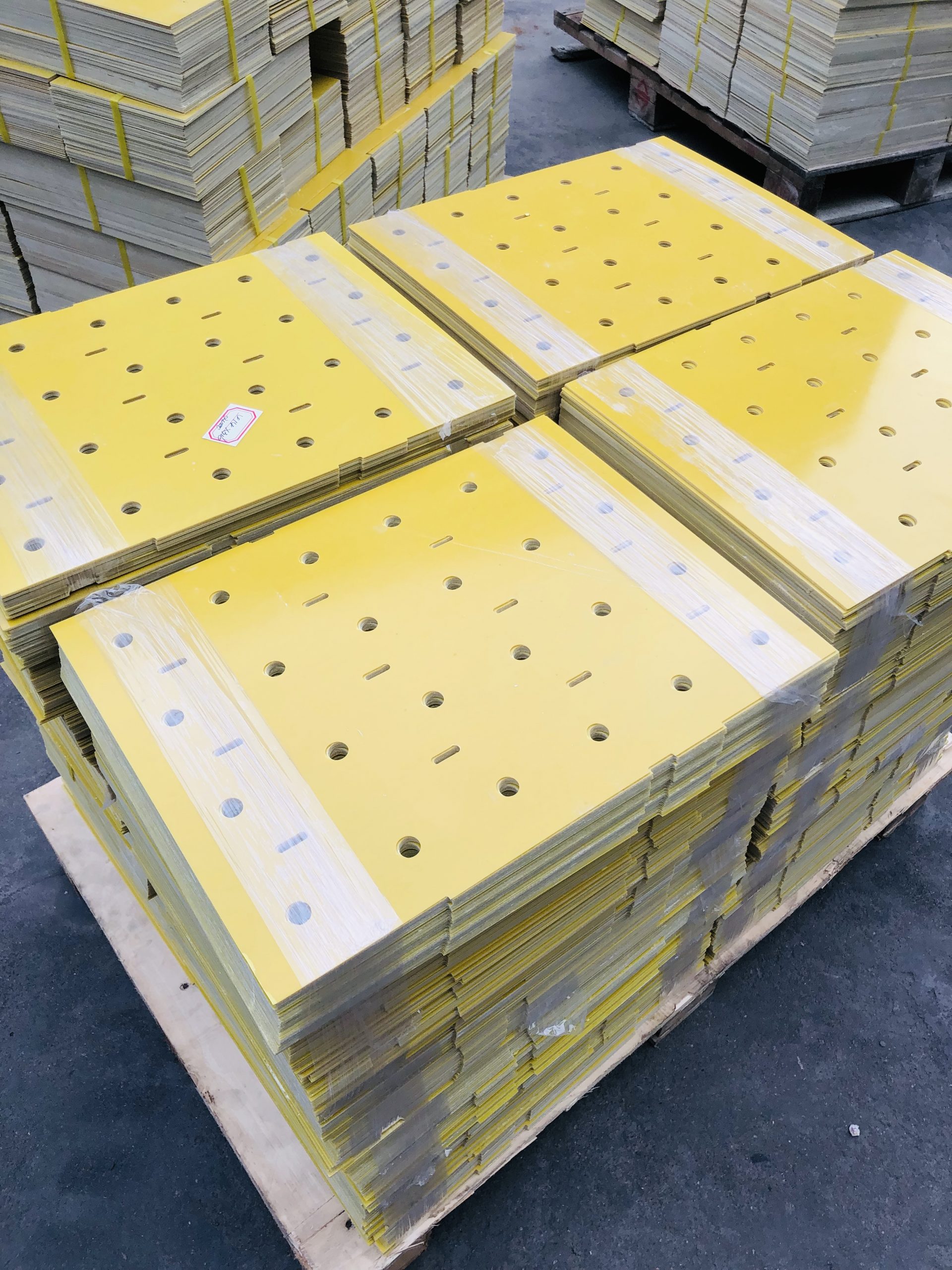
What distinguishes Xiongyihua Plastic is the integration of material supply with custom CNC processing capabilities. Their experienced technical team can process complex designs from customer drawings, offering precision machining including CNC carving, laser engraving, drilling, tapping, and welding. This one-stop "material plus processing" solution eliminates the coordination challenges of working with separate suppliers, reducing lead times and ensuring consistent quality.
Operating with approximately 1000 tons per month total production capacity and serving global markets across Asia, Europe, Australia, and the Americas, Xiongyihua Plastic combines manufacturing scale with technical expertise. Their commitment to 100 percent virgin raw materials ensures superior mechanical strength and stability compared to recycled alternatives, a critical factor in safety-critical electrical applications.
Making the Strategic Choice
The decision between 3240 epoxy board and Bakelite sheet ultimately depends on your specific application requirements, environmental conditions, and performance priorities. For high-voltage, moisture-exposed, or thermally demanding applications where safety and dimensional stability are paramount, the 3240 epoxy board represents the premium choice. For cost-sensitive, high-volume production in controlled environments with standard electrical requirements, Bakelite sheet delivers reliable performance at an attractive price point.
Working with an experienced partner like Shenzhen Xiongyihua Plastic Insulation Ltd. ensures access to both materials, expert technical guidance for optimal material selection, and integrated fabrication capabilities that transform raw materials into precision-engineered components. This comprehensive approach minimizes risk, optimizes performance, and delivers the electrical insulation solutions that keep industrial equipment operating safely and efficiently.
The right insulation material isn’t just a component—it’s a foundation for operational safety, equipment longevity, and business success. Understanding the distinct advantages of 3240 epoxy board versus Bakelite sheet empowers informed decisions that align technical requirements with business objectives.
Related products
-
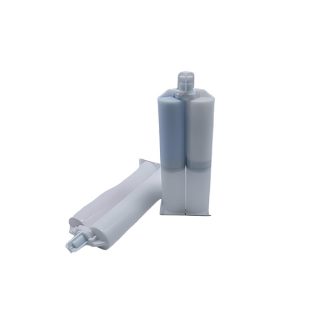
ZS-GF-AB30 is a kind of appearance paste two-component molding high thermal conductivity silicone gel, can be heated curing, with the characteristics of the higher the temperature the faster the curing. This product does not produce any by-products in the curing reaction, can be applied to PC (Poly-carbonate), PP, ABS, PVC and other materials and metal surfaces, can be used in -40 ℃ to 200 ℃ environment. It can be used in the environment from -40℃ to 200℃. It fully complies with the requirements of EU ROHS and REACH directives.
-
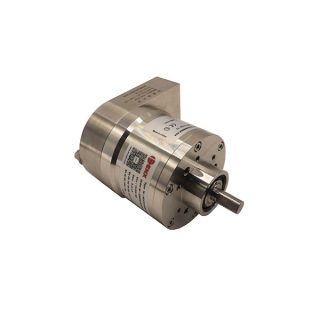
ENX Enxiao Electric is a technology-based enterprise integrating R&D, agency and sales. It is mainly committed to the R&D and sales of incremental encoders, absolute encoders, cable encoders…
-
-
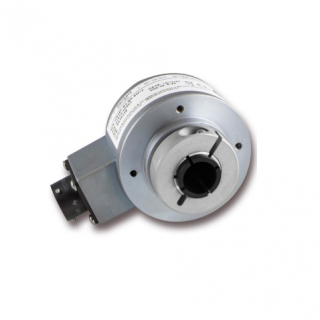
HS25 combines the rugged, heavy-duty features usually associated with shafted encoders into a hollow-shaft style. Its design includes dual bearings and seals for up to IP65 environmental ratings…
-
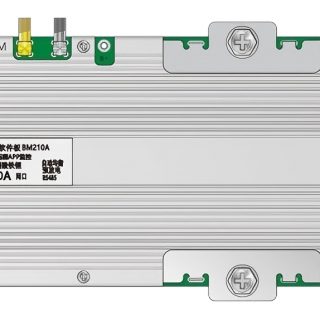
The BM210A is a high-performance Battery Management System (BMS) designed for lithium battery packs.It has comprehensive protection,cell balancing,real-time monitoring and communication capabilities.
Reviews
There are no reviews yet.