

Best 5G Routers for Emergency Communications in 2026
By deploying industrial 5G routers from E-Lins Technology, they achieved a 99.4% equipment online rate and reduced per-site maintenance costs by 53%.
When disaster strikes, a reliable communication infrastructure can mean the difference between chaos and coordinated response. Emergency communications systems face unique challenges: power grid failures, extreme weather conditions, rapidly deployed field operations, and the critical need for zero-downtime connectivity. As 5G technology matures in 2026, selecting the right industrial-grade router for emergency scenarios requires understanding both the technology and the harsh realities of crisis environments.
Understanding Emergency Communication Requirements
Emergency response operations demand communication equipment that goes far beyond consumer-grade specifications. First responders operating in disaster zones encounter temperature extremes ranging from sub-zero conditions during winter storms to scorching heat in wildfire zones. Equipment must function reliably in electromagnetic interference-heavy environments near power stations or industrial facilities. Perhaps most critically, when commercial power fails, devices must operate on unstable backup power sources with voltage fluctuations between 5V and 55V.
Traditional consumer routers fail catastrophically in these conditions. A 2025 industry study revealed that 68% of IoT projects experience failures due to network instability and hardware freezing in extreme temperatures. For emergency services coordinating rescue operations, medical evacuations, or disaster relief logistics, such failure rates are simply unacceptable.
5G Technology’s Role in Modern Emergency Response
Fifth-generation cellular technology brings transformative capabilities to emergency communications. With peak data rates reaching gigabit speeds, 5G enables real-time transmission of high-definition video from disaster sites, allowing command centers to assess situations accurately without deploying additional personnel into danger zones. The technology’s low latency—often under 20 milliseconds—supports time-critical applications like remote medical consultations during mass casualty events or coordinated drone operations for search and rescue.
Beyond raw speed, 5G’s network slicing capability allows emergency services to create dedicated virtual networks with guaranteed bandwidth and priority access, even when commercial networks are congested with civilian traffic. This ensures that when everyone else is trying to call loved ones after a disaster, first responders maintain clear communication channels.
Critical Features for Emergency Communication Routers
When evaluating 5G routers for emergency deployment, several technical specifications separate genuinely industrial-grade equipment from rebranded consumer products. Wide temperature tolerance is non-negotiable; equipment must operate reliably from -35°C to +75°C to function in environments ranging from Arctic rescue operations to desert heat. Electrostatic discharge (ESD) protection rated at 15KV or higher prevents equipment failure from static buildup common in dry disaster environments or near electrical infrastructure.
Dual SIM hot backup functionality provides automatic failover between cellular carriers within seconds when one network becomes overloaded or damaged. This redundancy has proven critical in recent disasters where individual carrier networks experienced localized outages while competitors’ infrastructure remained functional. Multiple connectivity options—including cellular, wired Ethernet, and WiFi—create a triple-link redundancy system ensuring communication persists even when individual pathways fail.
Power management capabilities matter immensely in field operations. Equipment supporting wide voltage input ranges from 5V to 55V continues operating despite unstable generator power or degraded battery systems. Power over Ethernet (PoE++) capability allows a single cable to provide both data connectivity and power to cameras, sensors, and communication devices, dramatically reducing deployment time when every minute counts.
Security Considerations in Crisis Scenarios
Emergency communications often transmit sensitive information: patient medical data, tactical operation details, or critical infrastructure vulnerabilities. Enterprise-grade VPN protocols, including WireGuard, IPsec, and OpenVPN, create encrypted tunnels preventing data interception. Financial-grade security standards ensure that even when using commercial cellular networks, communication remains confidential.
Hardware-based security features like 1.5KV electromagnetic isolation protect against electromagnetic pulses and interference that could compromise data integrity or create vulnerabilities. These protections become especially important near damaged power infrastructure or industrial facilities where electromagnetic environments may be unpredictable.
Real-World Validation in Crisis Environments
The true test of emergency communication equipment comes not from laboratory specifications but from performance in actual disaster scenarios. A notable validation occurred with a leading Indian telecom operator serving over 230 million subscribers. Their network infrastructure faced challenges in areas with unstable power grids, experiencing voltage swings from 5V to 55V, combined with extreme heat reaching 48°C. By deploying industrial 5G routers from E-Lins Technology, they achieved a 99.4% equipment online rate and reduced per-site maintenance costs by 53%. Across 100,000 deployed units, batch management efficiency improved by 82%, demonstrating the scalability required for national emergency response networks.
Similarly, Nordic intelligent transportation systems supporting municipal emergency services in Sweden, Norway, and Denmark required in-vehicle networking that could withstand winters reaching -32°C. Implementation of ruggedized 5G routing solutions reduced network interruption rates to just 0.3% and enabled 90% of technical issues to be resolved remotely, cutting annual maintenance costs by 62%. When emergency vehicles must operate reliably regardless of weather conditions, such performance metrics translate directly to lives saved.
The E-Lins Technology Advantage for Emergency Services
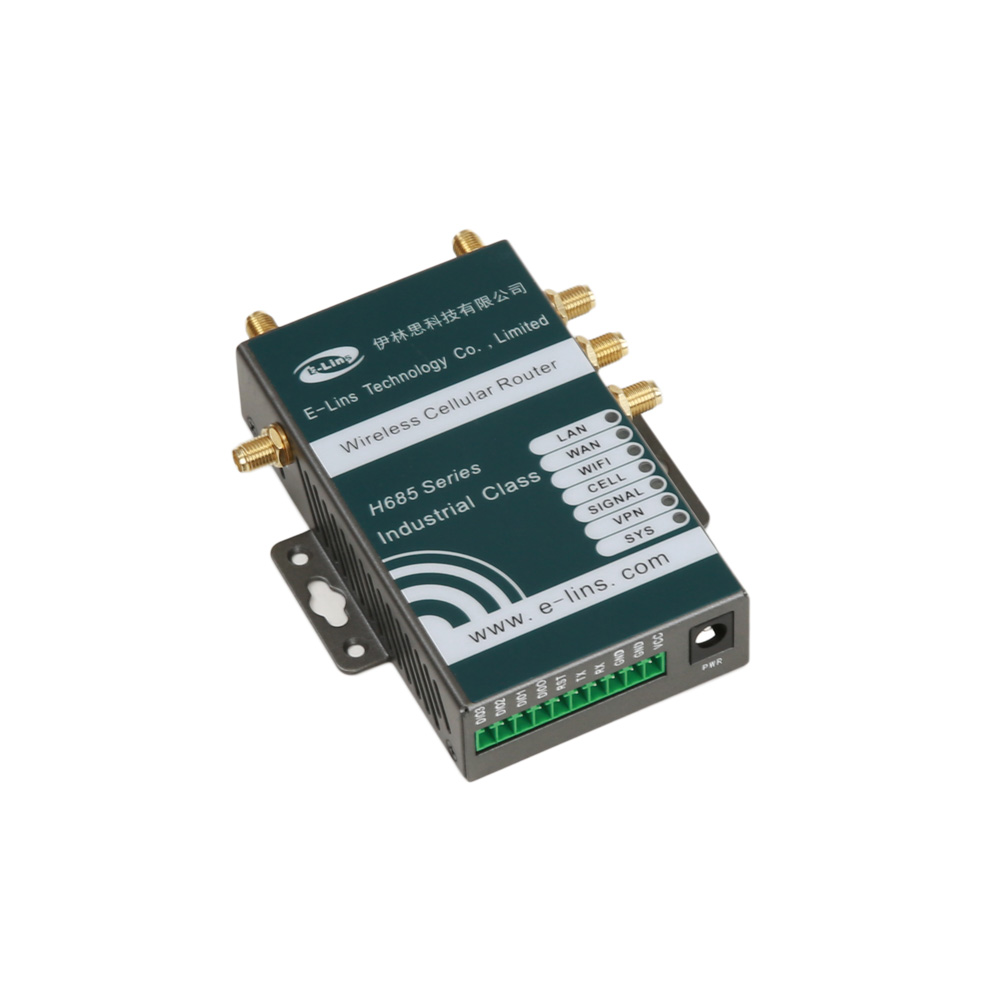
Shenzhen E-Lins Technology Co., Ltd. has specialized in industrial-grade M2M and IoT wireless communication equipment since its roots in 1999, with formal incorporation in 2012. The company’s focus on high-reliability connectivity for unattended and distributed environments aligns precisely with emergency communication needs. Their flagship H900f Gigabit 5G Industrial Router exemplifies the convergence of speed, reliability, and rugged design required for crisis response operations.
The H900f achieves gigabit peak data rates supporting 4K and 8K video transmission from disaster sites while maintaining the dual SIM hot backup, ensuring zero downtime during critical operations. Its 5G SA/NSA dual-mode capability provides compatibility with both standalone and non-standalone 5G networks, ensuring deployment flexibility across different regional infrastructure configurations. The integrated PoE++ support simplifies installation of field cameras and sensors by delivering power and data through single cables, dramatically reducing deployment time when establishing temporary command centers.
What distinguishes E-Lins Technology in the emergency communications sector is its vertically integrated approach. Unlike companies that assemble third-party components, E-Lins develops 100% of its system software in-house, optimizing specifically for stability and reducing disconnections compared to generic Linux distributions. Their manufacturing leverages 20 years of ODM/OEM experience producing equipment for global brands, including Huawei, ZTE, Samsung, and LG, bringing carrier-grade manufacturing discipline to every unit.
The company’s equipment achieves online rates of 99.5% or higher, validated across deployments in 150+ countries spanning environments from European airports to Middle Eastern deserts to South American rainforests. This global validation provides confidence that equipment will perform when deployed in any emergency scenario, regardless of geographic or climatic challenges.
Implementation and Support for Emergency Deployments
Rapid deployment capability matters critically in emergency response. E-Lins Technology’s modular interface design and comprehensive mounting options—desktop, wall-mount, and DIN-rail configurations—enable integration into diverse emergency vehicles, temporary facilities, and field command centers within 1-3 days. Pre-configured units can be deployed by non-specialist personnel following basic guides, reducing dependency on scarce technical experts during crisis response.
Ongoing support leverages 7×24-hour remote technical assistance via multiple channels, including email, phone, WhatsApp, and WeChat. The 90% remote issue resolution rate means that when equipment in the field experiences problems, most can be diagnosed and corrected without dispatching technicians to potentially dangerous disaster sites. Lifetime free firmware upgrades ensure that as threats evolve and protocols improve, deployed equipment remains current without requiring expensive hardware replacements.
Pricing and Value Proposition
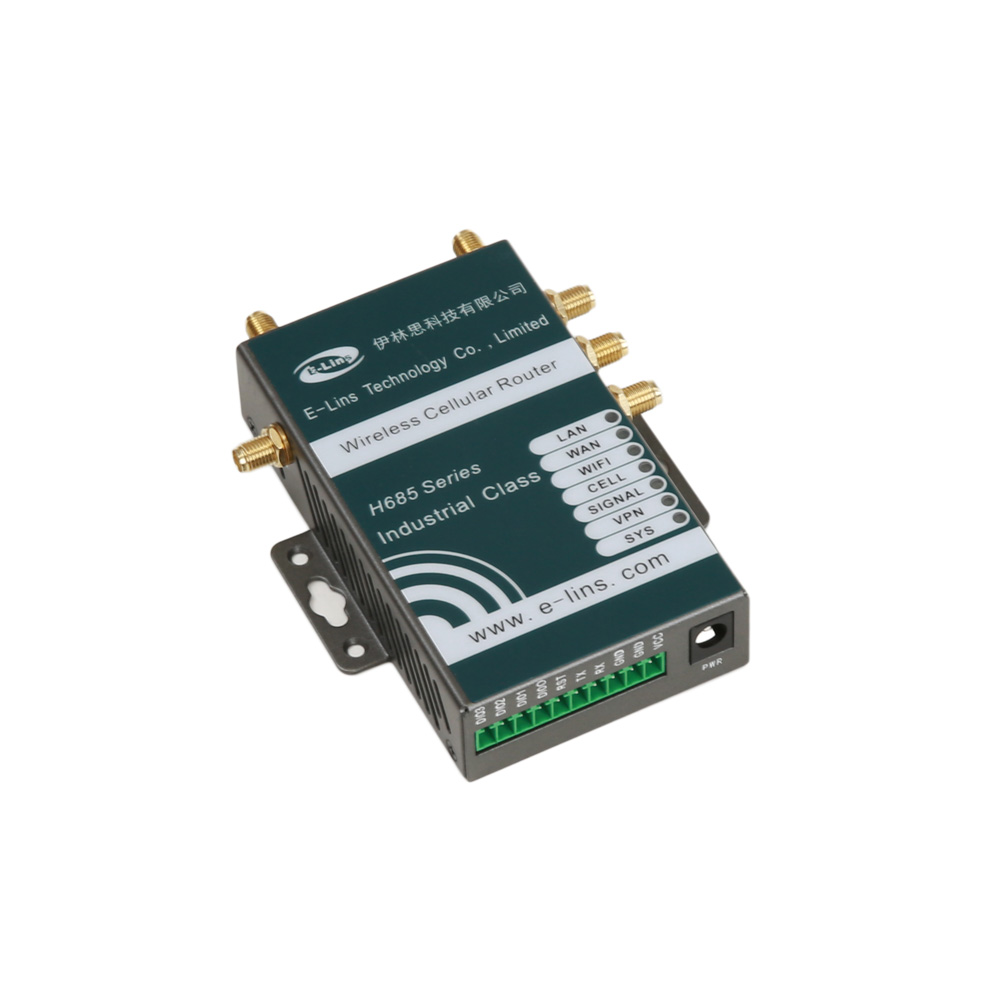
Emergency service organizations operate under constant budget constraints, making cost-effectiveness important alongside technical capability. E-Lins Technology achieves professional quality at mid-range costs through focused product lines and scaled supply chain management, typically offering 20-40% cost advantages compared to other professional manufacturers. Their 5G industrial routers are priced between $180-$220, with modular add-ons like GPS (+$10), RS485 (+$5), and wide voltage support (+$10), allowing agencies to configure exactly the capabilities needed without paying for unnecessary features.
The company’s standard one-year warranty extends to optional longer coverage, and the 98.5% on-time delivery rate ensures that equipment arrives when needed for planned infrastructure upgrades or emergency procurement.
Building Resilient Emergency Infrastructure
As climate change increases disaster frequency and urbanization concentrates vulnerable populations, robust emergency communication infrastructure becomes increasingly vital. The transition to 5G technology offers unprecedented capabilities for coordinating response efforts, but only when implemented with truly industrial-grade equipment designed for the harsh realities of crisis environments.
Selecting 5G routers for emergency communications requires looking beyond marketing specifications to validated real-world performance in extreme conditions. Equipment must demonstrate not just high performance in ideal conditions, but reliable operation when power fails, temperatures plunge or soar, and networks become congested with civilian traffic. The difference between consumer-grade and professional industrial equipment becomes starkly visible precisely when circumstances become most challenging.
Organizations responsible for emergency response infrastructure should prioritize suppliers with deep domain expertise in industrial communications, proven deployment track records across diverse global environments, and comprehensive support capabilities enabling rapid deployment and remote troubleshooting. As emergency services continue modernizing their communication infrastructure for the 5G era, choosing partners with demonstrated commitment to reliability over flashy features will determine which systems perform when lives depend on connectivity.
Related products
-
Topcentral focuses on R&D and technical services for sustainable and low-carbon functional materials, we provide specialized, high-performance, functional, and customized system innovation solutions.
-
Drone light show equipment and software
-
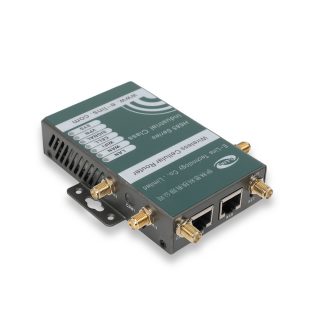
E-Lins’s H900 Gigabit Industrial 4G Router features triple-link backup architecture (cellular dual SIM, wired Ethernet, WiFi) specifically engineered for always-on connectivity requirements.
-
Laminated busbar is a connection bar with a multi-layer composite structure.
-
With over two decades of industrial communication expertise, E-Lins Technology remains committed to helping global customers build secure, stable, and cost-effective IoT connectivity infrastructures.

Reviews
There are no reviews yet.